Understanding Welding Defects: Causes, Types, and Solutions
What Are Welding Defects?
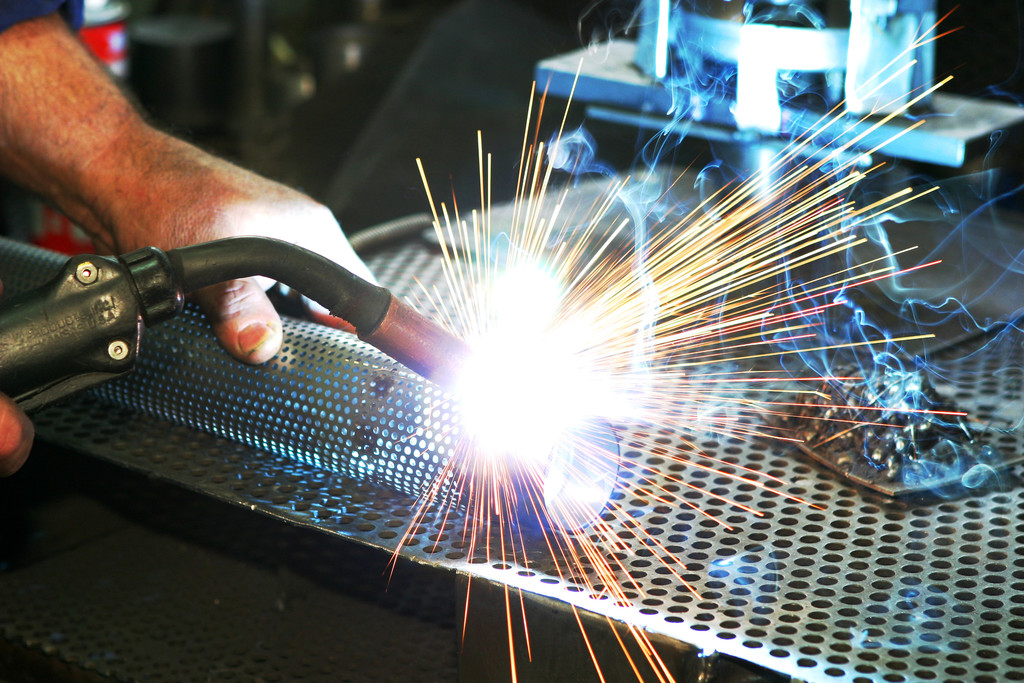
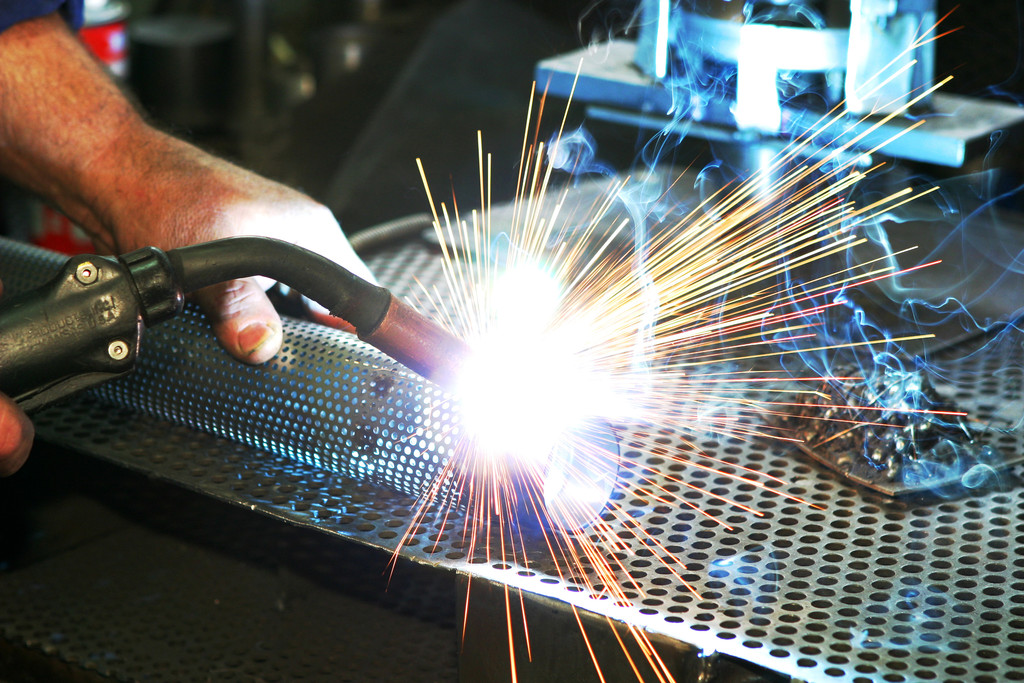
Welding defects are irregularities or imperfections that occur during the welding process, affecting the integrity and performance of the weld. These defects can arise due to improper techniques, material issues, or environmental factors.
Common Types of Welding Defects
Here are some of the most common welding defects, their causes, and their impact on product quality:
1. Porosity
Porosity refers to the presence of tiny gas pockets or voids within the weld. These pockets weaken the weld and make it susceptible to cracking.
Causes:
- Contaminated base materials or filler metals.
- Improper shielding gas coverage.
- High levels of moisture or oil on the surface.
Solutions:
- Clean materials thoroughly before welding.
- Ensure proper gas flow and coverage.
- Use dry electrodes and filler materials.
2. Cracks
Cracks are one of the most severe welding defects, as they can lead to catastrophic failure. They can occur in the weld metal, heat-affected zone (HAZ), or base material.
Causes:
- Rapid cooling of the weld.
- High stress during welding.
- Improper filler material selection.
Solutions:
- Preheat materials to reduce cooling rates.
- Use appropriate filler materials.
- Control welding parameters to minimize stress.
3. Incomplete Fusion
Incomplete fusion occurs when the weld metal does not properly bond with the base material or previous weld layers.
Causes:
- Insufficient heat input.
- Improper welding technique.
- Contaminated surfaces.
Solutions:
- Increase heat input to ensure proper melting.
- Use correct welding angles and techniques.
- Clean surfaces before welding.
4. Slag Inclusions
Slag inclusions are non-metallic particles trapped within the weld, reducing its strength and durability.
Causes:
- Improper cleaning between weld passes.
- Incorrect welding speed or angle.
- Use of low-quality electrodes.
Solutions:
- Clean the weld bead between passes.
- Adjust welding speed and angle.
- Use high-quality electrodes.
5. Undercut
An undercut is a groove or depression along the edges of the weld, weakening the joint.
Causes:
- Excessive heat input.
- Incorrect welding technique.
- High travel speed.
Solutions:
- Reduce heat input and travel speed.
- Use proper welding techniques.
- Ensure consistent electrode angle.
Impact of Welding Defects on Product Applications
Welding defects can significantly affect the performance and safety of products across various industries:
1. Automotive Industry
In the automotive sector, welding defects in components like chassis, exhaust systems, and engine parts can lead to structural failures, compromising vehicle safety and performance.
2. Construction Industry
In construction, defects in welded steel beams, pipelines, and bridges can result in catastrophic collapses, endangering lives and causing financial losses.
3. Aerospace Industry
In aerospace, even minor welding defects in aircraft components can lead to critical failures, posing significant risks to flight safety.
4. Manufacturing Industry
In manufacturing, defects in welded machinery parts can reduce efficiency, increase downtime, and lead to costly repairs.
Preventing Welding Defects: Best Practices
To ensure high-quality welds and prevent defects, follow these best practices:
1. Proper Material Preparation
Clean and prepare materials thoroughly before welding to remove contaminants like oil, rust, and moisture.
2. Use Correct Welding Techniques
Follow proper welding procedures, including appropriate heat input, travel speed, and electrode angle.
3. Select Suitable Filler Materials
Choose filler materials that match the base material’s properties and the welding application.
4. Monitor Welding Parameters
Control welding parameters like voltage, current, and shielding gas flow to ensure consistent weld quality.
5. Conduct Regular Inspections
Perform visual and non-destructive testing (NDT) to detect and address defects early in the welding process.
Conclusion
Welding defects can compromise the integrity and performance of products across various industries. By understanding the types, causes, and solutions for common welding defects, manufacturers can ensure high-quality welds that meet safety and performance standards. Implementing best practices and regular inspections is key to preventing defects and achieving reliable, durable welds.
Dongguan Sanlixin Plastic Technology Co.,Ltd
Shenzhen Sanlixin Technology Co., Ltd. and Dongguan Sanlixin Plastic Technology Co., Ltd. is a manufacturer integrating precision plastic mold design, mold opening, single (double) color injection molding, IML injection molding processing, producing various single (double) color, IML process high-end appearance decorative structural parts, two-color buttons, USB dust plugs, panels and other plastic products, providing customers with fast, excellent, Midea all-round service, the company has 15 years of experience in precision plastic mold design, processing and production, with a variety of advanced machine injection molding equipment with excellent quality and fast service to win the trust and strong support of our customers.
Silicone Casting: Molds, Techniques, and Application Guide
Comprehensive Guide to Plastics for CNC Machining