Mold Ejector Pin: Key Component in Injection Molding - Advantages, Disadvantages & Comprehensive Guide
Mold Ejector Pin: Key Component in Injection Molding - Advantages, Disadvantages & Comprehensive Guide
Table of Contents
- Introduction to Mold Ejector Pin
- Core Advantages of Mold Ejector Pins
- Inherent Disadvantages and Limitations
- General Specifications of Mold Ejector Pins (Parameter Table)
- Frequently Asked Questions (FAQs) About Mold Ejector Pins
- Conclusion
1. Introduction to Mold Ejector Pin
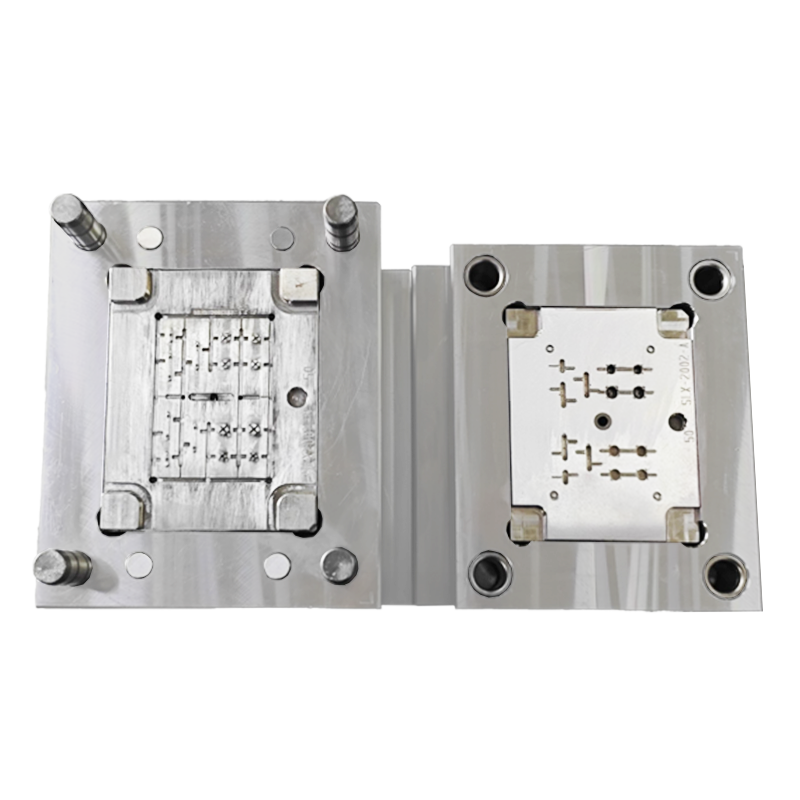
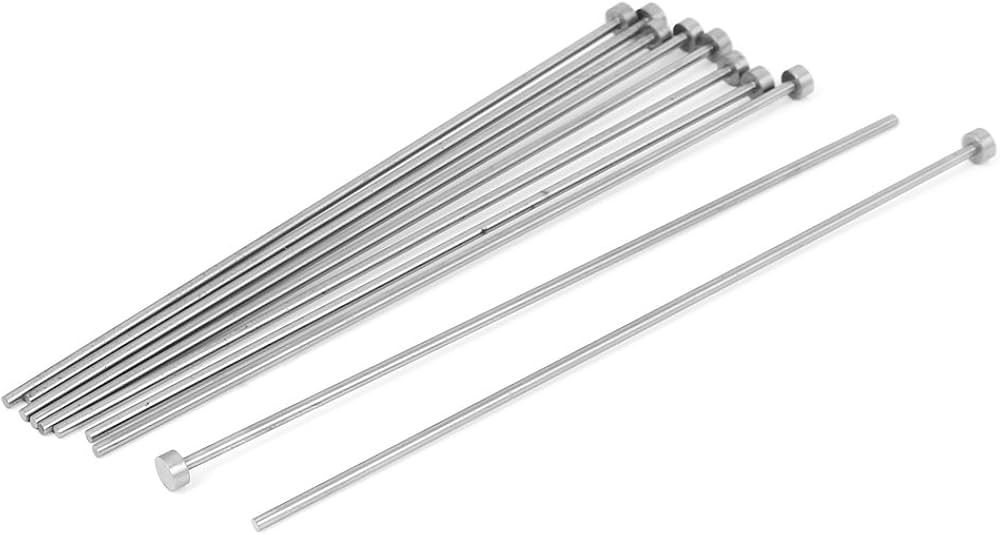
Mold ejector pins are critical components in injection molding systems, designed to eject finished plastic parts from the mold cavity after the molding process. As a fundamental element of mold hardware, they play a pivotal role in ensuring production efficiency, part quality, and mold longevity. Widely used in automotive, electronics, medical, and consumer goods manufacturing, these pins come in various materials, sizes, and designs to adapt to different molding requirements. This news report aims to provide a comprehensive overview of mold ejector pins, focusing on their core advantages, inherent limitations, technical parameters, and common industry questions.
2. Core Advantages of Mold Ejector Pins
2.1 High Efficiency in Part Ejection
One of the primary advantages of mold ejector pins is their ability to achieve fast and reliable part ejection. Engineered with precise dimensions and smooth surfaces, they minimize friction between the pin and the mold cavity, ensuring that plastic parts are released quickly without sticking. This efficiency directly boosts production throughput, allowing manufacturers to meet high-volume production targets with consistent cycle times.
2.2 Versatility Across Molding Applications
Mold ejector pins offer exceptional versatility, catering to a wide range of injection molding scenarios. They can be customized in terms of length, diameter, tip shape (e.g., flat, rounded, tapered), and material (e.g., H13 steel, SKD61, stainless steel) to suit different part geometries, plastic materials (such as PP, ABS, PC, nylon), and molding conditions (temperature, pressure). Whether for simple flat parts or complex curved components, there is a tailored ejector pin solution.
2.3 Cost-Effective and Easy to Maintain
Compared to alternative ejection systems (such as hydraulic ejectors or air cylinders), mold ejector pins are more cost-effective in terms of initial investment, manufacturing, and replacement. They have a simple structure with no complex mechanical or electronic components, reducing the risk of breakdowns. When wear, deformation, or damage occurs, individual pins can be easily removed and replaced without disassembling the entire mold, minimizing downtime and maintenance costs.
2.4 Ensures Part Quality and Integrity
High-quality mold ejector pins are precision-machined to ensure uniform force distribution during ejection. This prevents part deformation, warping, scratching, or damage to delicate features (such as ribs, bosses, or thin walls), maintaining the dimensional accuracy and surface finish of the molded parts. Additionally, smooth pin surfaces reduce the likelihood of plastic residue buildup, which can affect subsequent molding cycles and part quality.
3. Inherent Disadvantages and Limitations
3.1 Susceptible to Wear and Damage
Mold ejector pins operate under harsh conditions, including repeated contact with hot plastic (temperatures up to 300°C or higher), high pressure (often exceeding 100 MPa), and friction with the mold cavity. Over time, this leads to wear on the pin surface, tip deformation, or even bending/breakage, especially when used with abrasive plastic materials (e.g., filled plastics with glass fibers, carbon fibers) or in high-cycle production runs. Frequent replacement may be required for long-term use.
3.2 Limitations in Complex Part Designs
While versatile, mold ejector pins face challenges with extremely complex part designs. For parts with deep cavities, undercuts, or intricate internal structures, it may be difficult to position ejector pins effectively without interfering with the part’s features. In such cases, multiple pins or specialized ejector systems (e.g., ejector sleeves, lifters) may be needed, increasing mold complexity and cost. Improper pin placement can also result in uneven ejection force, leading to part damage.
3.3 Potential for Mold Damage if Misused
Incorrect selection or installation of mold ejector pins can cause damage to the mold itself. Using pins with improper dimensions (e.g., excessive length, incorrect diameter) may result in jamming, which can scratch the mold cavity surface or damage the mold base. Additionally, using low-quality or incompatible materials (e.g., pins with lower hardness than the mold) can lead to premature wear of both the pin and the mold, reducing the overall mold lifespan.
3.4 Limited Compatibility with Certain Plastic Materials
Some plastic materials pose specific challenges for mold ejector pins. For example, sticky or high-adhesion plastics (e.g., PVC, TPE, soft thermoplastics) can cause the part to adhere strongly to the pin, leading to ejection failures or part tearing. Abrasive plastics can accelerate pin wear, requiring the use of specialized wear-resistant materials (e.g., coated pins with TiN, CrN) which increase costs.
4. General Specifications of Mold Ejector Pins (Parameter Table)
| Professional Engineering Specification Table | |||
| Applicable Mold Size | 15~45 | 45~60 | 60+ |
| ∅d | 1, 1.5, 2, 2.5, 3 | 3.5, 4, 4.5, 5, 5.5, 6, 6.5, 7 | 8, 9, 10, 12, 16 |
| ∅D | 3, 4, 5, 6, 7 | 8, 9, 10, 11 | 13, 14, 15, 17, 21 |
| ∅h | 4 | 6 | 8 |
| L | (Merged Cell) Minimum value is set at 100; increments by 50 when exceeding 100 | ||
5. Frequently Asked Questions (FAQs) About Mold Ejector Pins
5.1 What factors should be considered when selecting a mold ejector pin?
When selecting a mold ejector pin, key factors include: the plastic material (abrasiveness, adhesion, melting point), part geometry (size, shape, thickness, presence of undercuts), molding conditions (temperature, pressure, cycle time), mold design (cavity layout, ejection stroke), and required part quality (dimensional accuracy, surface finish). Additionally, material hardness, surface finish, and compatibility with the mold material should be evaluated to ensure durability and performance.
5.2 How often should mold ejector pins be replaced?
The replacement frequency depends on several factors, including production volume (cycle count), plastic material type (abrasive materials wear pins faster), molding conditions (high temperature/pressure accelerates wear), and pin quality. In general, standard ejector pins used in medium-volume production with non-abrasive plastics can last 100,000 - 500,000 cycles. For high-volume production or abrasive materials, replacement may be needed every 50,000 - 200,000 cycles. Regular inspection (for wear, deformation, or damage) is recommended to avoid unexpected failures.
5.3 Can mold ejector pins be customized?
Yes, mold ejector pins can be fully customized to meet specific application requirements. Customization options include: non-standard diameters and lengths, specialized tip shapes (to match part features), custom materials (for high temperature, corrosion resistance, or wear resistance), surface coatings (to reduce friction or improve wear resistance), and even unique designs (e.g., hollow pins for cooling, stepped pins for complex parts). Most manufacturers offer custom machining services based on 2D/3D drawings provided by the customer.
5.4 How to prevent ejector pin sticking or jamming?
To prevent ejector pin sticking or jamming, follow these measures: 1) Select pins with appropriate surface finish (polished or coated) to reduce friction; 2) Use mold release agents (sparingly) to minimize adhesion between the pin and plastic; 3) Ensure proper lubrication of the pin and guide bushings (use high-temperature lubricants compatible with plastic materials); 4) Maintain consistent molding temperatures to avoid plastic overheating or cooling unevenly; 5) Regularly clean the pin and mold cavity to remove plastic residue or debris; 6) Ensure correct pin installation (no misalignment or excessive tightness).
5.5 What are the common signs of ejector pin failure?
Common signs of ejector pin failure include: 1) Difficulty ejecting parts (parts sticking in the mold); 2) Part deformation, warping, or surface scratches/marks; 3) Visible wear, bending, or breakage of the pin; 4) Uneven ejection force (leading to part damage or mold imbalance); 5) Increased cycle time due to ejection issues; 6) Abnormal noises (e.g., scraping, clicking) during the ejection process. If any of these signs are observed, the pins should be inspected and replaced immediately to avoid further damage to the mold or parts.
6. Conclusion
Mold ejector pins are indispensable components in injection molding, offering high efficiency, versatility, cost-effectiveness, and part quality assurance. However, they also face inherent limitations such as wear susceptibility, design constraints for complex parts, and potential mold damage if misused. By understanding their advantages and disadvantages, selecting the right specifications (as outlined in the parameter table), and addressing common issues through proper maintenance and usage, manufacturers can maximize the performance and lifespan of mold ejector pins, ensuring smooth and efficient production processes. As injection molding technology advances, ongoing innovations in material science and manufacturing processes are expected to further enhance the durability, versatility, and performance of mold ejector pins, meeting the evolving needs of the industry.

Dongguan Sanlixin Plastic Technology Co.,Ltd
Shenzhen Sanlixin Technology Co., Ltd. and Dongguan Sanlixin Plastic Technology Co., Ltd. is a manufacturer integrating precision plastic mold design, mold opening, single (double) color injection molding, IML injection molding processing, producing various single (double) color, IML process high-end appearance decorative structural parts, two-color buttons, USB dust plugs, panels and other plastic products, providing customers with fast, excellent, Midea all-round service, the company has 15 years of experience in precision plastic mold design, processing and production, with a variety of advanced machine injection molding equipment with excellent quality and fast service to win the trust and strong support of our customers.
Mold Slanted Ejectors: Innovative Solutions for Undercut Parts - Advantages, Limitations, and Expert Guides
Lego Toys: The Pinnacle of Injection Molding Excellence and Why It Stands Out