Advantages and Disadvantages of Plastics
Advantages and Disadvantages of Plastics
Introduction to Plastics
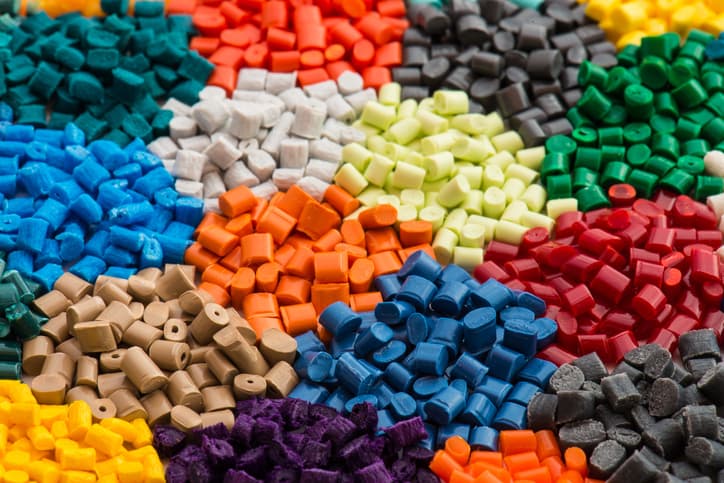
Plastics are synthetic materials made from polymers, which are long chains of molecules. They have become an integral part of modern life due to their versatility, durability, and cost-effectiveness. However, like any material, plastics come with their own set of advantages and disadvantages. Understanding these can help in making informed decisions about their use and management.
Advantages of Plastics
Plastics offer numerous benefits that make them a preferred choice in various applications. Below are the key advantages:
1. Versatility
Plastics can be molded into a wide range of shapes and sizes, making them suitable for diverse applications, from packaging to automotive parts.
2. Lightweight
Plastics are much lighter than metals and other materials, which makes them ideal for applications where weight is a critical factor, such as in the automotive and aerospace industries.
3. Durability
Plastics are resistant to corrosion, chemicals, and environmental factors, making them durable and long-lasting.
4. Cost-Effectiveness
Plastics are generally cheaper to produce and process compared to metals and other materials, making them cost-effective for large-scale production.
5. Insulation Properties
Plastics have excellent electrical and thermal insulation properties, making them ideal for use in electrical and electronic applications.
6. Ease of Manufacturing
Plastics can be easily manufactured using various processes such as injection molding, extrusion, and blow molding, allowing for high-volume production with consistent quality.
7. Recyclability
Many types of plastics can be recycled, reducing waste and promoting sustainability. Advances in recycling technologies are continually improving the efficiency of plastic recycling.
Disadvantages of Plastics
Despite their many advantages, plastics also have several drawbacks that need to be considered:
1. Environmental Impact
Plastics are non-biodegradable and can persist in the environment for hundreds of years, contributing to pollution and harming wildlife.
2. Health Concerns
Certain plastics contain harmful chemicals like BPA and phthalates, which can leach into food and beverages, posing health risks.
3. Limited Heat Resistance
Plastics generally have lower heat resistance compared to metals, limiting their use in high-temperature applications.
4. Degradation Over Time
Plastics can degrade when exposed to UV light and other environmental factors, leading to brittleness and loss of mechanical properties.
5. Recycling Challenges
Not all plastics are easily recyclable, and the recycling process can be complex and costly. Contamination and mixed plastics further complicate recycling efforts.
6. Resource Depletion
Plastics are derived from petroleum, a non-renewable resource. The production of plastics contributes to the depletion of fossil fuels and increases carbon emissions.
7. Microplastics Pollution
Microplastics, tiny plastic particles, have become a significant environmental concern, contaminating water bodies and entering the food chain.
Conclusion
Plastics offer numerous advantages, including versatility, lightweight, durability, and cost-effectiveness, making them indispensable in modern life. However, their environmental impact, health concerns, and recycling challenges cannot be overlooked. By understanding the advantages and disadvantages of plastics, we can make more informed choices about their use, promote sustainable practices, and develop innovative solutions to mitigate their drawbacks.
Why is Plastic So Widely Used?
How to save on plastic profiles production?