Why Two Colour Injection Moulding Is a Game-Changer for Modern Manufacturing
Two colour injection moulding creates parts with two hues in one cycle, ideal for vibrant, functional designs in electronics and automotive.
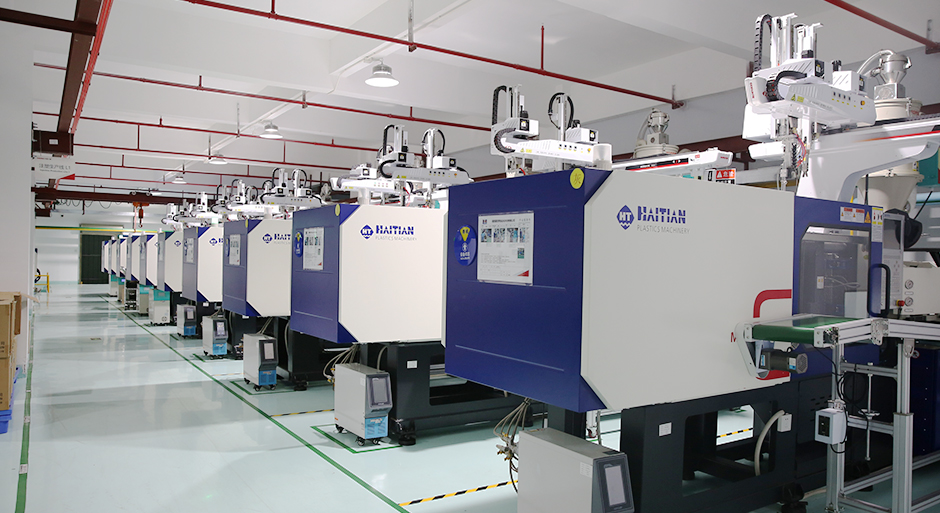
Table of Contents
Introduction: The Evolution of Injection Moulding in Modern Production
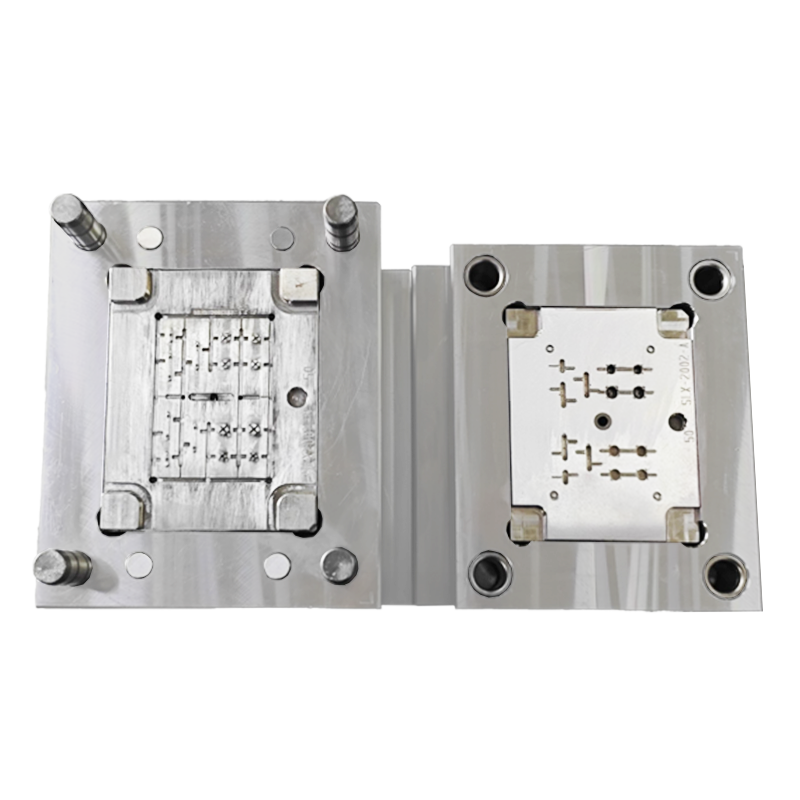
What Is Two Colour Injection Moulding? A Comprehensive Definition
Two Colour vs. Standard Injection Moulding: Core Differences Explored
The Mechanics of Two Colour Injection Moulding: How It Works
Materials Used in Two Colour Injection Moulding: Compatibility and Selection
- Rigid + Rigid Plastics: This includes combinations like ABS + ABS (different colours), polypropylene (PP) + PP, or ABS + polycarbonate (PC). These combinations are popular for parts where colour contrast is key, such as automotive interior components or electronic device housings.
- Rigid + Flexible Plastics: One of the most versatile combinations is a rigid plastic (like PP or ABS) paired with a thermoplastic elastomer (TPE) or thermoplastic polyurethane (TPU). This is ideal for products that need both structural support and flexibility, such as tool handles, bottle caps with gaskets, and child safety products.
- Transparent + Opaque Plastics: Combinations like PC + ABS or PET + PP are used to create parts with transparent windows, such as instrument panels, cosmetic containers, or toy components.
- Chemical Bonding: Some plastics have similar chemical structures, allowing them to bond at the molecular level when melted together. For example, ABS and PC are chemically compatible, forming a strong bond without the need for additional adhesives.
- Mechanical Bonding: When materials are not chemically compatible, the mould is designed with mechanical features—such as grooves, undercuts, or ridges—that allow the second material to lock into the first. This is common with combinations like PP and TPE, where the TPE flows into small channels in the PP to create a secure fit.
- Functionality: The materials must meet the product’s performance requirements, such as heat resistance (for kitchen tools), impact resistance (for toys), or flexibility (for grips).
- Aesthetics: Colour matching, texture, and finish are critical for consumer products. Materials must be able to hold colour evenly and maintain their appearance over time.
- Processing Conditions: Different plastics have different melting temperatures and flow rates. The two materials must be processable at similar temperatures to ensure they bond correctly during injection.
- Cost: While some high-performance materials offer superior properties, they may increase production costs. Manufacturers often balance performance and cost to meet budget constraints.
Advantages of Two Colour Injection Moulding in Manufacturing
Two Colour Injection Moulding in Daily Essentials: Real-World Applications
- Toothbrushes: The handle of a toothbrush is often made with a rigid plastic, while the grip is a softer, coloured TPE. Two colour injection moulding creates a seamless transition, ensuring the grip doesn’t peel off with use.
- Soap Dispensers: Many soap dispensers feature a transparent body (to see the soap level) and an opaque, coloured pump. Two colour moulding combines these elements in one part, making the dispenser both functional and attractive.
- Utensils: Spatulas, ladles, and tongs often have rigid plastic handles with soft, heat-resistant grips. Two colour injection moulding bonds these materials, creating a tool that’s comfortable to hold and durable enough for daily use.
- Food Containers: Containers with leak-proof lids frequently use two colour moulding to integrate a rigid lid base with a flexible silicone seal, ensuring a tight fit that keeps food fresh.
- Smartphone Cases: Cases with colourful designs or contrasting edges are often made using two colour injection moulding. The rigid outer shell protects the phone, while a softer inner layer absorbs shocks.
- Remote Controls: Buttons on remote controls are often a different colour than the body, making them easier to identify. Two colour moulding ensures the buttons are durable and won’t fade with repeated use.
- Children’s Cups and Plates: Sippy cups with hard plastic bodies and soft, spill-proof spouts are made using two colour injection moulding. This combination is safe for kids and easy to clean.
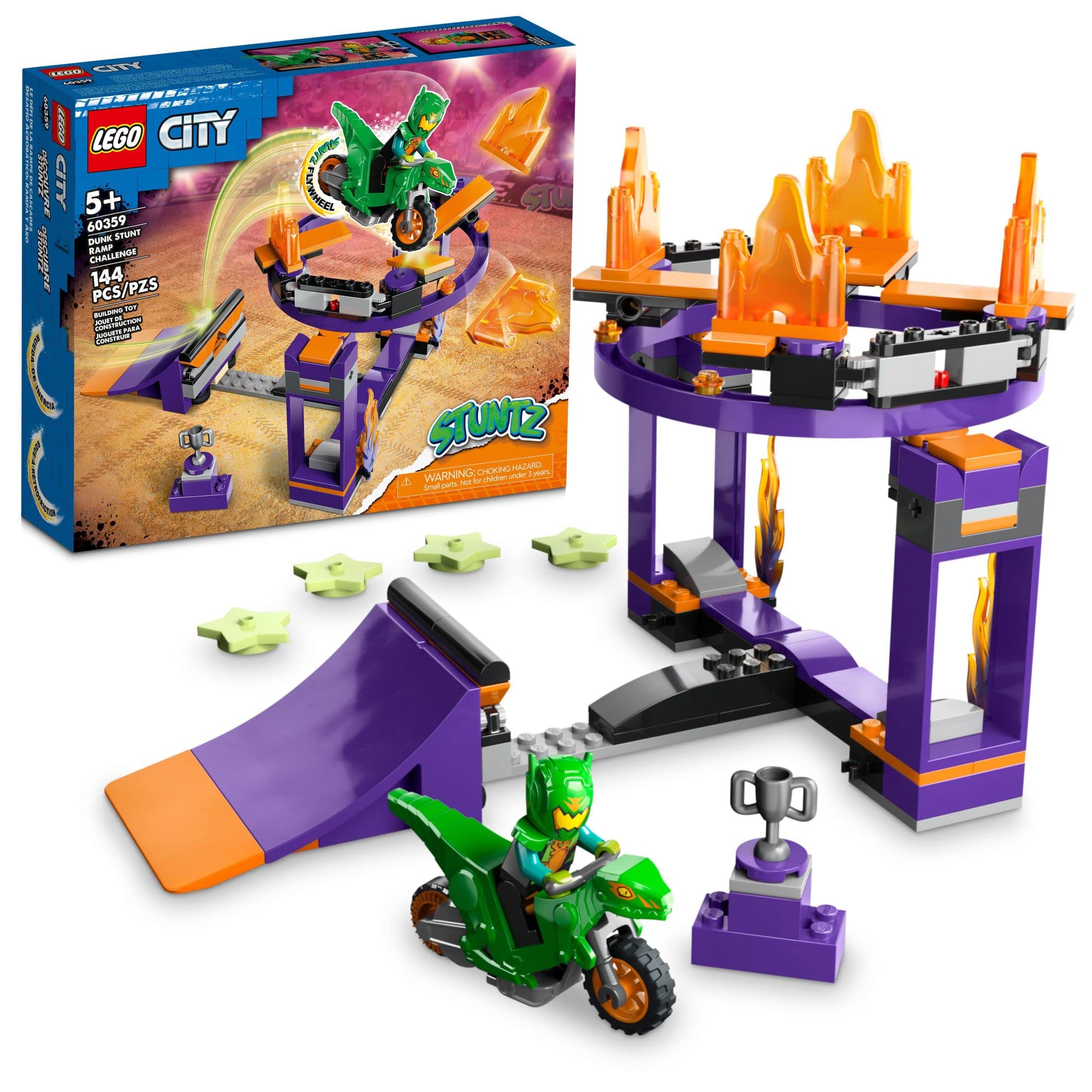
- Action Figures: Many action figures have multiple colours or flexible limbs (made from TPE) attached to rigid bodies. Two colour moulding creates these features in one step, making the toys more durable and less likely to break.
- Interior Panels: Car dashboards and door panels often feature two or more colours or materials, such as a hard plastic base with a soft, padded armrest. Two colour injection moulding creates a cohesive look with no visible seams.
- Buttons and Switches: Controls for windows, lights, and climate systems in cars use two colour moulding to differentiate functions with colour, ensuring they’re easy to use while driving.
Enhancing Aesthetics and Functionality: The Dual Impact
- Vibrant Colour Contrasts: Products like toothbrushes, toys, and kitchen tools use bold colour combinations to attract attention. For example, a red and white coffee mug stands out on a shelf, making it more appealing to consumers.
- Embedded Logos and Patterns: Logos or decorative patterns can be moulded directly into the part, ensuring they don’t fade, peel, or wear off. This is common in branded products like sports equipment or electronic accessories.
- Smooth Transitions: Unlike painted or assembled parts, two colour moulded parts have seamless transitions between colours or materials, giving them a high-quality, premium look. A smartphone case with a coloured edge that blends smoothly into a clear back is more visually pleasing than one with a glued-on edge.
- Grip and Comfort: Tools, utensils, and fitness equipment often use a rigid core with a soft, textured grip. This makes them easier to hold and reduces hand fatigue. For example, a screwdriver with a TPE grip is more comfortable to use than one made entirely of hard plastic.
- Sealing and Insulation: Products that need to be leak-proof or insulated, such as water bottles or food containers, benefit from combining rigid plastics with flexible

Dongguan Sanlixin Plastic Technology Co.,Ltd
Shenzhen Sanlixin Technology Co., Ltd. and Dongguan Sanlixin Plastic Technology Co., Ltd. is a manufacturer integrating precision plastic mold design, mold opening, single (double) color injection molding, IML injection molding processing, producing various single (double) color, IML process high-end appearance decorative structural parts, two-color buttons, USB dust plugs, panels and other plastic products, providing customers with fast, excellent, Midea all-round service, the company has 15 years of experience in precision plastic mold design, processing and production, with a variety of advanced machine injection molding equipment with excellent quality and fast service to win the trust and strong support of our customers.
The Evolution of Plastic Part Manufacturing: From Injection Molding to 3D Printing Breakthroughs
Stretch Blow Molding: The Secret Behind Durable, Clear Plastic Containers