Common Quality Problems in Two-Color Injection Molded Products
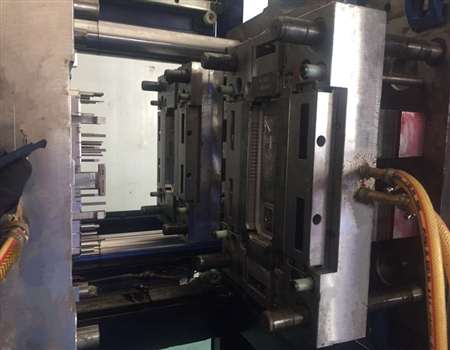
Understanding Two-Color Molding Challenges
Two-color injection molding, while offering significant design advantages, presents unique quality control challenges. Manufacturers often encounter specific defects that can affect product functionality, aesthetics, and durability.
Major Quality Issues and Their Causes
1. Material Bonding Failures
- Poor intermaterial adhesion: When the two materials don't properly fuse
- Causes: Incorrect material pairing, insufficient melt temperatures, or improper timing between injections
- Impact: Delamination or weak structural integrity
2. Color Bleeding and Contamination
- Unwanted material mixing: Where colors or materials migrate into each other
- Causes: Improper gate positioning, excessive injection pressure, or incompatible material viscosities
- Impact: Compromised aesthetic quality and potential functional issues
3. Sink Marks and Warpage
- Surface imperfections: Dents or distortions in the final product
- Causes: Uneven cooling between materials with different shrinkage rates
- Impact: Dimensional inaccuracies and poor cosmetic appearance
4. Short Shots and Incomplete Filling
- Partial mold filling: Especially in complex geometries
- Causes: Improper venting, incorrect flow paths, or material temperature issues
- Impact: Non-functional parts and increased scrap rates
5. Gate Vestiges and Flow Lines
- Visible injection points: And material flow patterns
- Causes: Suboptimal gate design or incompatible flow characteristics between materials
- Impact: Cosmetic defects requiring secondary operations
Solutions and Prevention Methods
Material Selection Strategies
- Choose compatible materials with similar processing temperatures
- Verify chemical bonding compatibility before production
- Consider material shrinkage rates to prevent warpage
Process Optimization Techniques
- Precise control of injection timing between colors
- Optimized temperature profiles for both materials
- Proper venting system design to prevent air traps
Mold Design Considerations
- Strategic gate placement to control material flow
- Proper cooling channel design for uniform solidification
- Accurate alignment systems for mold halves
Industry-Specific Quality Requirements
Automotive Components
Demand perfect color separation and dimensional stability for interior trim parts
Consumer Electronics
Require flawless surface finishes for buttons and interface elements
Medical Devices
Need absolute material bonding reliability for safety-critical applications
Conclusion: Achieving Two-Color Molding Excellence
While two-color injection molding presents unique quality challenges, understanding these common issues enables manufacturers to implement preventive measures. Through careful material selection, process optimization, and precision mold design, producers can consistently achieve high-quality dual-material products that meet even the most demanding specifications.
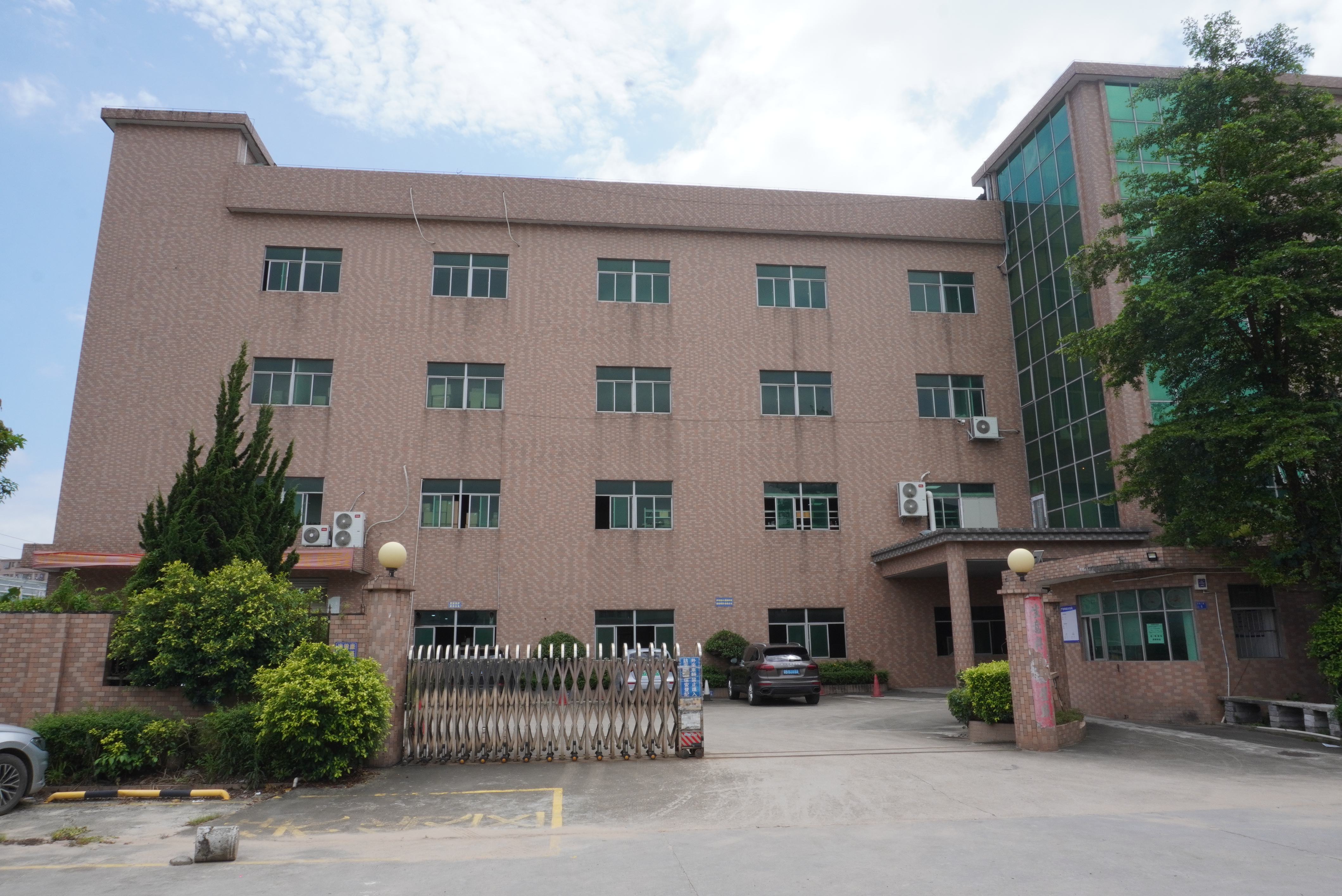
Dongguan Sanlixin Plastic Technology Co.,Ltd
Shenzhen Sanlixin Technology Co., Ltd. and Dongguan Sanlixin Plastic Technology Co., Ltd. is a manufacturer integrating precision plastic mold design, mold opening, single (double) color injection molding, IML injection molding processing, producing various single (double) color, IML process high-end appearance decorative structural parts, two-color buttons, USB dust plugs, panels and other plastic products, providing customers with fast, excellent, Midea all-round service, the company has 15 years of experience in precision plastic mold design, processing and production, with a variety of advanced machine injection molding equipment with excellent quality and fast service to win the trust and strong support of our customers.
Common Quality Problems in Two-Color Injection Molded Products
Why an Exhaust System is Essential in Injection Molds