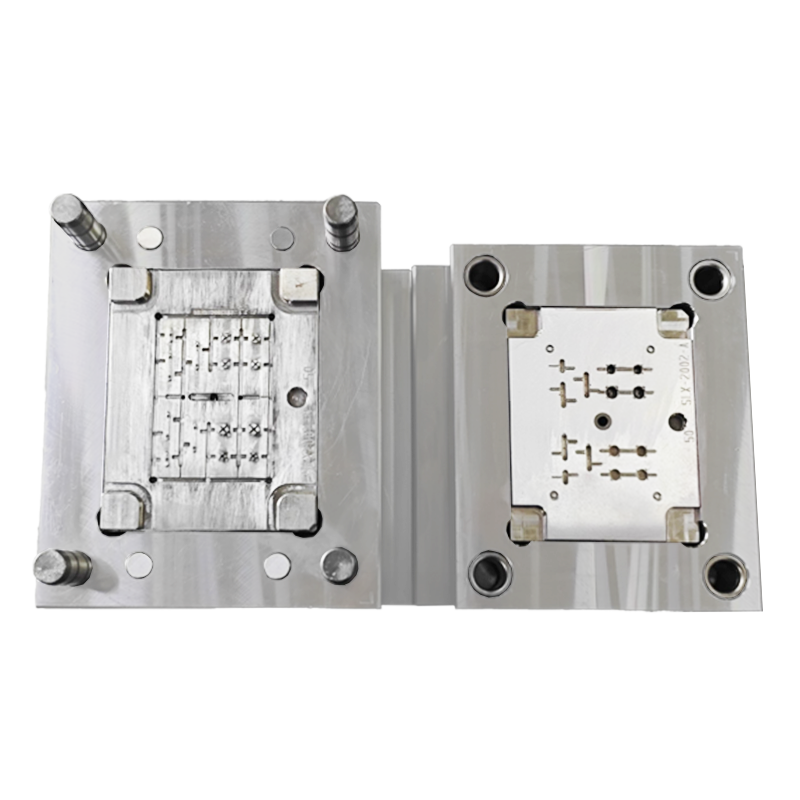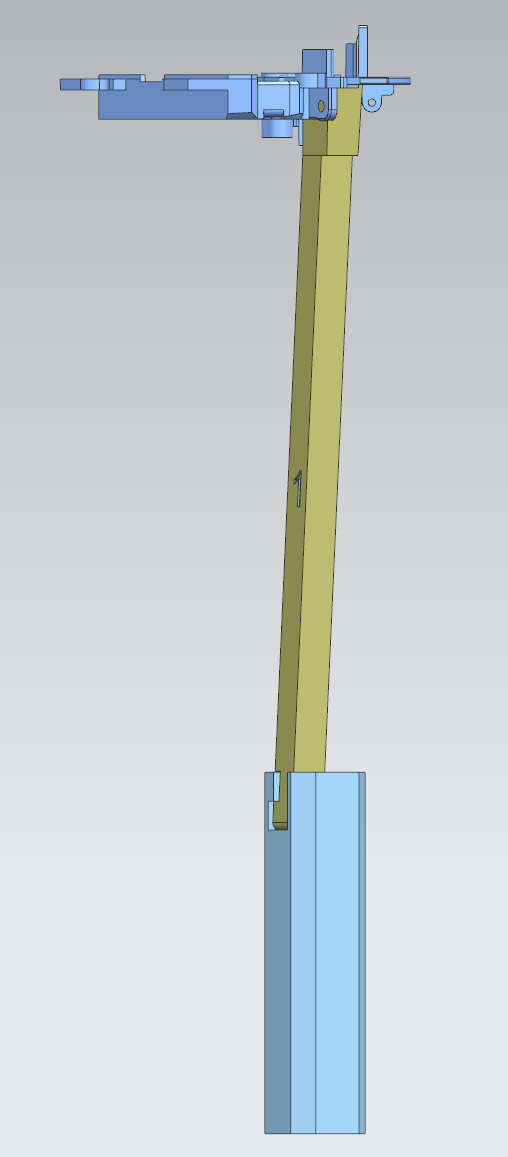
Common Quality Problems in Two-Color Injection Molded Products
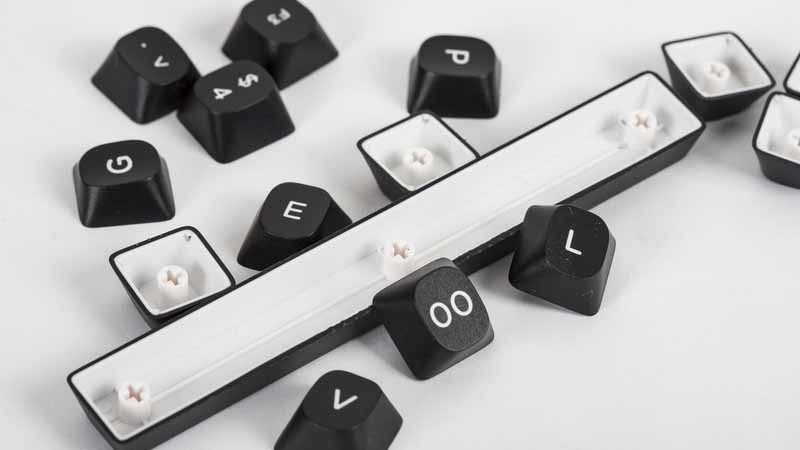
Processability in injection molding refers to how effectively raw plastic material can be transformed into finished products through the injection molding cycle. It encompasses all factors that influence production efficiency, part quality, and manufacturing consistency.
Key Factors Affecting Processability
Material Properties
-
Melt Flow Index (MFI): Determines viscosity and flow characteristics
-
Thermal Properties: Includes melting point and heat resistance
-
Shrinkage Rate: Affects dimensional accuracy
-
Additives: Impact flow behavior and final properties
Part Design Considerations
-
Wall Thickness: Uniformity prevents defects
-
Rib Design: Must balance strength and moldability
-
Draft Angles: Essential for part ejection
-
Corner Radii: Improve material flow
Mold Design Elements
-
Gate System: Controls material entry
-
Cooling Channels: Affect cycle time and quality
-
Venting: Prevents air traps
-
Surface Finish: Influences part appearance
Common Processability Challenges
Flow-Related Issues
-
Short shots (incomplete filling)
-
Flow marks and weld lines
-
Jetting (turbulent flow patterns)
Cooling Problems
-
Warpage and dimensional instability
-
Sink marks in thick sections
-
Internal stresses
Surface Defects
-
Flow lines
-
Gate blush
-
Splay marks
Process Optimization Techniques
Parameter Adjustment
-
Melt temperature optimization
-
Injection speed/pressure profiling
-
Packing pressure and time
Advanced Methods
-
Scientific molding approaches
-
Mold flow simulation software
-
Real-time process monitoring
Material-Specific Guidelines
Common Thermoplastics
| Material | Processing Temp (°C) | Shrinkage (%) | Key Considerations |
|---|---|---|---|
| ABS | 210-250 | 0.4-0.7 | Good balance of properties |
| PP | 200-260 | 1.0-2.5 | High shrinkage, flexible |
| PC | 280-320 | 0.6-0.8 | Needs drying, high temp |
| Nylon | 260-290 | 0.5-1.5 | Hygroscopic, fast cycling |
Quality Control Measures
Process Monitoring
-
Cavity pressure sensors
-
Melt temperature verification
-
Cycle time consistency checks
Testing Protocols
-
Dimensional inspections
-
Mechanical property testing
-
Visual quality standards
Conclusion
Achieving optimal processability requires careful consideration of material properties, part design, mold engineering, and processing parameters. By systematically addressing each factor, manufacturers can produce high-quality injection molded products with maximum efficiency and minimal defects. Continuous process monitoring and data analysis further enhance processability over time.
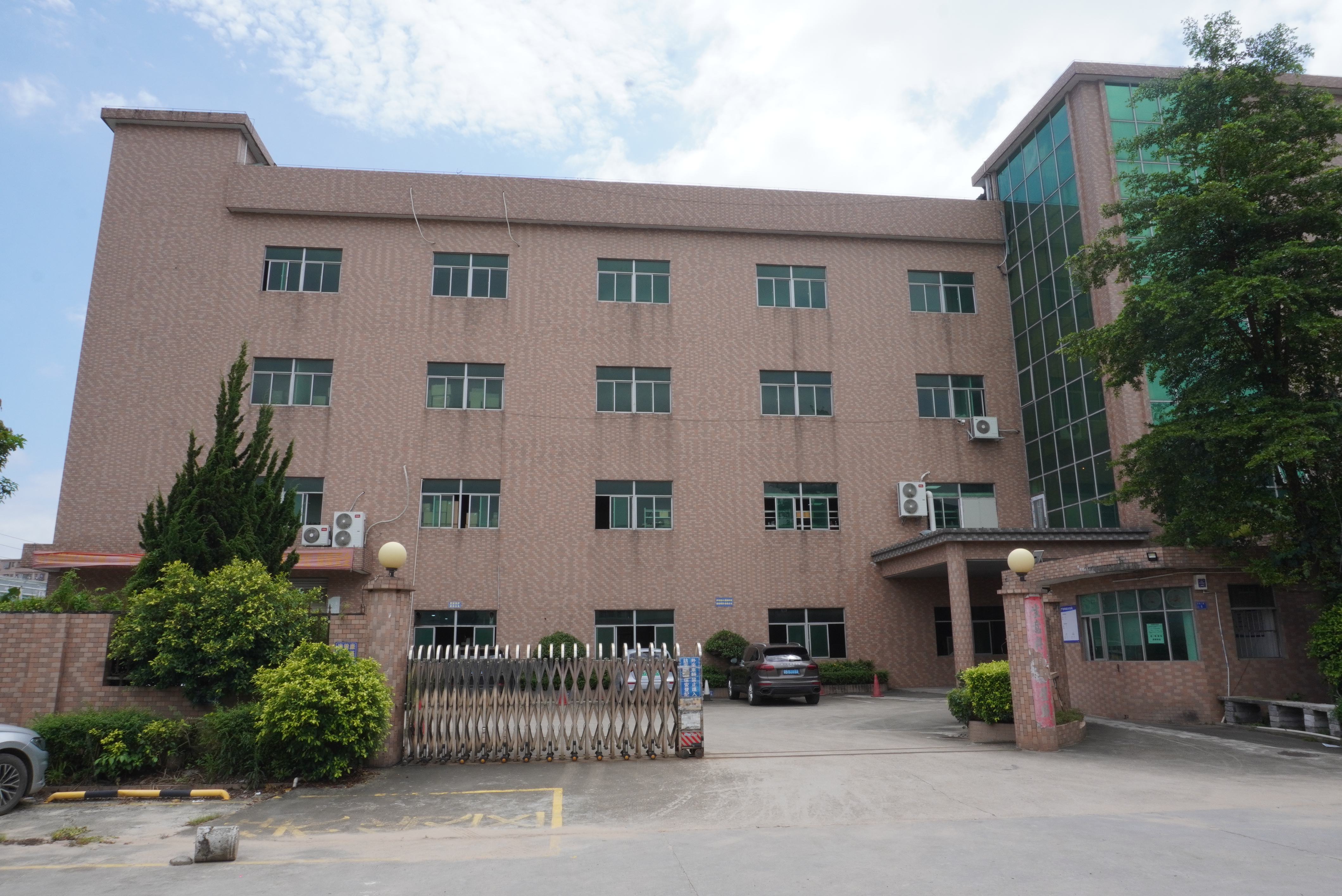
Dongguan Sanlixin Plastic Technology Co.,Ltd
Shenzhen Sanlixin Technology Co., Ltd. and Dongguan Sanlixin Plastic Technology Co., Ltd. is a manufacturer integrating precision plastic mold design, mold opening, single (double) color injection molding, IML injection molding processing, producing various single (double) color, IML process high-end appearance decorative structural parts, two-color buttons, USB dust plugs, panels and other plastic products, providing customers with fast, excellent, Midea all-round service, the company has 15 years of experience in precision plastic mold design, processing and production, with a variety of advanced machine injection molding equipment with excellent quality and fast service to win the trust and strong support of our customers.
Comprehensive Verification Process for Plastic Mold Design After Completion
Common Quality Problems in Two-Color Injection Molded Products