Is Thermoforming Better Than Injection Molding?
Introduction
Thermoforming and injection molding are two prominent manufacturing processes used in the plastics industry. Each method has its own set of advantages and limitations, making them suitable for different applications. Whether thermoforming is better than injection molding depends on various factors, including the specific requirements of the project, such as production volume, part complexity, material choice, and cost considerations.

Key Differences Between Thermoforming and Injection Molding
To determine which process is better suited for a particular application, it's essential to understand the fundamental differences between thermoforming and injection molding:
1. Process Mechanics
- Thermoforming: Involves heating a plastic sheet until it becomes pliable, then forming it over a mold using vacuum, pressure, or mechanical force. The formed part is then trimmed to the final shape.
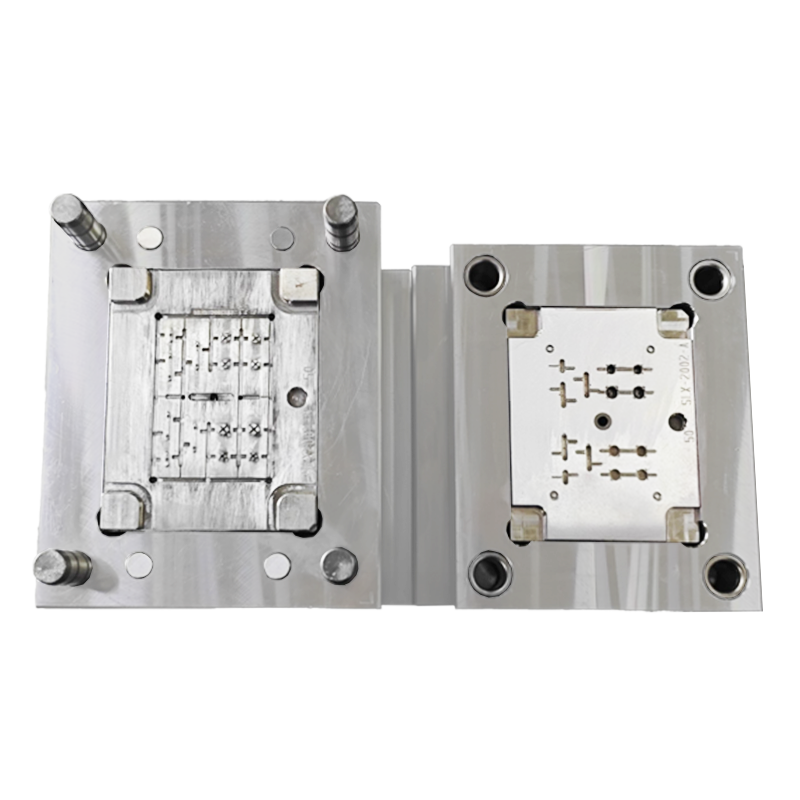
- Injection Molding: Involves melting plastic pellets and injecting the molten material into a closed mold under high pressure. The material cools and solidifies to form the final part.
2. Material Usage
- Thermoforming: Typically uses thermoplastic sheets, which are heated and formed. Common materials include ABS, PVC, and PET.
- Injection Molding: Can use a wide range of thermoplastic and thermosetting materials, including engineering plastics and high-performance polymers.
3. Production Volume
- Thermoforming: Generally more cost-effective for low to medium production volumes. Ideal for prototyping and short runs.
- Injection Molding: More suitable for high-volume production due to faster cycle times and lower per-unit costs at scale.
4. Part Complexity and Detail
- Thermoforming: Better suited for simpler, larger parts with less intricate detail. Limited by the depth of draw and the ability to form complex geometries.
- Injection Molding: Capable of producing highly complex and detailed parts with tight tolerances. Suitable for intricate designs and multi-cavity molds.
5. Tooling Costs
- Thermoforming: Lower initial tooling costs, making it more economical for small production runs and prototypes.
- Injection Molding: Higher initial tooling costs due to the need for precision molds, but cost-effective for large production volumes.
Advantages of Thermoforming
Thermoforming offers several benefits that make it a preferred choice for certain applications:
1. Cost-Effectiveness for Low Volumes
Thermoforming is generally more economical for low to medium production volumes due to lower tooling and setup costs.
2. Large Part Production
Thermoforming is well-suited for producing large parts, such as automotive panels, bathtubs, and appliance housings.
3. Material Efficiency
Thermoforming can be more material-efficient for certain applications, as it uses pre-measured sheets, reducing waste.
4. Shorter Lead Times
Lower tooling costs and simpler setup processes result in shorter lead times, making thermoforming ideal for rapid prototyping and quick turnaround projects.
Advantages of Injection Molding
Injection molding also offers several advantages that make it suitable for different applications:
1. High Precision and Detail
Injection molding can produce highly detailed and complex parts with tight tolerances, making it ideal for intricate designs.
2. High Production Speed
Injection molding has faster cycle times, especially for high-volume production, resulting in lower per-unit costs at scale.
3. Material Versatility
Injection molding supports a wide range of materials, including engineering plastics and high-performance polymers, offering greater flexibility in material choice.
4. Consistency and Repeatability
Injection molding provides excellent consistency and repeatability, ensuring high-quality parts with minimal variation.
Conclusion
Whether thermoforming is better than injection molding depends on the specific requirements of the project. Thermoforming is more cost-effective for low to medium production volumes, large parts, and rapid prototyping. In contrast, injection molding excels in high-volume production, complex and detailed parts, and material versatility. By understanding the strengths and limitations of each process, manufacturers can make informed decisions to optimize their production processes and achieve the best results for their products.
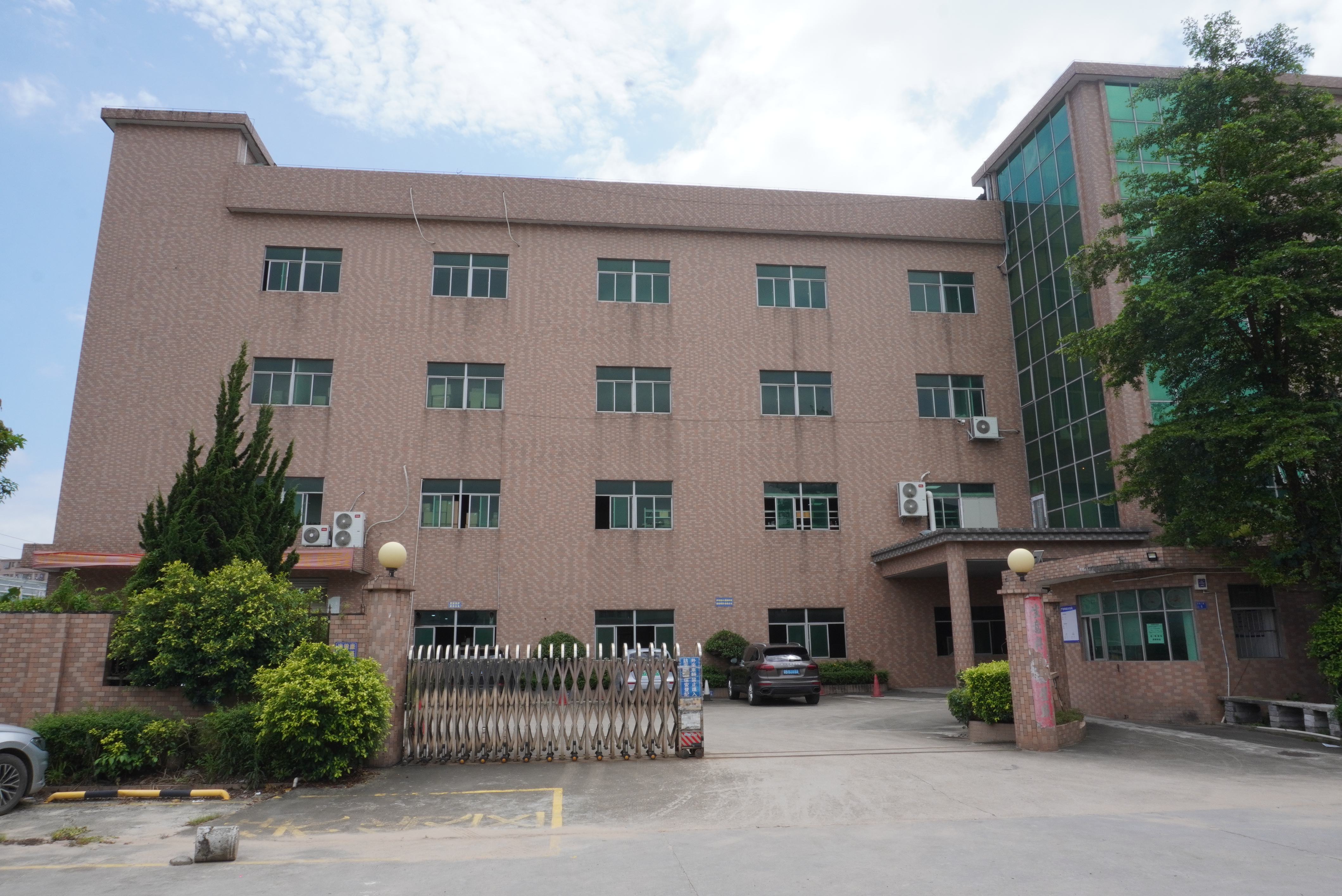
Dongguan Sanlixin Plastic Technology Co.,Ltd
Shenzhen Sanlixin Technology Co., Ltd. and Dongguan Sanlixin Plastic Technology Co., Ltd. is a manufacturer integrating precision plastic mold design, mold opening, single (double) color injection molding, IML injection molding processing, producing various single (double) color, IML process high-end appearance decorative structural parts, two-color buttons, USB dust plugs, panels and other plastic products, providing customers with fast, excellent, Midea all-round service, the company has 15 years of experience in precision plastic mold design, processing and production, with a variety of advanced machine injection molding equipment with excellent quality and fast service to win the trust and strong support of our customers.
Injection Molding: A Comprehensive Guide to Single Cavity vs. Multi-Cavity Molds
What Are the Three Major Differences Between Compression Molding and Injection Molding