From aerospace to everyday items, why has thermal spray become the "all-rounder" in the coating industry?
Thermal spray heats materials (metal/ceramic/polymer) into molten/semi-molten state, sprays them onto substrates for protective/functional coatings, enhancing durability and insulation in industries like aerospace and automotive.
Thermal Spray Technology: A Versatile Solution in Surface Engineering
Table of Contents
- Overview of Thermal Spray Technology
-
- Process Introduction
- Common Types of Thermal Spray in the Market
-
- Flame Spray
-
- Arc Spray
-
- Plasma Spray
-
- High-Velocity Oxygen-Fuel (HVOF) Spray
- Application Scope of Thermal Spray Technology
- Characteristics of Thermal Spray Technology
- Thermal Spray Process Flow
1. Overview of Thermal Spray Technology
(一) Process Introduction
2. Common Types of Thermal Spray in the Market
(一) Flame Spray
(二) Arc Spray
(三) Plasma Spray
(四) High-Velocity Oxygen-Fuel (HVOF) Spray
3. Application Scope of Thermal Spray Technology
- Aerospace Industry: Prepares high-temperature-resistant coatings for aircraft engine blades and anti-corrosion coatings for airframe structures, enhancing component performance and reliability in harsh high-temperature, high-pressure environments.
- Automotive Manufacturing: Sprays engine blocks, piston rings, valves, and other parts to improve wear and corrosion resistance, extending engine life; also used for anti-corrosion coatings on vehicle chassis.
- Electronics and Electrical Industry: Deposits insulating, conductive, or heat-dissipating coatings on electronic components to meet functional requirements, such as insulating coatings for PCBs and heat-dissipating coatings for heat sinks.
- Energy and Power Industry: Applies wear- and corrosion-resistant coatings to boiler pipes, steam turbine blades, and other equipment in thermal power plants, improving their service life in high-temperature, high-pressure, and high-dust environments; also crucial for surface anti-corrosion treatment of wind power equipment in the new energy sector.
- Medical Device Industry: Sprays biocompatible coatings (e.g., hydroxyapatite) on medical implants to promote bone cell growth and improve implant compatibility and stability.
- Mechanical Manufacturing: Repairs worn mechanical parts (e.g., shafts, gears, bearings), restoring their dimensions and performance, reducing maintenance costs, and minimizing part replacement frequency.
4. Characteristics of Thermal Spray Technology
(一) Enhanced Surface Performance
(二) Wide Material Selection
(三) Controllable Coating Thickness
(四) Process Flexibility
(五) Cost-Effectiveness
5. Thermal Spray Process Flow
(一) Substrate Preparation
- Cleaning: Removes contaminants such as oil, grease, and oxides using methods like solvent cleaning or ultrasonic cleaning.
- Surface Roughening: Creates surface roughness through sandblasting (using materials like quartz sand or alumina) or grinding to enhance mechanical bonding between the coating and substrate.
(二) Equipment Calibration
(三) Spraying Operation
(四) Post-Processing
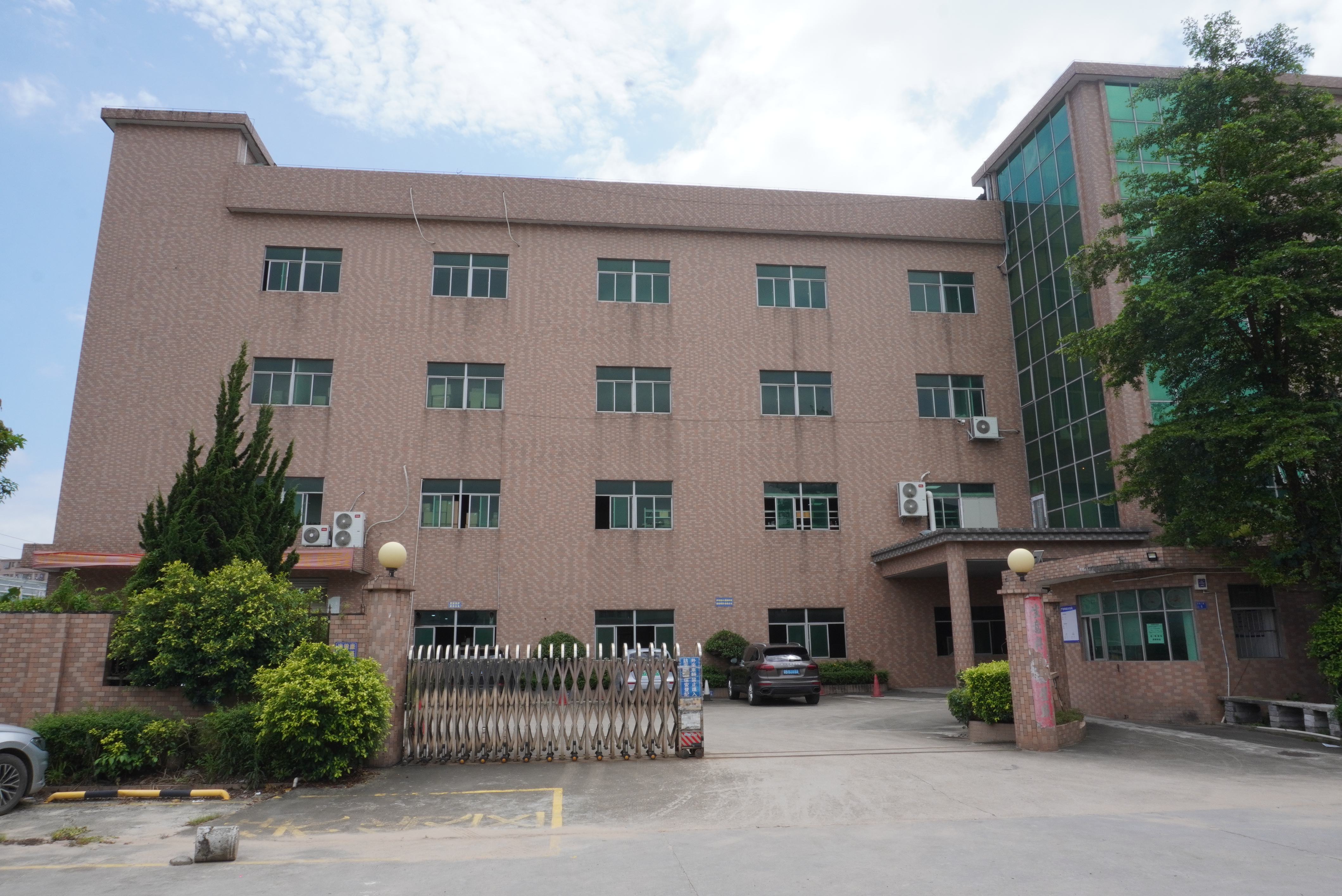
Dongguan Sanlixin Plastic Technology Co.,Ltd
Shenzhen Sanlixin Technology Co., Ltd. and Dongguan Sanlixin Plastic Technology Co., Ltd. is a manufacturer integrating precision plastic mold design, mold opening, single (double) color injection molding, IML injection molding processing, producing various single (double) color, IML process high-end appearance decorative structural parts, two-color buttons, USB dust plugs, panels and other plastic products, providing customers with fast, excellent, Midea all-round service, the company has 15 years of experience in precision plastic mold design, processing and production, with a variety of advanced machine injection molding equipment with excellent quality and fast service to win the trust and strong support of our customers.
Exploring EDM's Critical Role in Injection Mold Manufacturing
Key Features of High-Quality Abdominal Massager Handles: The Role of Injection Molding