Understanding the Phenomenon of Plastic Aging
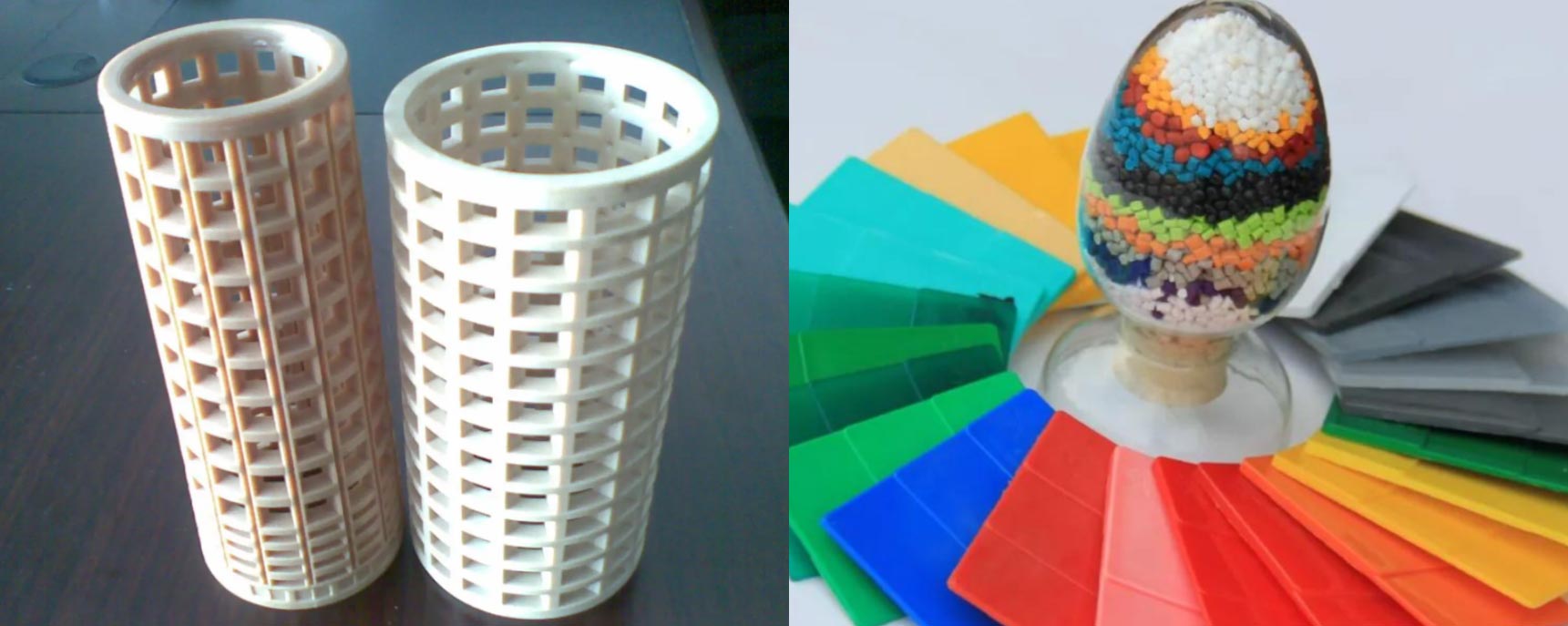
Plastic aging is a natural process that affects the physical, chemical, and mechanical properties of plastic materials over time. This phenomenon can lead to degradation, reduced performance, and ultimately, the failure of plastic products. Understanding the causes, mechanisms, and effects of plastic aging is crucial for manufacturers, engineers, and consumers to ensure the longevity and reliability of plastic components. This article delves into the various aspects of plastic aging, its causes, and potential mitigation strategies.
1. What is Plastic Aging?
Definition
Plastic aging refers to the gradual deterioration of plastic materials due to environmental factors, mechanical stress, and chemical reactions. This process can manifest as changes in color, brittleness, loss of strength, and other physical and chemical alterations.
Types of Aging
Plastic aging can be categorized into several types, including thermal aging, photo-aging, chemical aging, and mechanical aging. Each type is influenced by different factors and results in distinct forms of degradation.
2. Causes of Plastic Aging
Thermal Aging
Exposure to high temperatures can accelerate the aging process by breaking down polymer chains. This leads to a loss of mechanical properties and can cause discoloration and brittleness.
Photo-Aging
Ultraviolet (UV) radiation from sunlight can cause photo-oxidative degradation in plastics. This results in the breakdown of polymer chains, leading to surface cracking, chalking, and loss of mechanical strength.
Chemical Aging
Exposure to chemicals, such as solvents, acids, and bases, can cause chemical reactions that degrade plastic materials. This type of aging can lead to swelling, cracking, and loss of mechanical properties.
Mechanical Aging
Repeated mechanical stress, such as bending, stretching, or impact, can cause fatigue in plastic materials. Over time, this leads to the formation of microcracks and eventual failure.
3. Mechanisms of Plastic Aging
Oxidation
Oxidation is a common mechanism of plastic aging, where oxygen reacts with the polymer chains, leading to chain scission and cross-linking. This results in a loss of mechanical properties and changes in physical appearance.
Hydrolysis
Hydrolysis involves the breakdown of polymer chains due to reaction with water. This is particularly relevant for polymers like polyesters and polyamides, which are susceptible to moisture.
Chain Scission
Chain scission refers to the breaking of polymer chains into smaller segments. This can be caused by thermal, photo, or chemical degradation and leads to a reduction in molecular weight and mechanical strength.
Cross-Linking
Cross-linking involves the formation of new bonds between polymer chains. While this can increase rigidity, it often leads to brittleness and reduced flexibility.
4. Effects of Plastic Aging
Physical Changes
Aged plastics often exhibit physical changes such as discoloration, surface cracking, and loss of transparency. These changes can affect the aesthetic appeal and functionality of the product.
Mechanical Degradation
Mechanical properties such as tensile strength, impact resistance, and elasticity can deteriorate over time. This makes the plastic more prone to cracking, breaking, and failure under stress.
Chemical Changes
Chemical aging can alter the chemical composition of the plastic, leading to changes in properties such as solubility, permeability, and resistance to chemicals.
5. Mitigation Strategies
Additives
Incorporating additives such as UV stabilizers, antioxidants, and thermal stabilizers can significantly reduce the rate of plastic aging. These additives help protect the polymer chains from degradation.
Material Selection
Choosing the right type of plastic for a specific application can mitigate aging effects. For example, using UV-resistant polymers for outdoor applications can prevent photo-aging.
Protective Coatings
Applying protective coatings can shield plastic surfaces from environmental factors such as UV radiation and chemical exposure, thereby extending the lifespan of the product.
Design Considerations
Designing products with considerations for mechanical stress and environmental exposure can help minimize aging effects. This includes optimizing wall thickness, avoiding sharp corners, and using reinforcements.
6. Applications and Implications
Consumer Products
Understanding plastic aging is crucial for the longevity and safety of consumer products such as toys, household items, and electronics. Manufacturers must ensure that these products remain functional and safe over their intended lifespan.
Industrial Applications
In industrial settings, plastic components are often subjected to harsh conditions. Knowledge of plastic aging helps in selecting materials and designing components that can withstand these conditions without premature failure.
Environmental Impact
Plastic aging contributes to environmental pollution as degraded plastics can release harmful chemicals and microplastics. Understanding and mitigating plastic aging can help reduce the environmental impact of plastic waste.
Conclusion
Plastic aging is a complex phenomenon influenced by various environmental, chemical, and mechanical factors. Understanding the causes, mechanisms, and effects of plastic aging is essential for developing strategies to mitigate its impact. By incorporating additives, selecting appropriate materials, applying protective coatings, and considering design factors, manufacturers can enhance the durability and performance of plastic products. As the use of plastics continues to grow, addressing the challenges of plastic aging will be crucial for ensuring the sustainability and reliability of plastic materials in diverse applications.
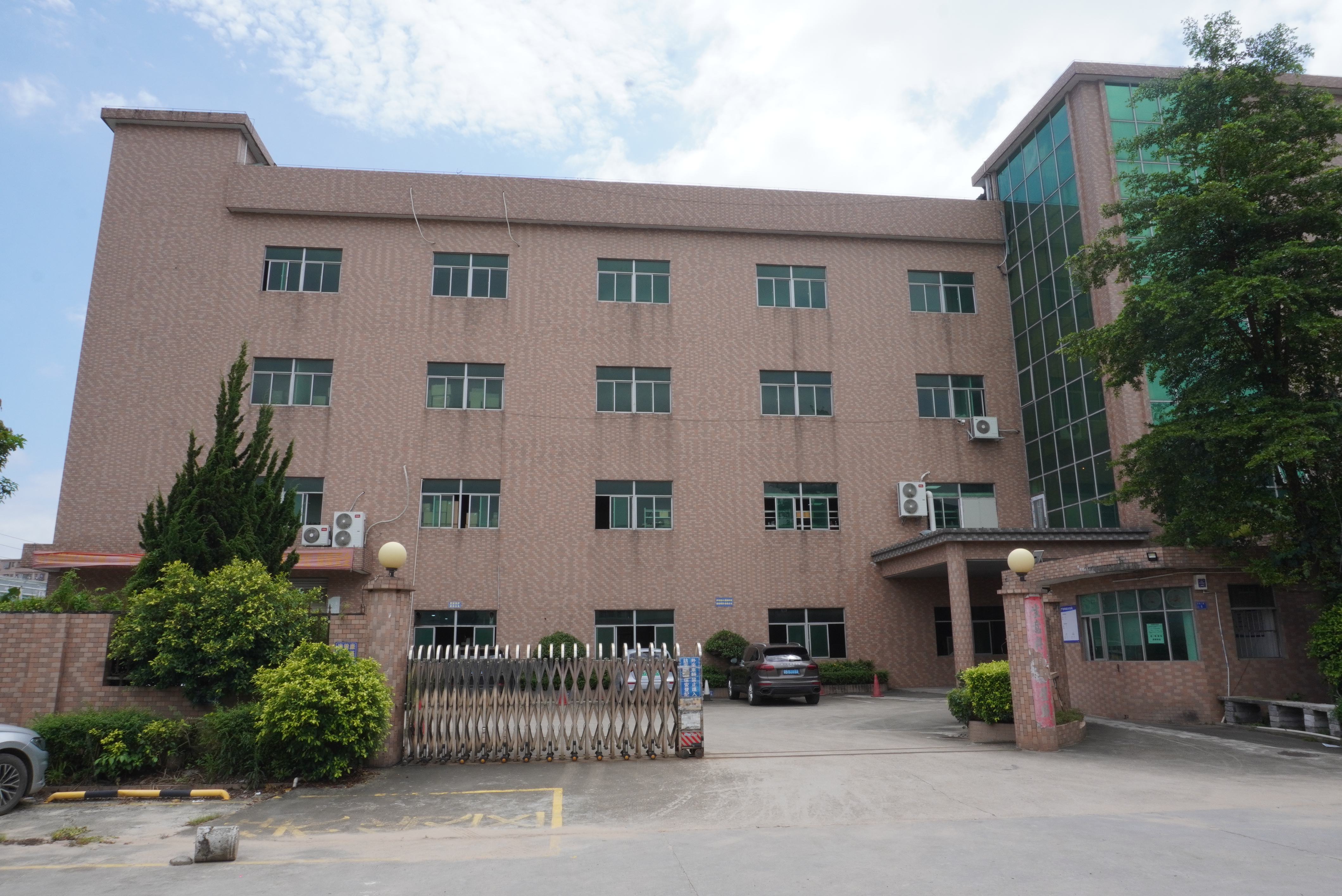
Dongguan Sanlixin Plastic Technology Co.,Ltd
Shenzhen Sanlixin Technology Co., Ltd. and Dongguan Sanlixin Plastic Technology Co., Ltd. is a manufacturer integrating precision plastic mold design, mold opening, single (double) color injection molding, IML injection molding processing, producing various single (double) color, IML process high-end appearance decorative structural parts, two-color buttons, USB dust plugs, panels and other plastic products, providing customers with fast, excellent, Midea all-round service, the company has 15 years of experience in precision plastic mold design, processing and production, with a variety of advanced machine injection molding equipment with excellent quality and fast service to win the trust and strong support of our customers.
The Essential Guide to Injection Molding Machine Maintenance
What is the Closed-Loop System of an Injection Molding Machine?