Understanding the Difference Between Steel Plate and Structural Steel
In the vast field of metalworking and material science, sheet plate and structural steel each play a pivotal role. They are not only the indispensable basic materials of modern manufacturing industry, but also attract much attention because of their unique performance and extensive application scenarios. However, despite the same metal materials, sheet plate and structural steel have significant differences in the definition, characteristics, use and processing methods. What are the specific differences between sheet plate and structural steel? Next, we will explore many aspects to reveal the mystery between these two metal materials.
What is Steel Plate?
Definition and Characteristics
Steel plates are flat sheets of steel that are typically produced in large sizes and varying thicknesses. They are manufactured through a process of rolling or cutting, resulting in a flat, uniform surface. Steel plates are known for their strength, durability, and versatility.
Functional Applications
Steel plates are widely used in industries that require robust and durable materials. Common applications include:
- Construction: Used in the construction of bridges, buildings, and other large structures.
- Shipbuilding: Essential for the hulls and decks of ships due to their resistance to corrosion and high strength.
- Manufacturing: Utilized in the production of heavy machinery, vehicles, and industrial equipment.
- Energy Sector: Employed in the construction of wind turbines, oil rigs, and pipelines.

What is Structural Steel?
Definition and Characteristics
Structural steel refers to a category of steel used specifically for making construction materials in a variety of shapes. These shapes include beams, angles, channels, and columns. Structural steel is designed to provide a framework or skeleton for buildings and other structures, offering high strength and flexibility.
Functional Applications
Structural steel is predominantly used in the construction industry. Its primary applications include:
- Building Frameworks: Forms the skeleton of skyscrapers, residential buildings, and commercial complexes.
- Infrastructure Projects: Used in the construction of bridges, tunnels, and highways.
- Industrial Structures: Essential for factories, warehouses, and other large industrial buildings.
- Support Structures: Provides support for platforms, walkways, and mezzanines within buildings.

Key Differences Between Steel Plate and Structural Steel
Form and Shape
Steel plates are flat and uniform, making them suitable for applications requiring large, flat surfaces. In contrast, structural steel comes in various shapes and sizes, designed to provide structural support and framework.
Functional Use
Steel plates are primarily used for their strength and durability in applications like shipbuilding and heavy machinery. Structural steel, on the other hand, is used to create the framework and support for buildings and infrastructure projects.
Manufacturing Process
Steel plates are produced through rolling or cutting processes, resulting in flat sheets. Structural steel is manufactured through processes like hot rolling, cold rolling, and extrusion to create specific shapes like I-beams and H-beams.
Advantages and disadvantages: steel plate VS structural steel
| sheet plate | structural steel | |
| Advantages | high strength | Improper handling is easy to rust |
| Good plasticity and toughness | Good plasticity and toughness | |
| Good weldability and workability | Weldability and workability | |
| Corrosion resistance and wear resistance | Corrosion resistance and wear resistance | |
| Prices are relatively low | Economy and recyclability | |
| Recyclable reuse | Design and construction flexibility | |
| A wide range of applications | High safety | |
| Disadvantages | The weight is larger | Easy to be affected by the environment |
| Strong thermal conduction performance | High welding requirements | |
| Improper handling is easy to rust | The cost is relatively high |
Functional Applications
Structural steel is predominantly used in the construction industry. Its primary applications include:
Strength and toughness
As the core component of static or dynamic load, its strength and toughness are important considerations. In the selection of steel, it is necessary to choose the material strength and toughness matching steel according to the actual load conditions of the building components.
Shape and size
Different building components require different shapes and sizes of steel, such as beams, columns, plates, etc. Therefore, when selecting steel, it is necessary to ensure that the shape and size of the selected steel can meet the design requirements.
Chemical composition
The chemical composition of steel directly affects its performance and service life. When choosing steel, we need to pay attention to its chemical composition, especially the carbon content, sulfur content, phosphorus content and other indicators. High-quality steel usually has a low impurity content and strict composition control.
Production standard
Different steel production standards correspond to different performance and quality requirements. When selecting steel, it is necessary to confirm that it meets the relevant national or industrial standards and regulations to ensure the quality and reliability of the steel.
Cost performance
In the construction industry, high-quality steel is usually more expensive. Therefore, in the selection of steel, it is necessary to comprehensively consider its performance, price and service life and other factors, in order to choose the most cost-effective steel.
Purpose and demand
The use and demand of steel are also the factors to be considered when choosing steel. Different steel is suitable for different occasions and needs, such as construction steel, machinery manufacturing steel, power station engineering steel, etc. Therefore, in the selection of steel, it is necessary to choose the appropriate steel types and specifications according to the specific use of occasions and requirements.
Conclusion
While both steel plates and structural steel are essential materials in construction and manufacturing, they serve different purposes and have distinct characteristics. Steel plates offer flat, durable surfaces for heavy-duty applications, whereas structural steel provides the necessary framework and support for buildings and infrastructure. Understanding these differences is crucial for selecting the right material for specific projects, ensuring both safety and efficiency.
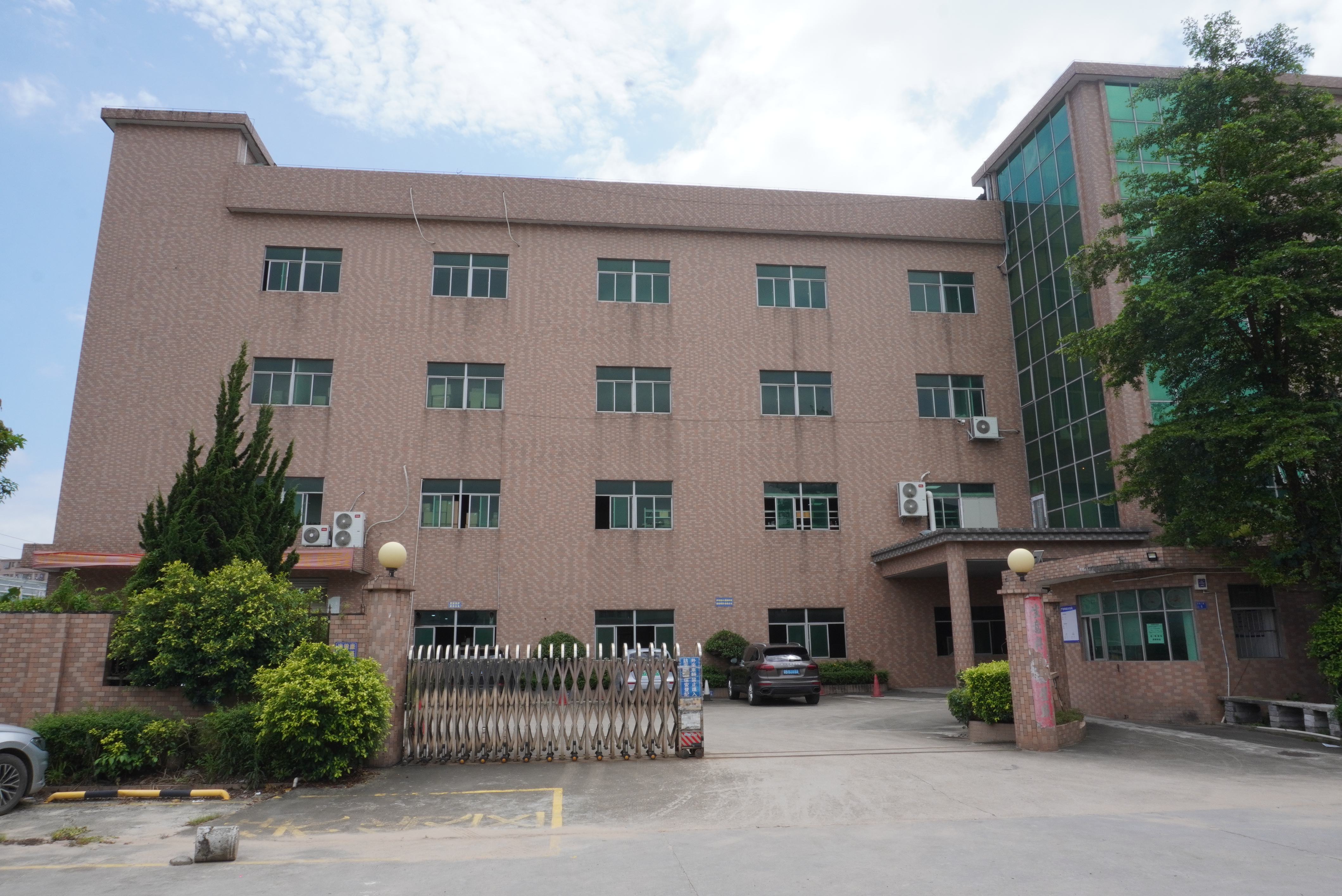
Dongguan Sanlixin Plastic Technology Co.,Ltd
Shenzhen Sanlixin Technology Co., Ltd. and Dongguan Sanlixin Plastic Technology Co., Ltd. is a manufacturer integrating precision plastic mold design, mold opening, single (double) color injection molding, IML injection molding processing, producing various single (double) color, IML process high-end appearance decorative structural parts, two-color buttons, USB dust plugs, panels and other plastic products, providing customers with fast, excellent, Midea all-round service, the company has 15 years of experience in precision plastic mold design, processing and production, with a variety of advanced machine injection molding equipment with excellent quality and fast service to win the trust and strong support of our customers.
Boost Your Efficiency with Thread Milling: 9 Reasons Why
CNC Machining Materials Selection Guide: Features, Performance, Applications