Identification of the Quality of Mold Steel: Key Factors and Best Practices
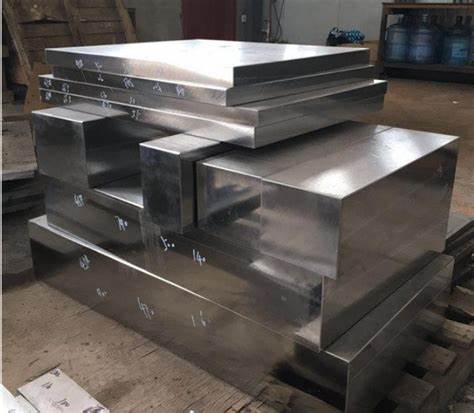
Mold steel is a critical component in the manufacturing of molds used for injection molding, die casting, and other industrial processes. The quality of mold steel directly impacts the durability, precision, and performance of the molds, making it essential to identify and select high-quality materials. Understanding the key factors that determine the quality of mold steel can help manufacturers ensure optimal results and minimize production issues.
Key Factors in Identifying Mold Steel Quality
Several factors contribute to the quality of mold steel, including material composition, hardness, toughness, and surface finish. Below are the primary considerations for evaluating mold steel quality:
Material Composition
The composition of mold steel plays a significant role in its performance. High-quality mold steel typically contains alloying elements such as chromium, nickel, molybdenum, and vanadium, which enhance hardness, wear resistance, and corrosion resistance. The specific composition should be tailored to the intended application, ensuring the steel can withstand the demands of the molding process.
Hardness
Hardness is a critical property of mold steel, as it determines the material's ability to resist wear and deformation. High-quality mold steel should have a uniform hardness that is appropriate for the specific application. Hardness is often measured using the Rockwell (HRC) scale, with values typically ranging from 45 to 60 HRC for mold steels.
Toughness
Toughness refers to the ability of mold steel to absorb energy and resist cracking or chipping under impact. High-quality mold steel should exhibit a balance between hardness and toughness, ensuring it can withstand the stresses of the molding process without failing. Toughness is particularly important for molds used in high-pressure applications.
Surface Finish
The surface finish of mold steel affects the quality of the final molded parts. High-quality mold steel should have a smooth, defect-free surface that minimizes friction and wear during the molding process. A superior surface finish also reduces the need for post-processing and enhances the overall efficiency of the production cycle.
Heat Treatment
Heat treatment is a crucial process that enhances the properties of mold steel, including hardness, toughness, and dimensional stability. High-quality mold steel undergoes precise heat treatment to achieve the desired mechanical properties. Proper heat treatment ensures the steel can withstand the thermal and mechanical stresses encountered during molding.
Corrosion Resistance
Corrosion resistance is an important consideration for mold steel, particularly in applications involving exposure to moisture or corrosive substances. High-quality mold steel should exhibit excellent corrosion resistance to maintain its integrity and performance over time. Alloying elements such as chromium and nickel contribute to this property.
Testing and Evaluation Methods
To ensure the quality of mold steel, manufacturers employ various testing and evaluation methods. These methods help verify the material's properties and suitability for specific applications.
Hardness Testing
Hardness testing, such as Rockwell or Vickers testing, is used to measure the hardness of mold steel. This test provides valuable information about the material's wear resistance and ability to withstand deformation.
Impact Testing
Impact testing evaluates the toughness of mold steel by measuring its ability to absorb energy and resist fracture. Common methods include Charpy and Izod impact tests, which provide insights into the material's performance under dynamic loading conditions.
Microstructural Analysis
Microstructural analysis involves examining the internal structure of mold steel using microscopy techniques. This analysis helps identify the distribution of alloying elements, grain size, and any potential defects that could affect performance.
Surface Roughness Measurement
Surface roughness measurement assesses the smoothness of the mold steel surface. Techniques such as profilometry are used to quantify surface roughness, ensuring it meets the required standards for mold production.
Corrosion Testing
Corrosion testing evaluates the resistance of mold steel to corrosive environments. Methods such as salt spray testing and electrochemical testing provide data on the material's ability to withstand corrosion over time.
Best Practices for Selecting Mold Steel
Selecting high-quality mold steel requires careful consideration of the specific application and production requirements. Below are some best practices to guide the selection process:
Understand Application Requirements
Identify the specific demands of the molding process, including temperature, pressure, and material compatibility. Choose mold steel with properties that align with these requirements to ensure optimal performance.
Consult with Material Experts
Work with material experts or suppliers to select the appropriate grade of mold steel. Their expertise can help you navigate the complexities of material properties and make informed decisions.
Verify Certifications and Standards
Ensure the mold steel meets industry standards and certifications, such as those from ASTM, ISO, or DIN. These certifications provide assurance of the material's quality and consistency.
Conduct Thorough Testing
Perform comprehensive testing to verify the properties of the mold steel before committing to large-scale production. This step helps identify any potential issues and ensures the material meets the required specifications.
Consider Long-Term Performance
Evaluate the long-term performance of the mold steel, including its durability, maintenance requirements, and resistance to wear and corrosion. High-quality mold steel may have a higher upfront cost but can offer significant savings over time by reducing downtime and replacement costs.
Conclusion
Identifying the quality of mold steel is a critical step in ensuring the success of any molding process. By understanding the key factors that determine mold steel quality and employing rigorous testing and evaluation methods, manufacturers can select materials that deliver superior performance and durability. High-quality mold steel not only enhances the efficiency and precision of production but also contributes to the longevity and reliability of the molds. As the demand for high-performance molds continues to grow, the importance of selecting and verifying the quality of mold steel cannot be overstated.

Dongguan Sanlixin Plastic Technology Co.,Ltd
Shenzhen Sanlixin Technology Co., Ltd. and Dongguan Sanlixin Plastic Technology Co., Ltd. is a manufacturer integrating precision plastic mold design, mold opening, single (double) color injection molding, IML injection molding processing, producing various single (double) color, IML process high-end appearance decorative structural parts, two-color buttons, USB dust plugs, panels and other plastic products, providing customers with fast, excellent, Midea all-round service, the company has 15 years of experience in precision plastic mold design, processing and production, with a variety of advanced machine injection molding equipment with excellent quality and fast service to win the trust and strong support of our customers.
Characteristics of Silicone and Silicone Rubber Raw Materials and Industry Application Market
Discover the Benefits of LSR Injection Molding: Precision, Durability, and Versatility