CNC Machining of Steel: Methods, Grades, and Values
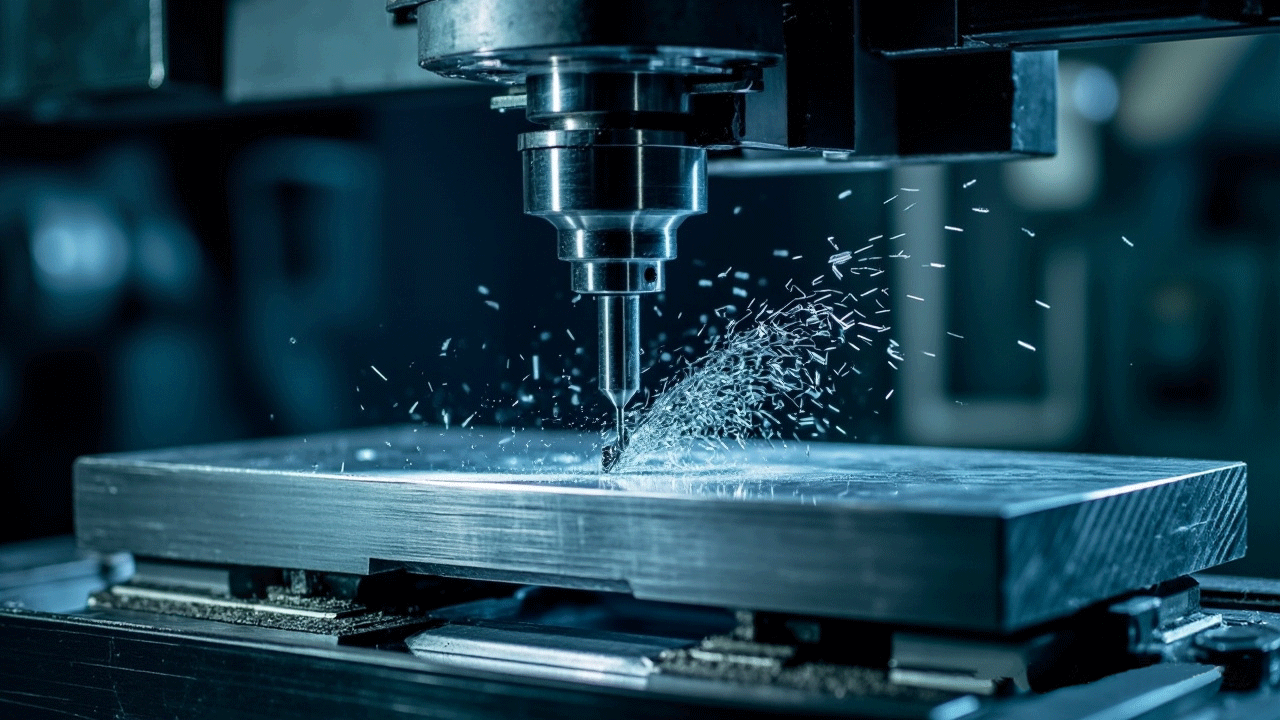
CNC (Computer Numerical Control) machining is a highly precise and versatile manufacturing process used to create complex parts from various materials, including steel. Steel is one of the most commonly machined materials due to its strength, durability, and wide range of applications. This article explores the methods, grades, and values associated with CNC machining of steel.
CNC Machining Methods for Steel
Milling
CNC milling involves the use of rotary cutting tools to remove material from a steel workpiece. The process can produce a wide range of shapes, including slots, holes, and complex contours. Milling is ideal for creating parts with intricate geometries and fine details.
Turning
CNC turning, performed on a lathe, involves rotating the steel workpiece while a single-point cutting tool removes material. This method is suitable for producing cylindrical parts, such as shafts, bolts, and bushings. Turning can achieve high precision and excellent surface finishes.
Drilling
CNC drilling is used to create precise holes in steel components. The process involves a rotating drill bit that penetrates the workpiece to form holes of various diameters and depths. Drilling is essential for applications requiring accurate hole placement and dimensions.
Grinding
CNC grinding uses abrasive wheels to achieve high precision and fine surface finishes on steel parts. This method is often used for finishing operations, where tight tolerances and smooth surfaces are critical.
Common Steel Grades for CNC Machining
Carbon Steel
Carbon steel is widely used in CNC machining due to its strength and affordability. Common grades include:
- 1018 Steel: Low carbon content, good machinability, and weldability.
- 1045 Steel: Medium carbon content, higher strength, and hardness.
Alloy Steel
Alloy steels contain additional elements such as chromium, nickel, and molybdenum to enhance properties like strength, toughness, and wear resistance. Common grades include:
- 4140 Steel: Chromium-molybdenum alloy, excellent strength and toughness.
- 4340 Steel: Nickel-chromium-molybdenum alloy, high strength and fatigue resistance.
Stainless Steel
Stainless steel is known for its corrosion resistance and is used in applications requiring durability and hygiene. Common grades include:
- 303 Stainless Steel: Good machinability, used for fittings and fasteners.
- 304 Stainless Steel: Excellent corrosion resistance, used in food processing and medical devices.
- 316 Stainless Steel: Superior corrosion resistance, used in marine and chemical environments.
Tool Steel
Tool steels are designed for high hardness and wear resistance, making them suitable for cutting and forming tools. Common grades include:
- D2 Steel: High carbon and chromium content, excellent wear resistance.
- A2 Steel: Air-hardening, good toughness and dimensional stability.
Values and Benefits of CNC Machining Steel
Precision and Accuracy
CNC machining offers exceptional precision and accuracy, allowing for the production of complex and detailed steel parts with tight tolerances.
Versatility
CNC machining can handle a wide range of steel grades and part geometries, making it a versatile manufacturing process suitable for various industries.
Efficiency
Automated CNC machines can operate continuously with minimal human intervention, leading to increased production efficiency and reduced lead times.
Cost-Effectiveness
While initial setup costs can be high, CNC machining becomes cost-effective for large production runs due to its repeatability and reduced material waste.
Durability
Steel parts produced through CNC machining are known for their strength, durability, and resistance to wear and tear, making them ideal for demanding applications.
Conclusion
CNC machining of steel is a critical manufacturing process that offers precision, versatility, and efficiency. By understanding the various methods, common steel grades, and the values associated with CNC machining, manufacturers can produce high-quality steel parts that meet the demands of diverse industries. Whether for automotive, aerospace, medical, or tooling applications, CNC machining of steel provides the necessary strength, durability, and precision required for success.
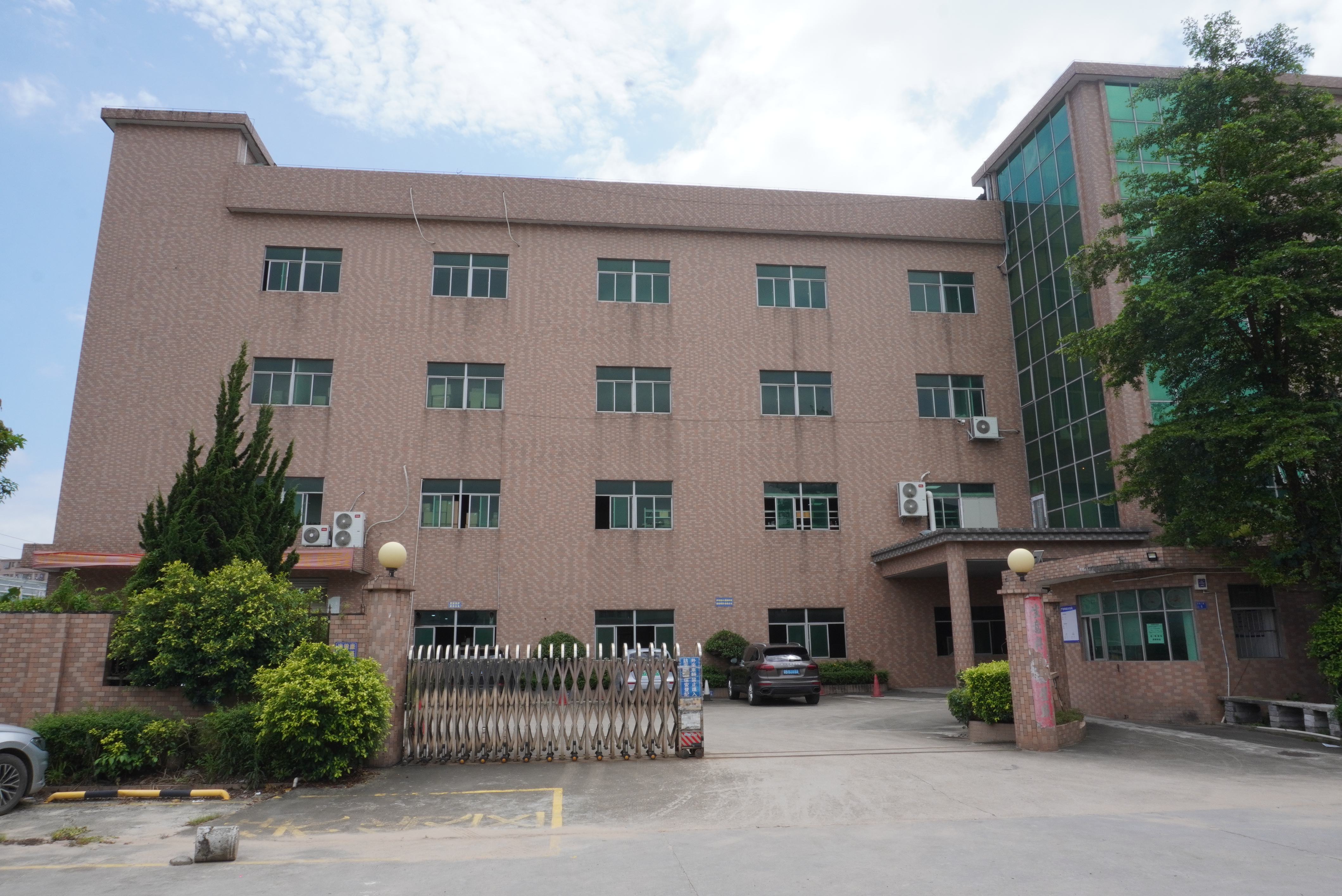
Dongguan Sanlixin Plastic Technology Co.,Ltd
Shenzhen Sanlixin Technology Co., Ltd. and Dongguan Sanlixin Plastic Technology Co., Ltd. is a manufacturer integrating precision plastic mold design, mold opening, single (double) color injection molding, IML injection molding processing, producing various single (double) color, IML process high-end appearance decorative structural parts, two-color buttons, USB dust plugs, panels and other plastic products, providing customers with fast, excellent, Midea all-round service, the company has 15 years of experience in precision plastic mold design, processing and production, with a variety of advanced machine injection molding equipment with excellent quality and fast service to win the trust and strong support of our customers.
Metal Stamping Defects: Root Causes and How to Prevent Them
Wire Cut Steel: Working Principle, Advantages, and Uses