The Critical Role of Mold Temperature Control in Injection Molding Quality
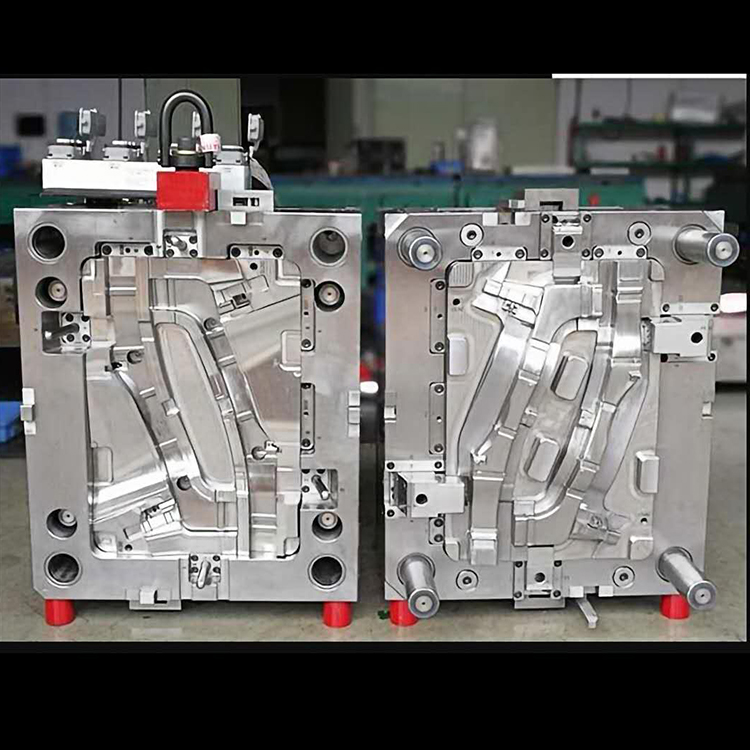
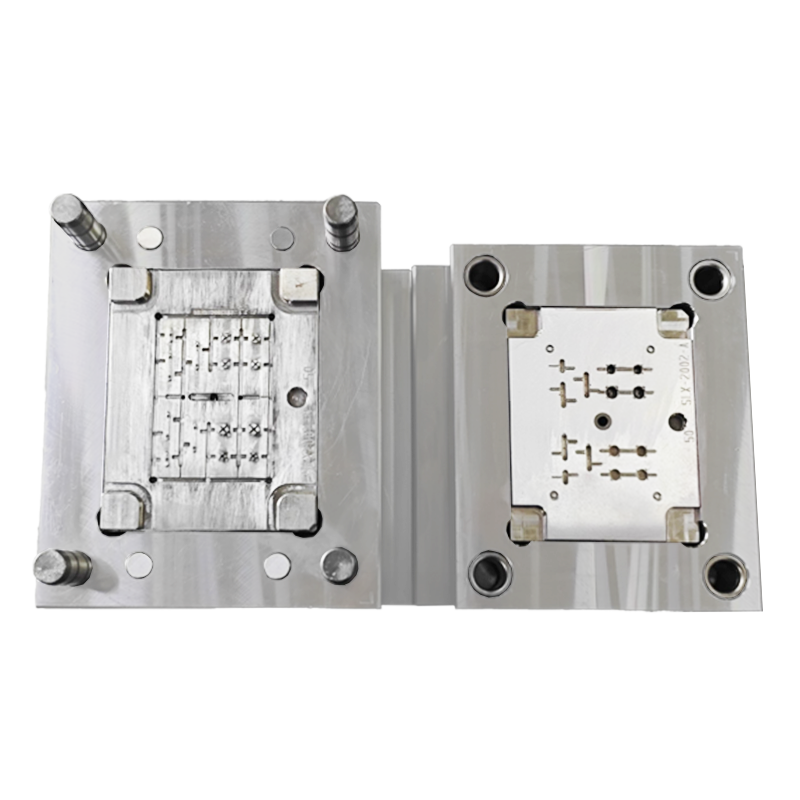
Mold temperature controllers (MTCs) are essential systems in injection molding that precisely regulate the temperature of the mold surface. By circulating temperature-controlled fluids through the mold's cooling channels, MTCs significantly influence the quality, consistency, and properties of molded products.
Key Impacts on Product Quality
1. Dimensional Accuracy and Stability
Effect: Proper temperature control minimizes warpage and shrinkage variation
Mechanism: Uniform cooling rates prevent differential shrinkage
Improvement: Tolerance control improves by 30-50%
2. Surface Finish Quality
Effect: Direct correlation between mold temperature and surface gloss
Mechanism: Higher temperatures allow better material replication
Improvement: Surface defects reduced by 40-70%
3. Mechanical Properties
Effect: Controls crystallinity in semi-crystalline materials
Mechanism: Cooling rate affects molecular structure
Improvement: Strength consistency increases by 25-35%
4. Cycle Time Optimization
Effect: Balances cooling efficiency with quality requirements
Mechanism: Precise temperature management avoids over-cooling
Improvement: Cycle time reductions of 15-25% achievable
Technical Benefits of Precision Temperature Control
| Process Parameter | Without MTC | With MTC | Improvement |
|---|---|---|---|
| Temperature Variation | ±8-12°C | ±1-2°C | 85% reduction |
| Part Consistency | 3-5% variation | 0.5-1.5% variation | 70% improvement |
| First-Pass Yield | 75-85% | 92-98% | 15% increase |
| Mold Maintenance | Monthly | Quarterly | 66% reduction |
Material-Specific Considerations
1. Semi-Crystalline Plastics (PP, PA, POM):
- Require precise temperature control for crystallization
- Typical range: 60-120°C depending on material
2. Amorphous Plastics (ABS, PC, PS):
- Less sensitive but still benefit from consistency
- Typical range: 40-80°C
3. Engineering Plastics (PEEK, LCP):
- High temperatures often required (120-180°C)
- Demand high-performance MTC systems
Advanced Temperature Control Strategies
- Zone Control: Different temperatures for various mold regions
- Dynamic Adjustment: Temperature profiling during cycle
- Conformal Cooling: 3D printed channels for uniform cooling
- Closed-Loop Systems: Real-time adjustments based on sensors
Economic Impact Analysis
Cost-Benefit Factors:
- Initial MTC investment pays back in 6-18 months
- Energy savings of 20-35% through optimized cooling
- Reduced scrap rates save 3-8% of material costs
- Extended mold life provides long-term savings
Conclusion
Precise mold temperature control transforms injection molding outcomes, delivering measurable improvements in product quality, consistency, and manufacturing efficiency. Modern temperature control systems have evolved beyond simple cooling to become sophisticated process optimization tools that address both technical and economic challenges in plastic part production. Implementing advanced mold temperature control should be considered a fundamental requirement for any serious injection molding operation.
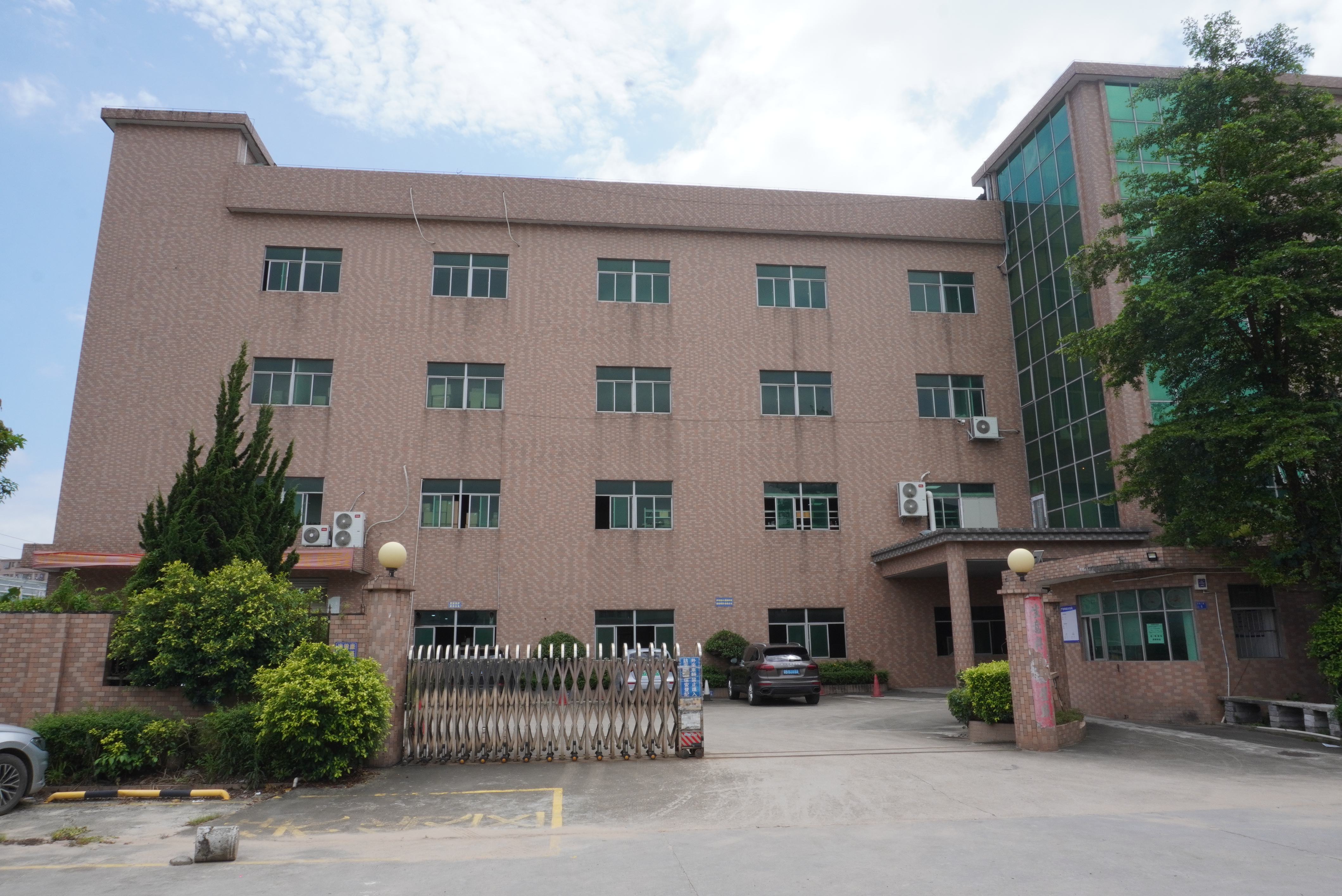
Dongguan Sanlixin Plastic Technology Co.,Ltd
Shenzhen Sanlixin Technology Co., Ltd. and Dongguan Sanlixin Plastic Technology Co., Ltd. is a manufacturer integrating precision plastic mold design, mold opening, single (double) color injection molding, IML injection molding processing, producing various single (double) color, IML process high-end appearance decorative structural parts, two-color buttons, USB dust plugs, panels and other plastic products, providing customers with fast, excellent, Midea all-round service, the company has 15 years of experience in precision plastic mold design, processing and production, with a variety of advanced machine injection molding equipment with excellent quality and fast service to win the trust and strong support of our customers.
Transparent Plastics: A Comprehensive Comparison
Enhancing Nylon's Wear Resistance: Key Additives and Their Applications