Low Volume Injection Molding: A Cost-Effective Solution for Small Production Runs
Low volume injection molding is a manufacturing process designed for producing small quantities of plastic parts, typically ranging from a few dozen to a few thousand units. This method is ideal for prototyping, custom parts, and niche markets where high-volume production is not required. This article explores the key aspects, benefits, and applications of low volume injection molding.
What is Low Volume Injection Molding?
Low volume injection molding involves the use of injection molding techniques to produce smaller quantities of plastic parts. Unlike high-volume injection molding, which requires expensive and time-consuming tooling, low volume injection molding utilizes cost-effective molds and streamlined processes to accommodate smaller production runs.
Key Features of Low Volume Injection Molding
Low volume injection molding offers several distinctive features that make it suitable for small production runs:
1. Cost-Effective Tooling
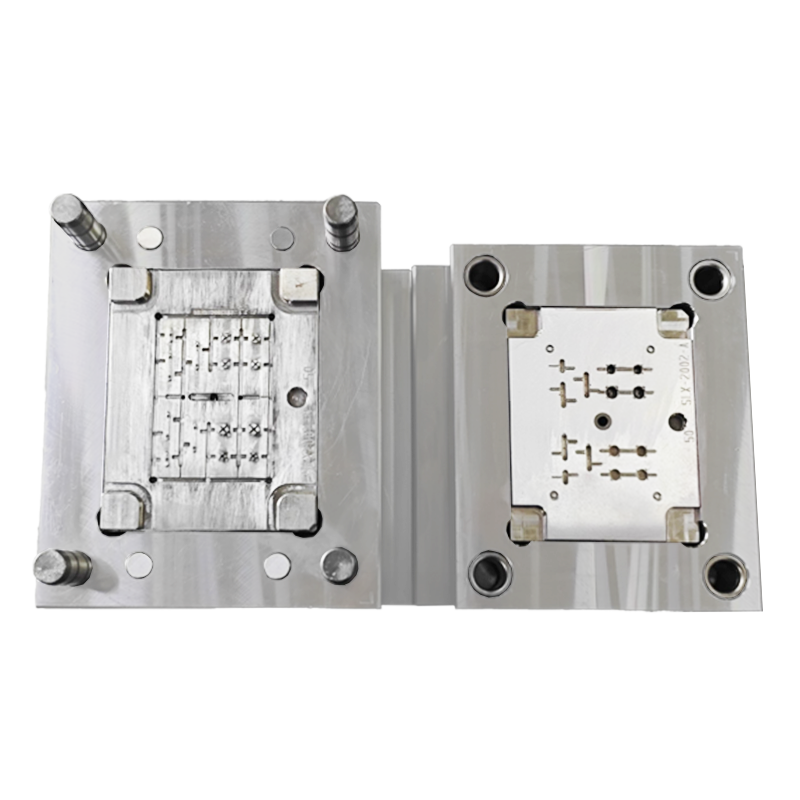
Low volume injection molding often uses aluminum or soft steel molds, which are less expensive and faster to produce than the hardened steel molds used in high-volume production.
- Function: Reduces initial investment and lead time
- Benefit: Makes it feasible for small businesses and startups
2. Rapid Prototyping
This method is ideal for rapid prototyping, allowing manufacturers to quickly produce and test parts before committing to large-scale production.
- Function: Facilitates design validation and iteration
- Benefit: Speeds up the product development cycle
3. Flexibility
Low volume injection molding offers greater flexibility in terms of material selection and design changes, making it easier to adapt to specific project requirements.
- Function: Allows for customization and small adjustments
- Benefit: Enhances product quality and suitability
4. Scalability
While designed for low volumes, this method can be scaled up if demand increases, providing a seamless transition to higher volume production.
- Function: Supports business growth and market testing
- Benefit: Reduces risk and investment in uncertain markets
Benefits of Low Volume Injection Molding
Low volume injection molding offers numerous advantages, particularly for businesses that require small production runs:
1. Reduced Initial Costs
The lower cost of tooling and setup makes it an attractive option for businesses with limited budgets.
2. Faster Time-to-Market
With quicker mold production and shorter lead times, products can be brought to market more rapidly.
3. High-Quality Parts
Despite the lower volume, the parts produced are of high quality, meeting the same standards as those produced in high-volume runs.
4. Customization
This method allows for greater customization and flexibility, making it ideal for specialized or niche products.
5. Risk Mitigation
Producing smaller quantities reduces the financial risk associated with large-scale production, especially for untested products.
Applications of Low Volume Injection Molding
Low volume injection molding is used in a variety of industries and applications, including:
1. Prototyping
Creating functional prototypes to test design, fit, and function before full-scale production.
2. Custom Parts
Producing custom or specialized parts for specific applications, such as medical devices or automotive components.
3. Niche Markets
Manufacturing products for niche markets where demand is limited but specialized requirements are high.
4. Bridge Tooling
Using low volume molds as a temporary solution while high-volume molds are being developed.
5. Limited Edition Products
Producing limited edition or seasonal products that do not require large quantities.
Conclusion
Low volume injection molding is a versatile and cost-effective solution for producing small quantities of high-quality plastic parts. Its benefits, including reduced initial costs, faster time-to-market, and greater flexibility, make it an ideal choice for prototyping, custom parts, and niche markets. By leveraging low volume injection molding, businesses can efficiently meet their production needs while minimizing risk and investment.
How to Solve Common Defects in Mold Processing
Risk Assessment Template for Injection Molding: Enhancing Safety and Efficiency