The Perfect Marriage of Metal and Silicone: How Insert Molding Technology Unlocks New Possibilities in Industrial Design?
Precisely position metal/plastic inserts, inject liquid silicone for molding, achieve structural integration and sealing protection, suitable for complex components, enabling efficient customized production.
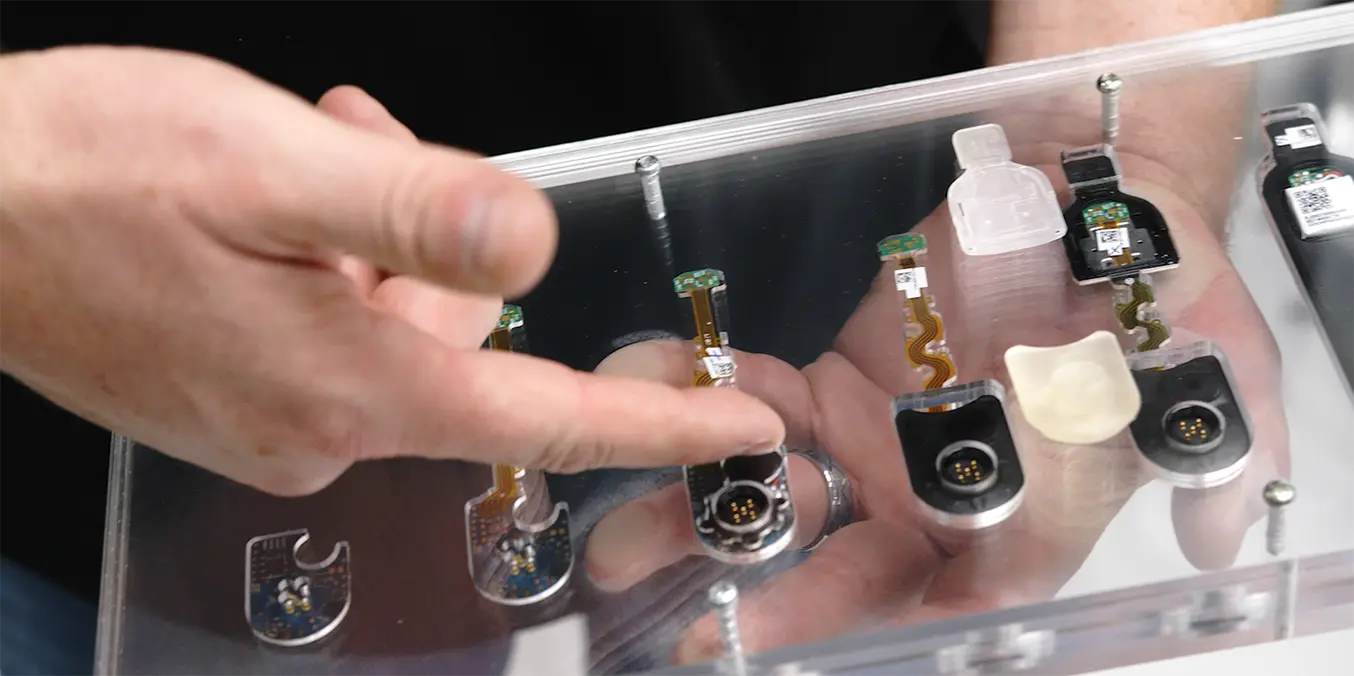
The Perfect Marriage of Metal and Silicone: How Insert Molding Technology Unlocks New Possibilities in Industrial Design
Introduction
What is Silicone Insert Molding?
The Process Unveiled
- Insert Preparation: The insert, which can be a metal part, plastic component, or even a pre-molded silicone piece, is carefully prepared. This may involve cleaning, surface treatment, or adding features to enhance adhesion with the silicone.
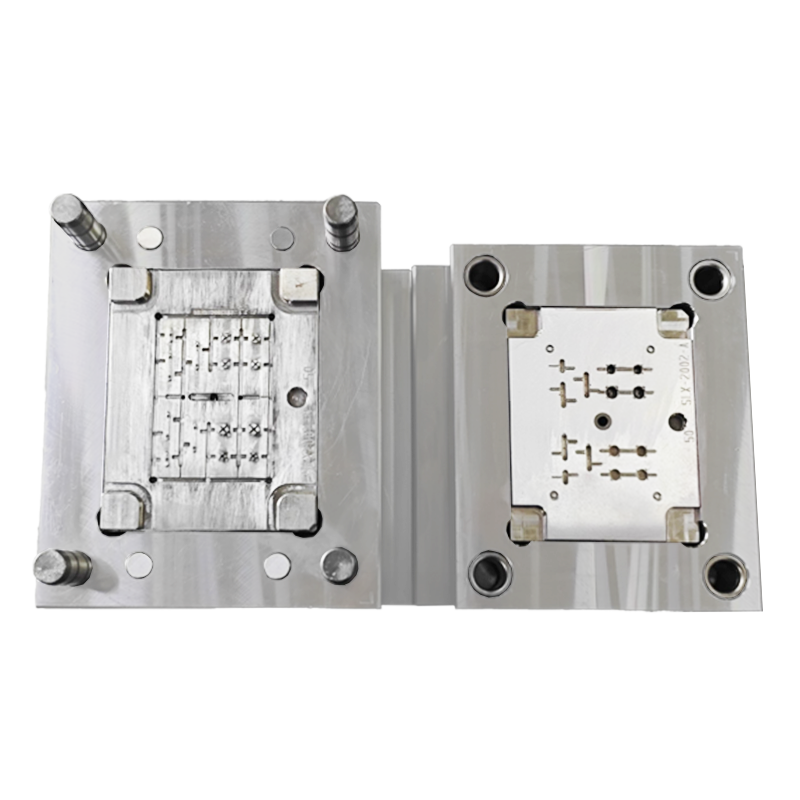
- Mold Setup: A precision mold is designed and set up. The mold has cavities specifically shaped to accommodate the insert and the flow of liquid silicone. It's crucial that the mold is designed with accuracy to ensure proper alignment and encapsulation of the insert.
- Insert Placement: The prepared insert is precisely placed inside the mold cavity. Automated systems are often used to ensure consistent and accurate placement, minimizing the risk of misalignment.
- Silicone Injection: Liquid silicone rubber, in a highly fluid state, is injected into the mold under high pressure. The silicone flows around the insert, filling every nook and cranny of the mold cavity.
- Curing: The mold is then heated to cure the silicone. This cross-links the polymer chains in the silicone, transforming it from a liquid to a solid, elastic material.
- Ejection: Once cured, the mold is opened, and the finished part, with the insert seamlessly integrated, is ejected.
Key Advantages of Silicone Insert Molding
- Enhanced Product Performance: By combining materials, products can have improved strength, flexibility, and resistance to wear, heat, and chemicals. For example, in automotive applications, silicone - inserted metal parts can withstand high temperatures under the hood while providing excellent vibration damping.
- Design Flexibility: Designers can create complex shapes and integrate multiple functions into a single part. This reduces the need for multiple components and assembly steps, leading to more streamlined and efficient product designs.
- Cost - Efficiency: While the initial tooling costs may be high, the long - term cost savings are significant. Fewer parts mean less inventory, reduced assembly time, and lower overall production costs.
- Improved Aesthetics: Silicone offers a smooth, attractive finish, and when combined with a metal insert, it can create a product with a high - end look and feel.
Applications Across Industries
- Automotive: In cars, silicone insert molding is used for parts like gaskets, seals, and connectors. For instance, engine gaskets made with silicone - inserted metal can better withstand extreme temperatures and pressures, improving engine performance and reliability.
- Electronics: In smartphones and tablets, this technology is used for creating protective cases and components that require both durability and flexibility. A silicone - inserted metal frame in a phone case can provide structural integrity while the silicone offers shock absorption.
- Medical: Silicone's biocompatibility makes it ideal for medical applications. Insert - molded parts are used in devices such as catheters, where the metal insert provides rigidity for insertion, and the silicone coating ensures a smooth and comfortable experience for the patient.
- Consumer Goods: From kitchen utensils to sports equipment, silicone insert molding is widely used. In a high - end kitchen spatula, a metal core can be inserted into silicone to provide strength and heat resistance, while the silicone handle offers a comfortable grip.
Technical Parameters and Considerations
|
Parameter
|
Description
|
Recommended Range
|
|
Silicone Viscosity
|
Determines how easily the liquid silicone flows. Lower viscosity allows for better filling of complex mold cavities.
|
500 - 5000 cP (centipoise)
|
|
Injection Pressure
|
The force used to inject the silicone into the mold. Higher pressure may be needed for complex molds or thicker parts.
|
50 - 200 bar
|
|
Curing Temperature
|
The temperature at which the silicone cross - links and hardens. Different silicone formulations have different optimal curing temperatures.
|
120 - 200°C
|
|
Curing Time
|
The duration for which the silicone is kept at the curing temperature. It depends on the part thickness and the silicone formulation.
|
30 seconds - 5 minutes
|
|
Insert Surface Finish
|
A smooth insert surface may require additional surface treatment to improve adhesion with the silicone. Rough surfaces generally offer better adhesion.
|
-
|
Expert Insights
Common Industry Questions Answered
- What are the common defects in silicone insert molding?
-
- Answer: Common defects include poor adhesion between the silicone and the insert, air bubbles in the silicone, and misalignment of the insert. These can be caused by improper surface preparation of the insert, incorrect injection parameters, or issues with mold design.
- Can different types of silicone be used in insert molding?
-
- Answer: Yes, there are various types of silicone available, such as high - temperature vulcanized (HTV) silicone and liquid silicone rubber (LSR). LSR is more commonly used in insert molding due to its better flow properties and faster curing times.
- How can I ensure good adhesion between the silicone and the insert?
-
- Answer: Surface treatment of the insert, such as sandblasting or using an adhesion promoter, can significantly improve adhesion. Also, choosing the right silicone formulation for the specific insert material is essential.
Conclusion
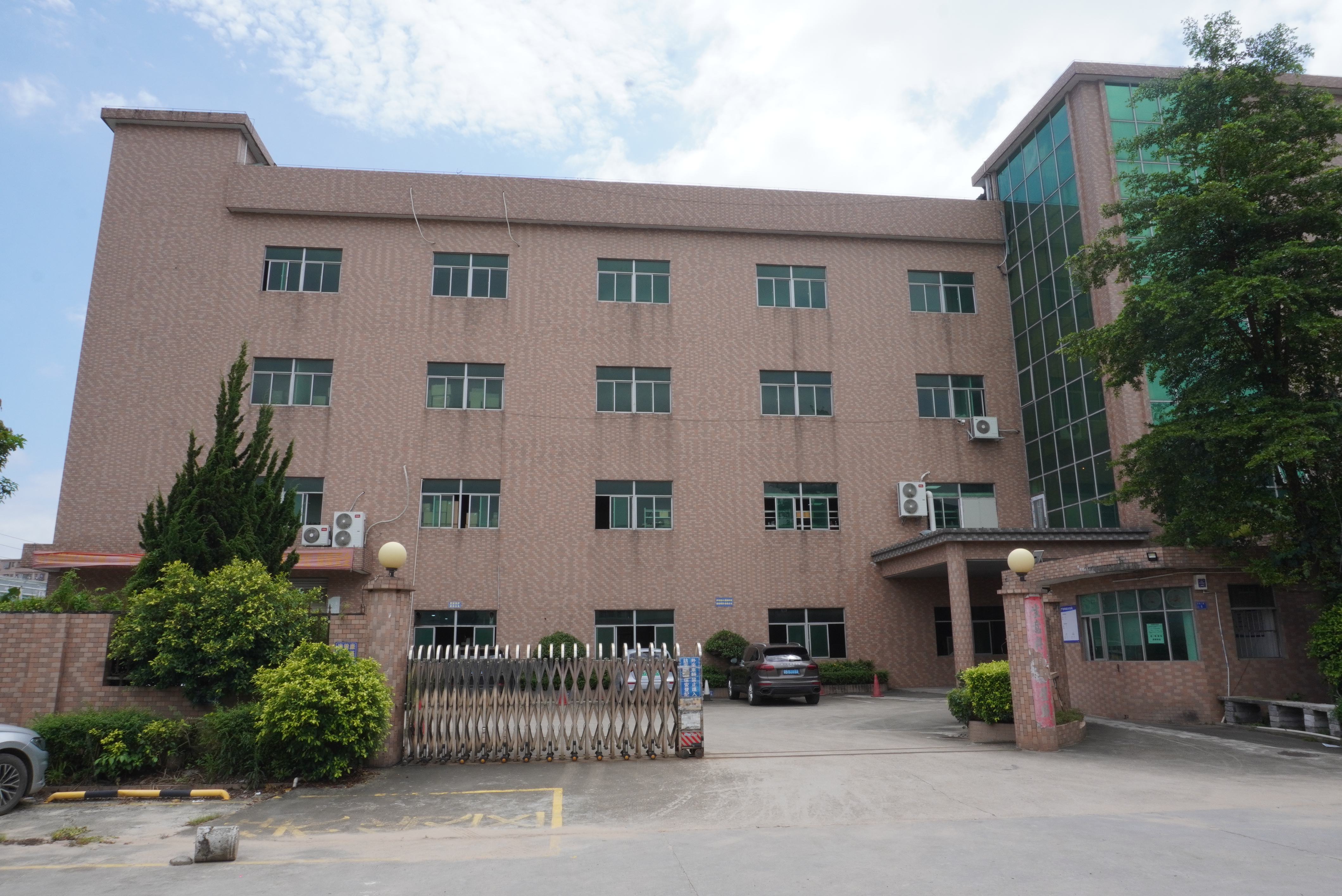
Dongguan Sanlixin Plastic Technology Co.,Ltd
Shenzhen Sanlixin Technology Co., Ltd. and Dongguan Sanlixin Plastic Technology Co., Ltd. is a manufacturer integrating precision plastic mold design, mold opening, single (double) color injection molding, IML injection molding processing, producing various single (double) color, IML process high-end appearance decorative structural parts, two-color buttons, USB dust plugs, panels and other plastic products, providing customers with fast, excellent, Midea all-round service, the company has 15 years of experience in precision plastic mold design, processing and production, with a variety of advanced machine injection molding equipment with excellent quality and fast service to win the trust and strong support of our customers.
Explore the Plastic Manufacturing Process: An Innovative Journey from Granules to Finished Products, Unlocking Industrial Aesthetics!
From aero engines to precision molds: How does milling machine processing become the "versatile craftsman" of high - end manufacturing?