Silicone Injection Molding: The Pinnacle of Precision Manufacturing – Advantages, Comparisons & Industry Impact
author: mia
2025-11-10
Silicone injection molding is a precise manufacturing process that injects molten silicone into molds, producing high-quality, durable parts for industries like medical, automotive, and electronics.

Table of Contents
- Introduction to Silicone Injection Molding
- What Exactly Is Silicone Injection Molding?
- Why Silicone Injection Molding Is Indispensable in Modern Manufacturing
- Key Advantages of Silicone Injection Molding
- Silicone Injection Molding vs. Other Materials/Processes: A Comparative Analysis
- Industries Transformed by Silicone Injection Molding
- Conclusion
H2: Introduction to Silicone Injection Molding
{: #intro}
In the realm of high-precision manufacturing, few processes have revolutionized product design and performance like silicone injection molding. This advanced technique combines the unique properties of silicone with the efficiency of injection molding, creating components that meet the most demanding industry standards. From medical devices to automotive parts, silicone injection molding has become the go-to solution for applications requiring durability, flexibility, and consistency – areas where traditional materials often fall short. Let’s dive into what makes this process so critical, its standout advantages, and how it stacks up against alternative options.
H2: What Exactly Is Silicone Injection Molding?
{: #definition}
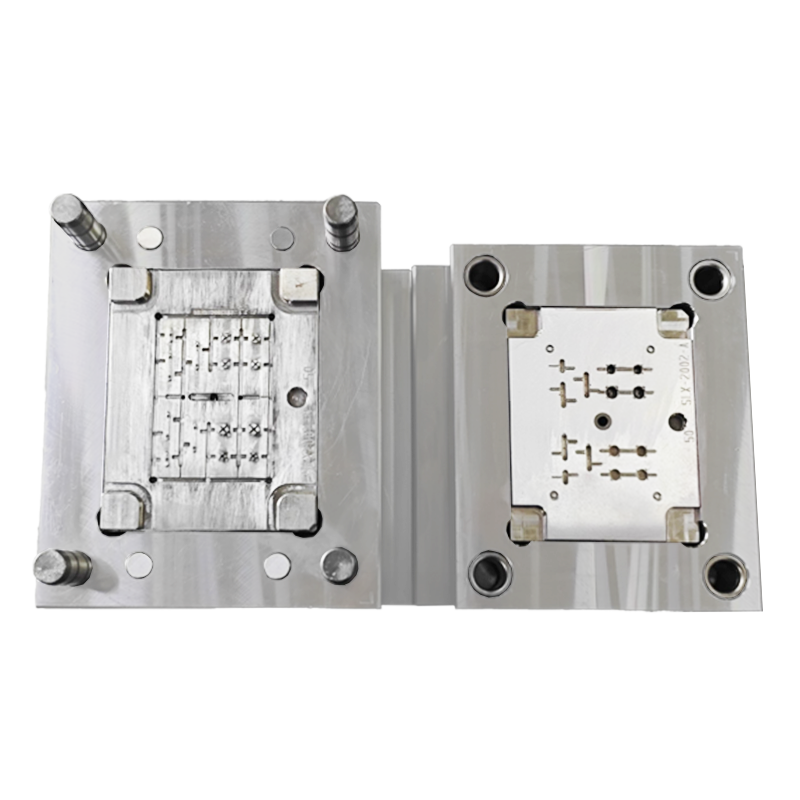
Silicone injection molding is a manufacturing process that injects molten silicone rubber into a precision-engineered mold cavity, where it cools, cures, and solidifies into a final product. Unlike other molding methods, it leverages silicone’s unique polymer structure – derived from silicon, oxygen, and organic compounds – to produce parts with exceptional physical and chemical properties.
The process involves three core steps:
- Silicone material is heated to a viscous state (without losing its structural integrity).
- A high-pressure injection system forces the molten silicone into a custom mold.
- The silicone cures (via heat or chemical reaction) inside the mold, replicating every detail of the cavity before being ejected as a finished component.
This method excels at producing high-volume, complex-shaped parts with tight tolerances – a key reason it’s adopted across industries worldwide.
H2: Why Silicone Injection Molding Is Indispensable in Modern Manufacturing
{: #importance}
Modern industries demand components that balance performance, reliability, and cost-effectiveness – and silicone injection molding delivers on all three fronts. Its importance stems from two critical factors: silicone’s inherent superiority and the process’s manufacturing efficiency.
First, silicone’s unique properties (heat resistance, flexibility, biocompatibility) address unmet needs in sectors like medical and aerospace, where failure is not an option. Second, injection molding enables mass production of consistent, high-quality parts at scale, reducing waste and lowering per-unit costs.
Without silicone injection molding, many breakthrough products – from implantable medical devices to high-temperature automotive gaskets – would be either impossible to produce or prohibitively expensive. It’s not just a manufacturing method; it’s a enabler of innovation.
H2: Key Advantages of Silicone Injection Molding
{: #advantages}
Silicone injection molding stands out for its unparalleled combination of material and process benefits. Here are the most impactful advantages:
H3: Exceptional Material Performance
Silicone itself is a star material. It offers high-temperature resistance (withstanding -55°C to 230°C, and even higher for specialty grades), making it ideal for extreme environments. It’s also inherently flexible, tear-resistant, and resistant to UV radiation, chemicals, and moisture – ensuring long-term durability in harsh conditions.
H3: Precision and Consistency
The injection molding process delivers tight tolerances (often as low as ±0.005 inches) and consistent part-to-part uniformity. This precision is critical for applications like medical seals or electronic components, where even minor deviations can cause failure.
H3: Biocompatibility and Safety
Medical-grade silicone used in injection molding is non-toxic, hypoallergenic, and compliant with global standards (e.g., FDA, ISO). This makes it perfect for implantable devices, baby products, and food-contact components – areas where safety is paramount.
H3: Efficiency and Scalability
Silicone injection molding supports high-volume production with fast cycle times. Molds can produce hundreds or thousands of parts per hour, and the process minimizes material waste (silicone scrap can often be recycled). This scalability makes it cost-effective for both large runs and complex, low-volume custom parts.
H3: Design Flexibility
The process accommodates intricate shapes, thin walls, and detailed features that are difficult or impossible with other methods. Molds can be customized to produce parts of any size – from micro-components for electronics to large gaskets for industrial equipment.
H2: Silicone Injection Molding vs. Other Materials/Processes: A Comparative Analysis
{: #comparison}
To fully appreciate silicone injection molding, it’s essential to compare it to common alternatives. Below is a breakdown of its strengths relative to other materials and processes.
H3: Silicone vs. Thermoplastics
{: #silicone-vs-thermoplastics}
Thermoplastics (e.g., ABS, PP, PVC) are widely used in injection molding, but they lag behind silicone in key areas:
| Feature | Silicone Injection Molding | Thermoplastic Injection Molding |
|---|---|---|
| Temperature Resistance | Excellent (-55°C to 230°C+) | Poor to Moderate (typically -40°C to 120°C) |
| Flexibility & Elasticity | Superior (retains shape after repeated bending) | Limited (brittle at low temps, prone to fatigue) |
| Chemical Resistance | Resistant to oils, solvents, and UV | Susceptible to degradation from chemicals/UV |
| Biocompatibility | FDA-compliant (safe for medical/food use) | Requires special coatings for biocompatibility |
Silicone’s main downside vs. thermoplastics? Higher material costs – but this is often offset by longer part lifespan and reduced maintenance.
H3: Silicone Injection Molding vs. Compression Molding
{: #silicone-vs-compression}
Compression molding is another method for silicone parts, but it’s less efficient:
- Cycle Time: Silicone injection molding has faster cycle times (1–5 minutes vs. 5–15 minutes for compression molding).
- Precision: Injection molding delivers tighter tolerances and more consistent parts.
- Complexity: Injection molding handles intricate designs better; compression molding struggles with thin walls or fine details.
- Scalability: Injection molding is ideal for high-volume runs; compression molding is better for small batches or large, simple parts.
H3: Silicone vs. Rubber Injection Molding
{: #silicone-vs-rubber}
Traditional rubber (e.g., natural rubber, nitrile) injection molding is common, but silicone outperforms it in:
- Temperature Range: Silicone withstands extreme heat/cold better than most rubbers.
- Durability: Silicone resists aging, cracking, and compression set (permanent deformation) better.
- Cleanliness: Silicone is non-porous and doesn’t leach chemicals, making it superior for medical/electronic applications.
- Weather Resistance: Silicone won’t degrade from sun, rain, or ozone – unlike natural rubber.
H2: Industries Transformed by Silicone Injection Molding
{: #industries}
Silicone injection molding isn’t just a niche process – it’s a cornerstone of multiple critical industries:
H3: Medical & Pharmaceutical
From implantable devices (e.g., pacemaker leads, orthopedic inserts) to disposable tools (e.g., syringe gaskets, catheter tips), silicone’s biocompatibility and precision make it irreplaceable.
H3: Automotive
Silicone injection molding produces high-temperature components like engine gaskets, turbocharger seals, and battery connectors – parts that must withstand extreme heat and vibration.
H3: Electronics
Silicone’s electrical insulation properties and flexibility make it ideal for smartphone cases, LED seals, and circuit board protectors.
H3: Consumer Goods
Baby bottle nipples, kitchen utensils, and wearable tech (e.g., smartwatch bands) rely on silicone’s safety, softness, and durability.
H2: Conclusion
{: #conclusion}
Silicone injection molding is more than a manufacturing process – it’s a driver of quality, innovation, and reliability across industries. Its unique blend of silicone’s superior material properties and injection molding’s efficiency makes it the top choice for applications where performance can’t be compromised.
While it may have higher upfront costs than alternatives, its long-term benefits – durability, consistency, and design flexibility – far outweigh the investment. As industries continue to demand more from their components, silicone injection molding will remain at the forefront of precision manufacturing.
Custom Silicone Molds: The Game-Changer in Manufacturing & Crafting
Liquid Silicone Injection Molding (LSR Molding): The Game-Changer in Precision Manufacturing