Silicone Casting: Molds, Techniques, and Application Guide
What is Silicone Casting?
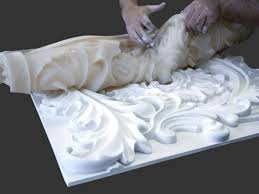
Silicone casting is a process that involves pouring liquid silicone into a mold to create a solid, flexible part. The silicone cures at room temperature or with heat, depending on the type of silicone used. This method is ideal for producing parts with intricate details, smooth surfaces, and high durability.
Creating Silicone Molds
The first step in silicone casting is creating a mold. The quality of the mold directly impacts the final product, so it’s essential to follow best practices.
1. Choose the Right Silicone
Select a silicone rubber that suits your application. Common types include:
- Room Temperature Vulcanizing (RTV) Silicone: Cures at room temperature and is ideal for detailed molds.
- High-Temperature Vulcanizing (HTV) Silicone: Requires heat to cure and is suitable for high-temperature applications.
2. Prepare the Master Model
The master model is the original part or prototype used to create the mold. Ensure the model is clean, free of defects, and properly sealed to prevent silicone from sticking.
3. Build the Mold Box
Construct a mold box to contain the silicone during pouring. The box should be slightly larger than the master model and made of materials like wood, plastic, or metal.
4. Mix and Pour the Silicone
Mix the silicone according to the manufacturer’s instructions, ensuring no air bubbles are trapped. Pour the silicone slowly into the mold box, covering the master model completely.
5. Cure and Demold
Allow the silicone to cure as per the recommended time and temperature. Once cured, carefully remove the master model to reveal the silicone mold.
Silicone Casting Techniques
Several techniques can be used for silicone casting, depending on the complexity and requirements of the part.
1. Open Mold Casting
Open mold casting is the simplest technique, where silicone is poured into an open mold. This method is suitable for flat or simple-shaped parts.
2. Two-Part Mold Casting
Two-part molds are used for more complex shapes. The master model is placed in the mold box, and silicone is poured around it. After curing, the mold is split into two halves to remove the model.
3. Injection Molding
Injection molding involves injecting liquid silicone into a closed mold under pressure. This technique is ideal for high-volume production and parts with intricate details.
4. Vacuum Casting
Vacuum casting removes air bubbles from the silicone before pouring, ensuring a smooth and defect-free surface. This method is perfect for high-quality, detailed parts.
Applications of Silicone Casting
Silicone casting is used in a wide range of industries due to its flexibility, durability, and ability to replicate fine details.
1. Prototyping
Silicone casting is widely used for creating prototypes in product development. It allows for quick and cost-effective production of detailed models.
2. Medical Devices
In the medical industry, silicone casting is used to produce flexible, biocompatible components like seals, gaskets, and surgical instruments.
3. Automotive Parts
Silicone casting is employed to manufacture durable and heat-resistant automotive components, such as gaskets, hoses, and seals.
4. Consumer Goods
From kitchen utensils to toys, silicone casting is used to create a variety of consumer products that require flexibility and durability.
5. Art and Sculpture
Artists and sculptors use silicone casting to create detailed and lifelike reproductions of their work.
Advantages of Silicone Casting
- High Detail Reproduction: Silicone molds can capture intricate details and textures.
- Flexibility: Silicone parts are flexible and can withstand repeated bending and stretching.
- Durability: Silicone is resistant to heat, chemicals, and UV radiation, making it suitable for various environments.
- Cost-Effective: Silicone casting is a cost-effective method for producing small to medium batches of parts.
Challenges of Silicone Casting
- Long Cure Times: Some silicones require extended curing times, which can slow down production.
- Material Costs: High-quality silicone can be expensive, especially for large molds.
- Skill Required: Creating detailed molds and achieving consistent results requires skill and experience.
Conclusion
Silicone casting is a powerful and versatile manufacturing process that offers numerous benefits for creating detailed, flexible, and durable parts. By understanding the techniques, applications, and best practices, manufacturers and designers can leverage silicone casting to produce high-quality products across various industries. Whether for prototyping, medical devices, or consumer goods, silicone casting provides a reliable solution for complex and intricate designs.

Dongguan Sanlixin Plastic Technology Co.,Ltd
Shenzhen Sanlixin Technology Co., Ltd. and Dongguan Sanlixin Plastic Technology Co., Ltd. is a manufacturer integrating precision plastic mold design, mold opening, single (double) color injection molding, IML injection molding processing, producing various single (double) color, IML process high-end appearance decorative structural parts, two-color buttons, USB dust plugs, panels and other plastic products, providing customers with fast, excellent, Midea all-round service, the company has 15 years of experience in precision plastic mold design, processing and production, with a variety of advanced machine injection molding equipment with excellent quality and fast service to win the trust and strong support of our customers.
Metric Screws vs. Imperial Screws: Differences and Applications
Understanding Welding Defects: Causes, Types, and Solutions