Metric Screws vs. Imperial Screws: Differences and Applications
What Are Metric Screws?
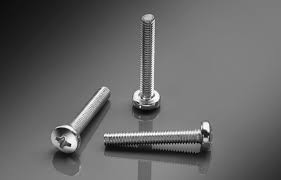
Metric screws are fasteners that adhere to the metric system, which is based on millimeters (mm). They are widely used in countries that follow the International System of Units (SI), including most of Europe, Asia, and South America.
Key Features of Metric Screws:
- Measurement: Dimensions are specified in millimeters (e.g., M6 x 1.0, where M6 is the diameter and 1.0 is the pitch).
- Thread Pitch: The distance between threads is measured in millimeters.
- Standards: Follow ISO (International Organization for Standardization) standards.
What Are Imperial Screws?
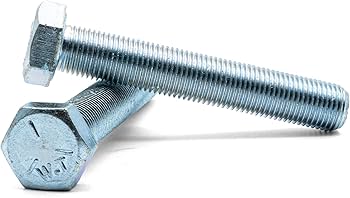
Imperial screws, also known as inch screws, are based on the imperial system, which uses inches and fractions of an inch. They are commonly used in the United States, Canada, and the United Kingdom.
Key Features of Imperial Screws:
- Measurement: Dimensions are specified in inches or fractions of an inch (e.g., 1/4"-20, where 1/4" is the diameter and 20 is the number of threads per inch).
- Thread Pitch: The number of threads per inch (TPI) indicates the thread density.
- Standards: Follow ANSI (American National Standards Institute) or BSW (British Standard Whitworth) standards.
Key Differences Between Metric and Imperial Screws
Understanding the differences between metric and imperial screws is crucial for selecting the right fastener for your application.
1. Measurement System
- Metric Screws: Use millimeters for diameter, length, and thread pitch.
- Imperial Screws: Use inches or fractions of an inch for diameter and length, and threads per inch (TPI) for thread pitch.
2. Thread Pitch
- Metric Screws: Thread pitch is the distance between threads in millimeters.
- Imperial Screws: Thread pitch is expressed as the number of threads per inch (TPI).
3. Standards and Compatibility
- Metric Screws: Follow ISO standards, ensuring compatibility across metric-based countries.
- Imperial Screws: Follow ANSI or BSW standards, commonly used in the US, Canada, and the UK.
4. Availability
- Metric Screws: More widely available in countries using the metric system.
- Imperial Screws: More commonly found in countries using the imperial system.
Applications of Metric and Imperial Screws
Both metric and imperial screws are used in various industries, but their applications often depend on regional standards and specific project requirements.
Applications of Metric Screws
- Automotive Industry: Metric screws are widely used in European and Asian vehicles.
- Electronics: Many electronic devices and components use metric screws for precision and compatibility.
- Machinery: Industrial machinery and equipment often use metric screws for standardization.
- Construction: Metric screws are used in construction projects in metric-based countries.
Applications of Imperial Screws
- Automotive Industry: Imperial screws are commonly used in American-made vehicles.
- Aerospace: Many aerospace components use imperial screws due to historical standards.
- Construction: Imperial screws are prevalent in construction projects in the US and UK.
- DIY and Home Improvement: Imperial screws are often used in household repairs and projects in imperial-based countries.
Choosing Between Metric and Imperial Screws
Selecting the right screw type depends on several factors, including regional standards, project requirements, and compatibility with existing components.
1. Regional Standards
Consider the measurement system used in your region. If you’re in a metric-based country, metric screws will be more readily available and compatible with local standards.
2. Project Requirements
Evaluate the specific needs of your project. For example, if you’re working on a European car, metric screws will be necessary. Conversely, American-made machinery may require imperial screws.
3. Compatibility
Ensure the screws you choose are compatible with existing components. Mixing metric and imperial screws can lead to improper fits and potential failures.
4. Availability
Check the availability of screws in your area. Metric screws may be harder to find in imperial-based countries, and vice versa.
Conclusion
Metric and imperial screws serve the same fundamental purpose but differ in measurement systems, thread pitch, and regional standards. Understanding these differences is essential for selecting the right fastener for your project. Whether you’re working on automotive, construction, or electronics, choosing the appropriate screw type ensures compatibility, reliability, and optimal performance. By considering regional standards, project requirements, and availability, you can make informed decisions and achieve successful outcomes in your applications.

Dongguan Sanlixin Plastic Technology Co.,Ltd
Shenzhen Sanlixin Technology Co., Ltd. and Dongguan Sanlixin Plastic Technology Co., Ltd. is a manufacturer integrating precision plastic mold design, mold opening, single (double) color injection molding, IML injection molding processing, producing various single (double) color, IML process high-end appearance decorative structural parts, two-color buttons, USB dust plugs, panels and other plastic products, providing customers with fast, excellent, Midea all-round service, the company has 15 years of experience in precision plastic mold design, processing and production, with a variety of advanced machine injection molding equipment with excellent quality and fast service to win the trust and strong support of our customers.
What is Cemented Carbide?
Silicone Casting: Molds, Techniques, and Application Guide