What Are the Causes of Mold Rusting?
What is Mold Rusting?
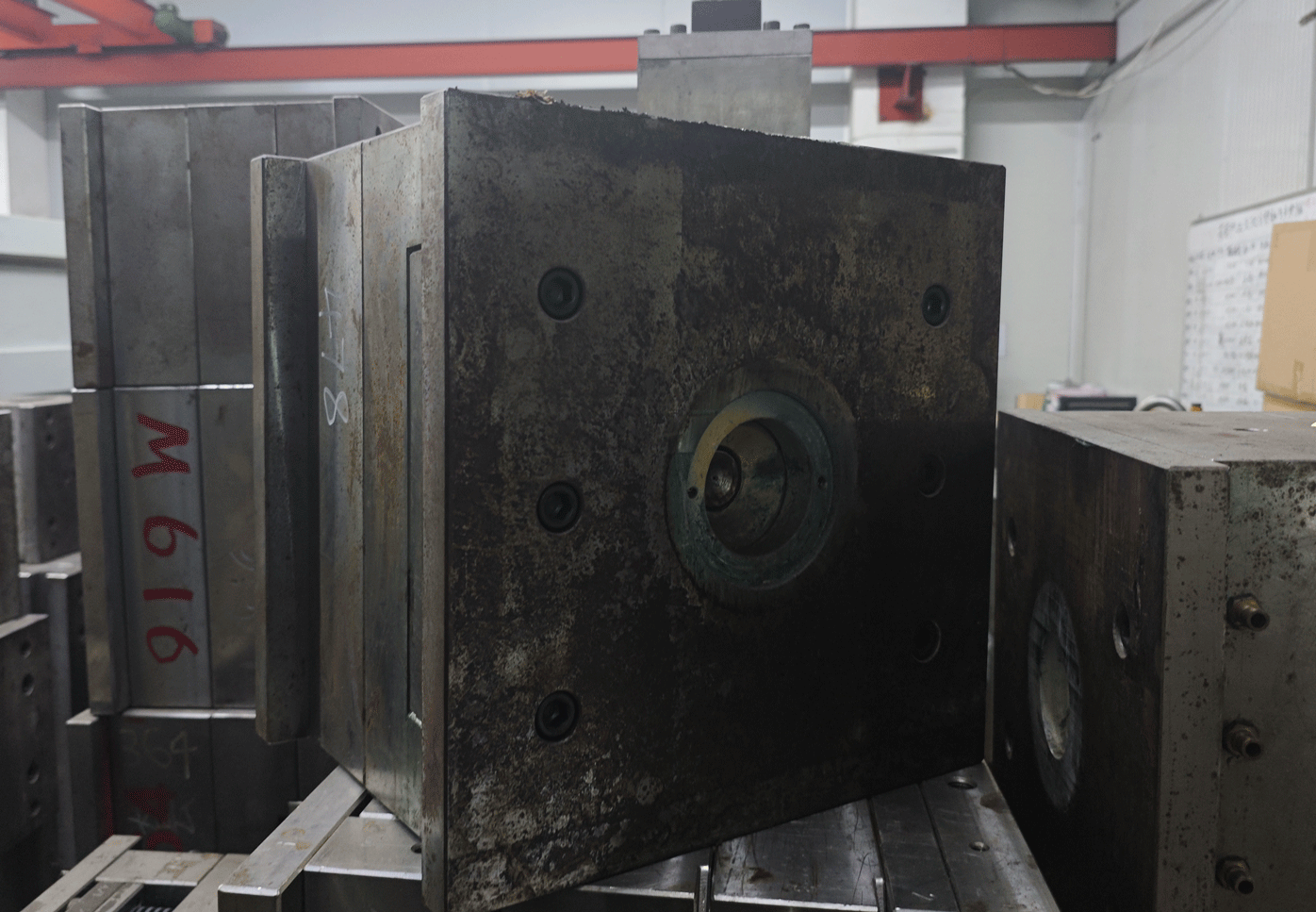
Mold rusting occurs when the metal surface of a mold undergoes oxidation, typically due to exposure to moisture and oxygen. This results in the formation of iron oxide, commonly known as rust, which can degrade the mold's surface and affect its performance.
Primary Causes of Mold Rusting
Several factors contribute to the rusting of molds. Understanding these causes is essential for implementing effective prevention strategies.
1. Exposure to Moisture
Moisture is the most significant factor in mold rusting. When metal molds are exposed to water or high humidity, the risk of oxidation increases.
- Sources: Condensation, cooling systems, environmental humidity
- Prevention: Use dehumidifiers, ensure proper storage, and apply protective coatings
2. Improper Storage
Storing molds in damp or poorly ventilated areas can lead to rust formation. Inadequate storage conditions expose molds to environmental factors that promote oxidation.
- Sources: Damp storage facilities, lack of protective coverings
- Prevention: Store molds in dry, climate-controlled environments and use protective covers
3. Inadequate Cleaning and Maintenance
Residual materials and contaminants left on molds after use can attract moisture and lead to rust. Regular cleaning and maintenance are crucial to prevent this.
- Sources: Residual plastics, oils, and other contaminants
- Prevention: Implement thorough cleaning routines and regular inspections
4. Use of Corrosive Coolants
Some coolants used in the molding process can be corrosive and contribute to rust formation if not properly managed.
- Sources: Acidic or low-quality coolants
- Prevention: Use high-quality, non-corrosive coolants and monitor coolant pH levels
5. Material Composition of the Mold
The type of metal used in the mold can influence its susceptibility to rust. Some metals are more prone to oxidation than others.
- Sources: High iron content in mold materials
- Prevention: Use rust-resistant alloys or apply protective coatings
Preventive Measures
Implementing preventive measures can significantly reduce the risk of mold rusting. Here are some effective strategies:
1. Regular Maintenance
Conduct regular inspections and maintenance to identify and address early signs of rust. Clean molds thoroughly after each use to remove any contaminants.
2. Protective Coatings
Apply protective coatings, such as rust inhibitors or anti-corrosive paints, to the mold surface to create a barrier against moisture and oxygen.
3. Controlled Storage Environment
Store molds in a controlled environment with low humidity and proper ventilation. Use desiccants or dehumidifiers to maintain optimal storage conditions.
4. Use of Rust-Resistant Materials
Opt for molds made from rust-resistant materials, such as stainless steel or specially treated alloys, to minimize the risk of oxidation.
5. Proper Handling and Usage
Ensure that molds are handled and used correctly to avoid damage that can expose the metal to corrosive elements. Train staff on proper mold handling procedures.
Conclusion
Mold rusting is a preventable issue that can significantly impact the quality and longevity of molds. By understanding the primary causes of rust and implementing effective preventive measures, manufacturers can protect their molds, reduce maintenance costs, and ensure the production of high-quality products. Regular maintenance, proper storage, and the use of protective coatings and rust-resistant materials are key strategies in combating mold rusting.
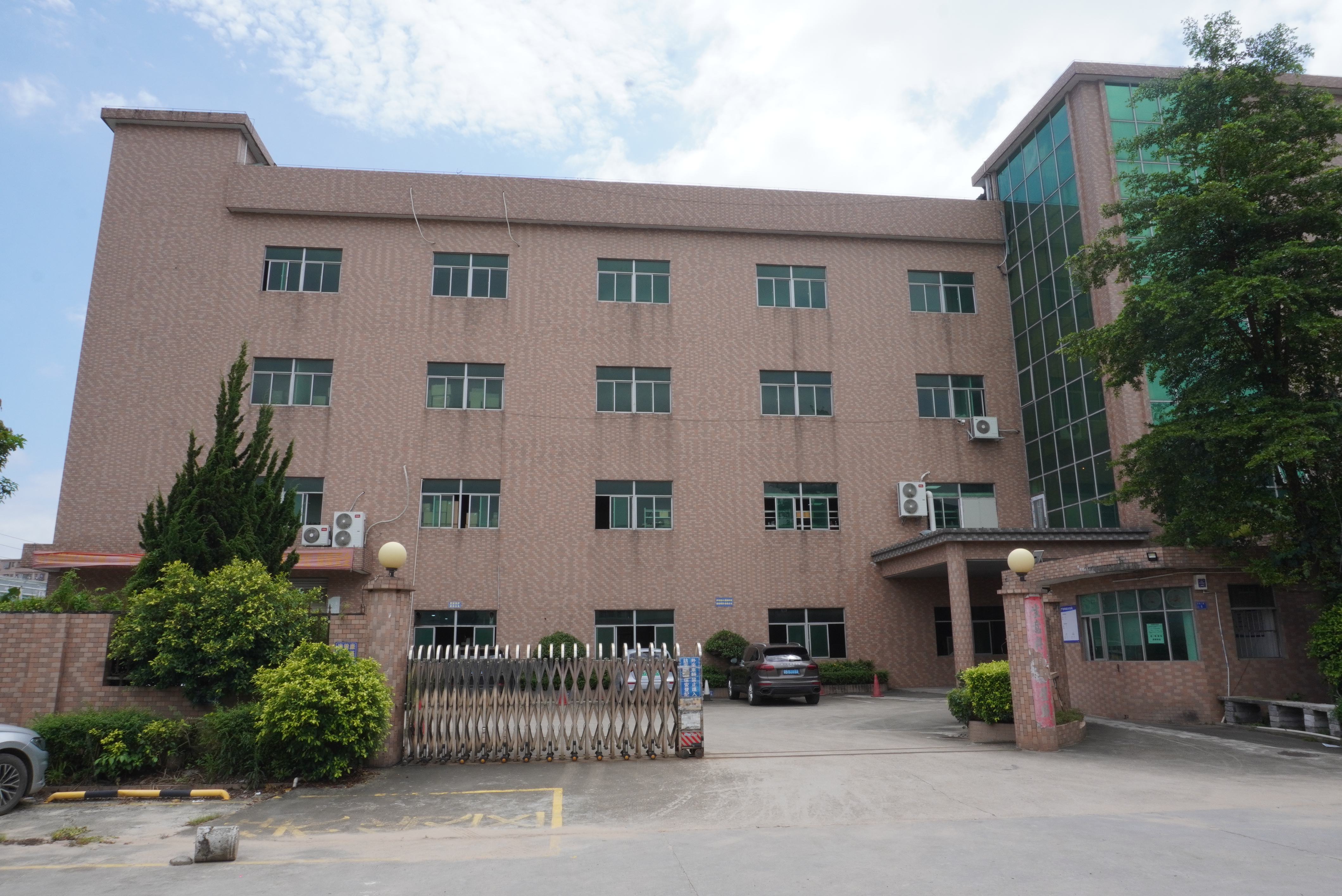
Dongguan Sanlixin Plastic Technology Co.,Ltd
Shenzhen Sanlixin Technology Co., Ltd. and Dongguan Sanlixin Plastic Technology Co., Ltd. is a manufacturer integrating precision plastic mold design, mold opening, single (double) color injection molding, IML injection molding processing, producing various single (double) color, IML process high-end appearance decorative structural parts, two-color buttons, USB dust plugs, panels and other plastic products, providing customers with fast, excellent, Midea all-round service, the company has 15 years of experience in precision plastic mold design, processing and production, with a variety of advanced machine injection molding equipment with excellent quality and fast service to win the trust and strong support of our customers.
Risk Assessment Template for Injection Molding: Enhancing Safety and Efficiency
FRP Product Forming Mold: Essential for Fiber-Reinforced Plastic Manufacturing