Long-Term Cost Risks: Why Mold Maintenance Can’t Be Ignored in Injection Molding
Evaluates tooling complexity’s effect on plastic injection mold cost risks.

Table of Contents
1. Introduction: The Hidden Long-Term Cost Risks of Mold Neglect
- Increased scrap rates (due to poor part quality, such as flash or warping)
- Unplanned downtime (for emergency mold repairs or replacement)
- Higher labor costs (for rushed maintenance or rework)
- Shortened mold lifespan (forcing early replacement, a major capital expense)
2. Risk Assessment Report: The Core Tool for Mitigating Mold Cost Risks
2.1 Definition and Core Objectives of a Mold Risk Assessment Report
- Identify risks (e.g., wear, corrosion, thermal fatigue) that could shorten mold lifespan or disrupt production.
- Quantify the cost of each risk (e.g., \(50,000 for unplanned mold replacement, \)15,000 for a week of downtime).
- Prioritize risks based on severity (likelihood of occurrence × financial impact).
- Recommend maintenance actions to mitigate high-priority risks.
- Project the total cost of ownership (TCO) of the mold, including maintenance, repairs, and replacement.
2.2 Key Components of an Effective Risk Assessment Report
A. Mold Profile
- Basic information: Mold ID, design complexity (e.g., number of cavities, undercuts), material (e.g., P20 steel, H13 steel), and age.
- Usage metrics: Total number of cycles run, average cycles per week, and operating conditions (e.g., temperature, pressure).
- Past performance: History of failures, maintenance records, and scrap rates associated with the mold.
B. Risk Identification and Analysis
- Wear: Caused by abrasive materials (e.g., glass-filled polymers) or high injection pressures.
- Corrosion: From moisture in the resin or corrosive additives (e.g., flame retardants).
- Thermal fatigue: Cracks from repeated heating and cooling cycles (common in high-temperature processes).
- Parting line damage: Leading to flash and increased scrap.
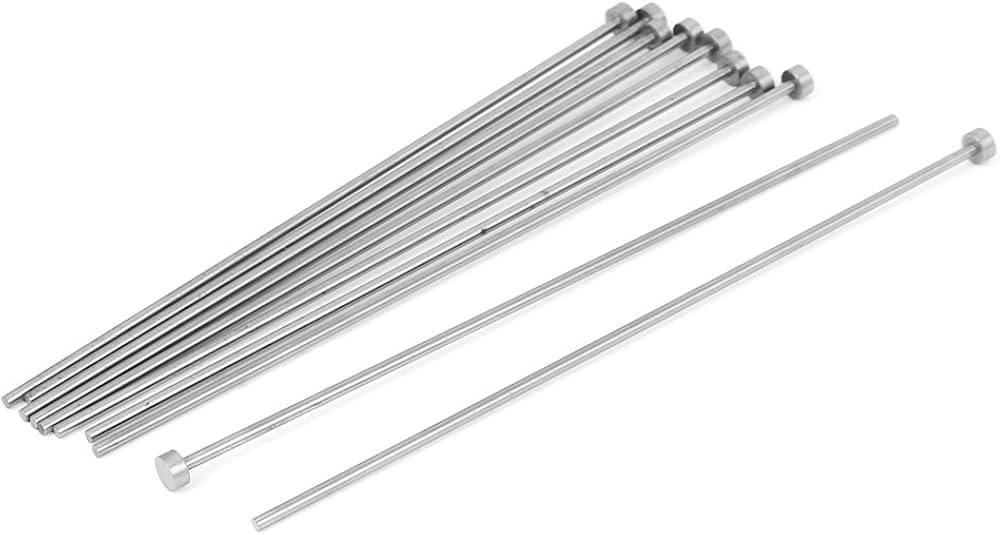
- Ejector pin failure: Caused by misalignment or excessive force.
|
Risk Type
|
Likelihood (1–5, 5 = High)
|
Financial Impact (1–5, 5 = High)
|
Risk Score (Likelihood × Impact)
|
Priority (High/Medium/Low)
|
|
Abrasive Wear
|
4
|
5
|
20
|
High
|
|
Corrosion
|
2
|
3
|
6
|
Medium
|
|
Thermal Fatigue
|
3
|
4
|
12
|
High
|
|
Parting Line Damage
|
3
|
2
|
6
|
Medium
|
C. Cost Projection
- Proactive maintenance: Costs of scheduled inspections, cleaning, and minor repairs.
- Reactive maintenance: Costs of unplanned downtime, emergency repairs, scrap, and early replacement.
- Proactive maintenance: \(5,000/year for inspections and minor repairs, mold lifespan of 5 years (TCO = \)25,000 + initial mold cost of \(50,000 = \)75,000).
- Reactive maintenance: \(12,000/year for emergency repairs, 3-year mold lifespan (TCO = \)36,000 + \(50,000 + \)40,000 in downtime costs = $126,000).
D. Maintenance Recommendations
- Frequency of inspections (e.g., weekly visual checks, monthly detailed audits).
- Specific tasks (e.g., cleaning cooling channels, replacing wear plates, polishing cavities).
- Responsible teams (e.g., in-house maintenance, third-party specialists).
- Budget estimates for each task.
2.3 How Risk Assessment Reports Prevent Cost Escalation
- Early Risk Detection: By identifying risks (e.g., incipient corrosion) before they cause failures, reports allow for low-cost preventive actions instead of high-cost repairs. For example, cleaning a mold’s cooling channels to prevent thermal fatigue costs \(500, but replacing a cracked mold cavity costs \)5,000.
- Data-Driven Budgeting: Reports provide accurate projections of maintenance costs, allowing businesses to allocate budgets strategically. Without this, companies often underfund maintenance, leading to unexpected expenses that disrupt cash flow.
- Optimized Mold Lifespan: By aligning maintenance with the mold’s specific needs (e.g., more frequent servicing for molds used with abrasive materials), reports extend mold lifespan. A 20% extension in lifespan for a \(100,000 mold saves \)20,000 in replacement costs.
3. Impact of Different Materials on Mold Costs: A Comparative Analysis
3.1 Common Injection Molding Materials and Their Mold-Related Characteristics
|
Material Type
|
Abrasiveness (1–5, 5 = High)
|
Corrosiveness (1–5, 5 = High)
|
Typical Processing Temperature (°C)
|
Key Mold Impact
|
|
Polypropylene (PP)
|
1
|
1
|
180–240
|
Minimal wear; low maintenance needs
|
|
Polycarbonate (PC)
|
2
|
1
|
260–320
|
High temperature causes thermal fatigue
|
|
Nylon 66 (PA66)
|
2
|
2
|
250–300
|
Moderate wear; absorbs moisture (risk of corrosion)
|
|
PA66 + 30% Glass Fiber
|
4
|
2
|
260–320
|
High abrasion; accelerates cavity wear
|
|
Polyoxymethylene (POM)
|
3
|
3
|
180–220
|
Moderate abrasion; releases formaldehyde (corrosive)
|
|
Acrylonitrile Butadiene Styrene (ABS)
|
1
|
1
|
220–280
|
Low wear; minimal maintenance
|
Key Observations:
- Abrasiveness: Glass-filled materials (e.g., PA66 + 30% glass fiber) are the most damaging to molds. The glass particles act like sandpaper, wearing down cavity surfaces, gates, and ejector pins over time.
- Corrosiveness: Materials like POM release corrosive byproducts during processing, while hygroscopic materials (e.g., PA66) absorb moisture, leading to rust in mold cooling channels.
- Thermal Demands: High-temperature materials (e.g., PC) subject molds to repeated thermal stress, increasing the risk of cracks and fatigue.
3.2 Quantitative Comparison: Material Properties vs. Mold Maintenance Costs
|
Material Type
|
Annual Maintenance Cost (USD)
|
Mold Lifespan (Million Cycles)
|
Cost per Million Cycles (USD)
|
|
PP
|
$3,200
|
2.5
|
$1,280
|
|
ABS
|
$3,500
|
2.4
|
$1,458
|
|
PC
|
$5,800
|
1.8
|
$3,222
|
|
PA66
|
$6,100
|
1.6
|
$3,812
|
|
POM
|
$7,300
|
1.4
|
$5,214
|
|
PA66 + 30% Glass Fiber
|
$12,500
|
0.9
|
$13,888
|
Key Takeaways:
- Cost Disparity: Molds used with PA66 + 30% glass fiber have 3.9x higher annual maintenance costs and 2.8x shorter lifespans than molds used with PP.
- Thermal vs. Abrasive Costs: PC’s high maintenance costs stem from thermal fatigue (e.g., cracked cavities), while PA66 + glass fiber’s costs come from abrasion (e.g., worn gates).
- Total Cost of Ownership: For a mold running 500,000 cycles per year, a PP mold would cost \(6,400 over 5 years (2.5 million cycles), while a PA66 + glass fiber mold would cost \)69,440 (0.9 million cycles + 2 replacements).
3.3 Case Example: Cost Differences in Molds for PP vs. PA66+Glass Fiber
- A PP-based detergent tray (low-stress, non-abrasive application).
- A PA66 + 30% glass fiber-based washing machine drum (high-stress, abrasive application).
PP Detergent Tray Mold:
- Annual maintenance: $3,100 (cleaning, minor polishing).
- Scrap rate: 1.2% (low, due to stable mold performance).
- Lifespan: 2.3 million cycles (still in use after 3 years).
- Total 3-year cost: \(45,000 + (\)3,100 × 3) = $54,300.
PA66 + 30% Glass Fiber Drum Mold:
- Annual maintenance: $12,800 (replacing wear plates, resurfacing cavities, repairing ejector pins).
- Scrap rate: 4.5% (high, due to mold wear causing part defects).
- Lifespan: 0.8 million cycles (required replacement after 1.5 years).
- Total 3-year cost: \(45,000 (initial) + \)12,800 (year 1) + \(12,800 (year 2) + \)45,000 (replacement, year 1.5) = $115,600.
Outcome:
- Switched the drum mold material to H13 steel (more abrasion-resistant), increasing initial cost by $15,000 but extending lifespan to 1.5 million cycles.
- Implemented a quarterly maintenance schedule (instead of semi-annual) for the drum mold, reducing annual costs to $9,200.
4. Impact of Manufacturing Processes on Mold Costs: From Traditional to Advanced Techniques
4.1 Traditional Injection Molding: Balancing Cost and Maintenance
Impact on Mold Costs:
- Wear: Low to moderate (depending on material). Molds experience minimal stress, so wear is primarily from material abrasion (not process forces).
- Maintenance Needs: Routine cleaning, lubrication of moving parts (e.g., ejector pins), and occasional polishing of cavities.
- Lifespan: 1–2 million cycles for standard steel molds (P20), 2–3 million cycles for high-grade steel (H13).
- Annual Maintenance Cost: \(3,000–\)6,000 per mold (for materials like PP or ABS).
Advantage:
4.2 High-Speed Injection Molding: Increased Wear and Higher Maintenance Risks
Impact on Mold Costs:
- Wear: High. The high pressure and speed increase friction between the resin and mold surfaces, accelerating wear on gates, runners, and cavities.
- Thermal Stress: High. Fast cycle times mean molds are heated and cooled more frequently, increasing the risk of thermal fatigue (cracks).
- Maintenance Needs: Frequent inspections (weekly), replacement of wear components (e.g., gate inserts) every 100,000–200,000 cycles, and regular resurfacing of cavities.
- Lifespan: 0.5–1 million cycles for P20 steel molds; 1–1.5 million cycles for H13 steel.
- Annual Maintenance Cost: \(8,000–\)15,000 per mold (even for non-abrasive materials like PP).
Example:
4.3 Micro-Injection Molding: Precision-Driven Mold Costs and Maintenance Demands
Impact on Mold Costs:
- Precision Wear: High. Even minor wear (e.g., 0.005 mm on a cavity surface) can render parts out of specification, requiring frequent polishing and calibration.
- Maintenance Complexity: High. Molds have tiny components (e.g., micro-ejector pins) that are difficult to service; maintenance often requires specialized tools and third-party experts.
- Lifespan: 0.3–0.8 million cycles (due to precision demands), even for high-grade steel.
- Annual Maintenance Cost: \(10,000–\)20,000 per mold (due to specialized labor and parts).
Challenge:
4.4 Gas-Assisted Injection Molding: Complexity and Long-Term Cost Implications
Impact on Mold Costs:
- Complexity: High. GAIM molds require additional components (e.g., gas nozzles, pressure sensors) that increase initial cost and maintenance needs.
- Leak Risks: High. Gas nozzles and seals can wear or degrade, leading to gas leaks that cause part defects (e.g., incomplete hollowing) and increased scrap.
- Maintenance Needs: Regular inspection of gas nozzles and seals (monthly), cleaning of gas channels (quarterly), and calibration of pressure sensors (semi-annually).
- Lifespan: 0.8–1.2 million cycles (due to additional components), 20–30% shorter than traditional molds for the same part.
- Annual Maintenance Cost: \(7,000–\)12,000 per mold (plus \(2,000–\)3,000 for gas system maintenance).
Example:
4.5 Process Comparison Table: Maintenance Costs and Mold Lifespan
|
Process Type
|
Injection Pressure (MPa)
|
Cycle Time (Seconds)
|
Annual Maintenance Cost (USD)
|
Mold Lifespan (Million Cycles)
|
Cost per Million Cycles (USD)
|
|
Traditional
|
80–120
|
10–60
|
$3,500
|
2.2
|
$1,590
|
|
High-Speed
|
120–200
|
3–10
|
$10,200
|
0.7
|
$14,571
|
|
Micro-Injection
|
80–150
|
5–20
|
$15,800
|
0.5
|
$31,600
|
|
Gas-Assisted (GAIM)
|
80–150
|
15–45
|
$9,800
|
1.0
|
$9,800
|
Key Insight:
5. Real-World Case Studies: The Cost of Ignoring Risk Assessment and Maintenance
5.1 Case 1: Automotive Supplier’s $200k Loss Due to Unplanned Mold Replacement
- Frequent unplanned downtime: Molds failed every 6–8 months, causing production halts of 3–5 days each (costing $8,000/day in lost revenue).
- High scrap rates: Worn molds produced 7–9% defective parts, requiring \(5,000–\)7,000 in rework per month.
- Early mold replacement: Molds lasted only 0.6 million cycles (instead of the expected 1.0 million), forcing replacements every 12–15 months.
- Unplanned downtime: 10 molds × 2 failures × 4 days × \(8,000/day = \)640,000.
- Scrap/rework: \(6,000/month × 24 months = \)144,000.
- Early replacement: 10 molds × 1 extra replacement × \(60,000 = \)600,000.
- Total 2-year loss: \(640,000 + \)144,000 + \(600,000 = \)1,384,000.
- The high-speed process (180 MPa pressure) combined with abrasive PA66 + glass fiber accelerated wear on cavity surfaces and ejector pins.
- Maintenance was scheduled based on time (semi-annually) rather than usage (cycles), leading to missed early warning signs of wear.
- The mold’s cooling system was not cleaned regularly, causing thermal fatigue and cracks.
5.2 Case 2: Electronics Manufacturer Cuts Annual Costs by 35% with Risk-Assessed Maintenance
- Cycle count tracking (to schedule maintenance based on usage, not time).
- Precision measurements (using laser scanning to detect 0.001 mm wear on cavities).
- Material-process-mold matching (optimizing temperature and pressure to reduce stress).
- Scheduled cavity resurfacing every 80,000 cycles (instead of 120,000), reducing scrap rates.
- Replaced ejector pins with tungsten carbide (more wear-resistant) for $2,000 per mold, extending pin lifespan by 300%.
- Optimized cooling system cleaning (monthly instead of quarterly), reducing thermal fatigue.
- Maintenance costs: Reduced from \(18,000/year to \)11,700/year per mold (35% cut).
- Scrap rates: Dropped from 5.5% to 1.2%, saving $9,000/month in rework.
- Mold lifespan: Extended from 0.4 million to 0.7 million cycles, reducing replacements by 43%.
- Annual savings: (15 molds × \(6,300) + (\)9,000 × 12) = \(94,500 + \)108,000 = $202,500.
6. Best Practices: Integrating Risk Assessment Reports into Mold Maintenance Strategies
6.1 Scheduling Regular Risk Assessments: Frequency and Timing
- Material abrasiveness: Molds used with abrasive materials (e.g., PA66 + glass fiber) need monthly assessments. Non-abrasive materials (e.g., PP) can be assessed quarterly.
- Process stress: High-speed or micro-injection molds require bi-weekly to monthly assessments. Traditional molds can be assessed quarterly.
- Mold age: New molds (first 6 months) need monthly assessments to establish baseline performance. Older molds (over 1 year) may need more frequent assessments if wear is accelerating.
Recommended Schedule (Based on Material and Process):
|
Material/Process Combination
|
Assessment Frequency
|
|
PP + Traditional
|
Quarterly
|
|
ABS + Traditional
|
Quarterly
|
|
PC + Traditional
|
Monthly
|
|
PA66 + High-Speed
|
Monthly
|
|
PA66 + Glass Fiber + High-Speed
|
Bi-weekly
|
|
LCP + Micro-Injection
|
Bi-weekly
|
|
PP + GAIM
|
Monthly
|
Timing Tip:
6.2 Using Assessment Data to Prioritize Maintenance Tasks
- Categorize Risks: Group risks into high, medium, and low priority based on the risk score (likelihood × impact).
-
- High priority: Risks with scores ≥12 (e.g., abrasive wear on a high-speed mold). These require immediate action (e.g., replacing wear plates within a week).
-
- Medium priority: Risks with scores 6–11 (e.g., minor corrosion on a traditional mold). These can be scheduled within 2–4 weeks.
-
- Low priority: Risks with scores ≤5 (e.g., slight surface polishing needs). These can be addressed during the next regular maintenance cycle.
- Allocate Budget Based on Priority: Direct 70–80% of the maintenance budget to high-priority tasks. For example, if a mold has both high-priority wear (needs \(5,000 in repairs) and low-priority polishing (needs \)500), fund the wear repairs first.
- Track Task Completion: Use a maintenance management system (e.g., CMMS software) to track progress on high-priority tasks. Follow up with the maintenance team to ensure deadlines are met.
Example:
- Abrasive wear on cavity surfaces (risk score = 20, high priority).
- Minor corrosion in cooling channels (risk score = 6, medium priority).
- Surface scratches on non-critical areas (risk score = 3, low priority).
6.3 Training Teams to Interpret and Act on Risk Assessment Reports
1. Basic Training for Maintenance Technicians
- Goal: Teach technicians to read risk matrices, identify high-priority risks, and perform recommended tasks.
- Content:
-
- How to interpret mold condition data (e.g., wear measurements, cycle counts).
-
- How to use the risk matrix to prioritize tasks.
-
- Step-by-step guides for common maintenance actions (e.g., replacing wear plates, cleaning cooling channels).
- Format: Hands-on workshops (2–3 days) with real molds and sample reports.
2. Advanced Training for Maintenance Managers
- Goal: Teach managers to analyze cost projections, optimize maintenance budgets, and update risk assessments.
- Content:
-
- How to calculate TCO for molds (initial cost + maintenance + replacement).
-
- How to adjust maintenance schedules based on changing conditions (e.g., material switches, process tweaks).
-
- How to use risk data to justify budget requests (e.g., “We need \(10,000 for tungsten carbide pins to avoid \)50,000 in unplanned downtime”).
- Format: Online courses (4–6 hours) plus one-on-one coaching with a mold engineering expert.
3. Cross-Training for Production Teams
- Goal: Teach production operators to spot early warning signs of mold issues (e.g., flash, part warping) and report them to maintenance.
- Content:
-
- How to identify visual signs of mold wear or damage.
-
- How to log issues in the maintenance system.
-
- The impact of ignoring small issues (e.g., “A small gate wear can lead to 5% scrap rates”).
- Format: 1-hour weekly meetings with maintenance technicians.
Example of Training Impact:
7. Conclusion: Making Mold Maintenance a Long-Term Cost-Saving Investment
- Risk assessment reports are non-negotiable: They transform reactive maintenance into proactive cost management by identifying risks early, quantifying their impact, and providing actionable recommendations. A well-executed report can reduce maintenance costs by 25–35% and extend mold lifespan by 20–40%.
- Materials and processes drive costs: Abrasive materials (e.g., PA66 + glass fiber) and high-stress processes (e.g., high-speed injection) increase maintenance costs and shorten mold lifespan. A risk assessment report helps businesses balance material/process needs with mold cost management (e.g., using H13 steel for abrasive materials).
- Proactive maintenance is cheaper than reactive: The cost of a \(500 preventive repair (e.g., cleaning cooling channels) is a fraction of the \)5,000 emergency repair (e.g., replacing a cracked cavity) or $10,000 in downtime costs that it avoids.
- Training is critical: Even the best risk assessment report is useless if teams can’t interpret or act on it. Training maintenance, management, and production teams ensures that risk data drives decisions.
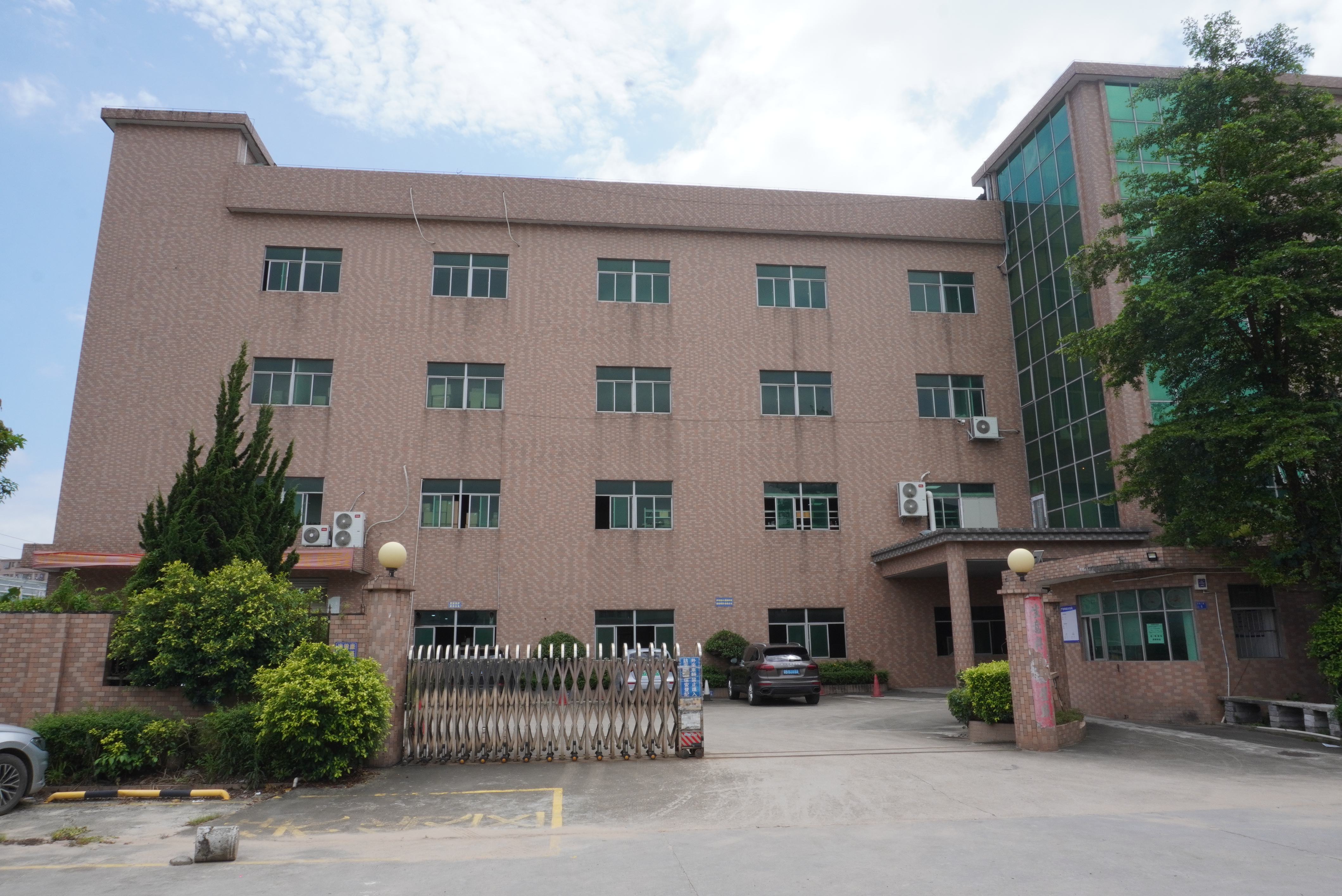
Dongguan Sanlixin Plastic Technology Co.,Ltd
Shenzhen Sanlixin Technology Co., Ltd. and Dongguan Sanlixin Plastic Technology Co., Ltd. is a manufacturer integrating precision plastic mold design, mold opening, single (double) color injection molding, IML injection molding processing, producing various single (double) color, IML process high-end appearance decorative structural parts, two-color buttons, USB dust plugs, panels and other plastic products, providing customers with fast, excellent, Midea all-round service, the company has 15 years of experience in precision plastic mold design, processing and production, with a variety of advanced machine injection molding equipment with excellent quality and fast service to win the trust and strong support of our customers.
Core premise of quotation: clarify "for whom the mold serves"
Material Price Volatility: The Silent Threat to Plastic Injection Mold Cost Control