Reaction Injection Molding: Processes, Materials, and Applications
What is Reaction Injection Molding (RIM)?
Reaction Injection Molding Process
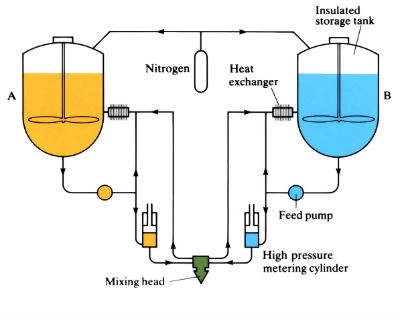
RIM molding is a low-pressure plastic molding process. It uses two storage tanks for the storage of low-viscosity polymers. Then, a pressurized pump is used to transfer a mixture of the two polymer liquids into a mold with a predetermined cavity shape. The mixing of the two polymers inside the injection mold causes a chemical reaction that generates heat and forms thicker components.
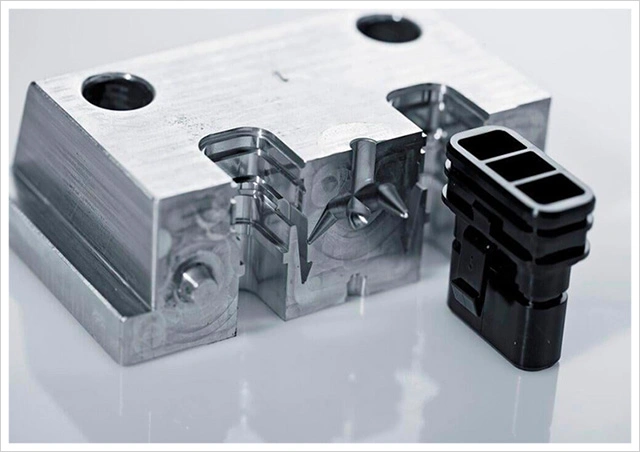
Reaction Injection Molds & Components
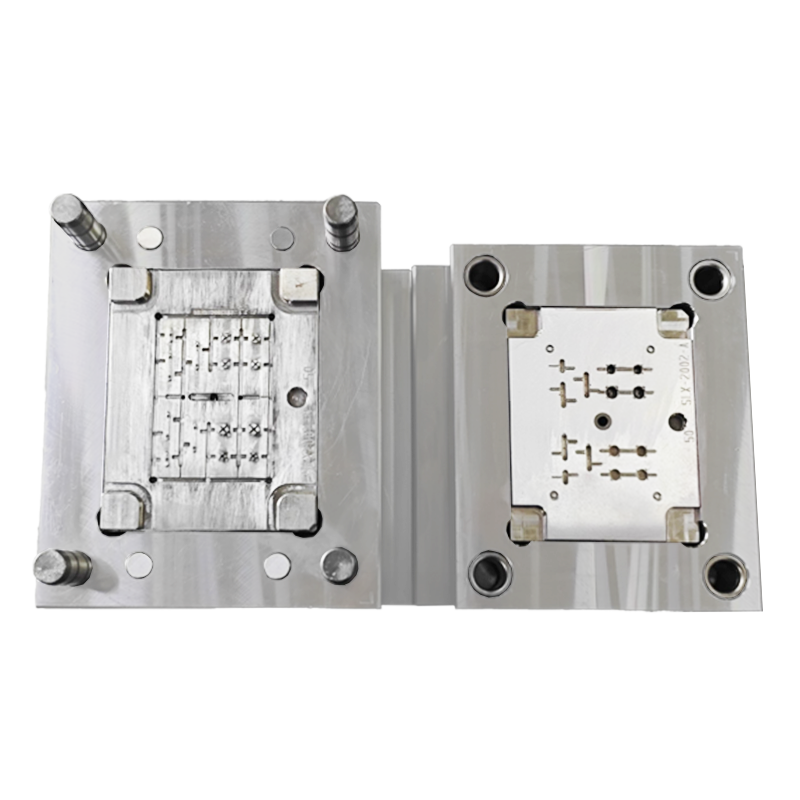
The mixing of polymer liquids is critical to the quality of the final part. As a result, the mixing chamber operates at high pressure. At the same time, some additives, such as fiber reinforcements, are added according to the structural requirements. In addition, the low injection pressure ( 0.5~10 MPa pressure helps to foam during curing.
How is RIM molding different from standard injection molding?
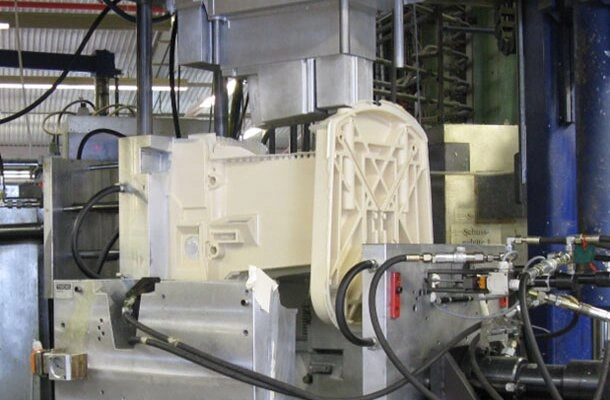
Reaction injection molded parts
First, the RIM molding process involves two or more reactive liquid materials, while standard injection molding involves injecting the material in a molten form without any mixing or similar mechanisms. Second, polymerization can produce closed-cell foam-structured items with unique properties. Thirdly, the injection pressure of injection molding can be as high as 100MPa. The pressure of reaction injection molding does not exceed 10 Mpa.
RIM molding process
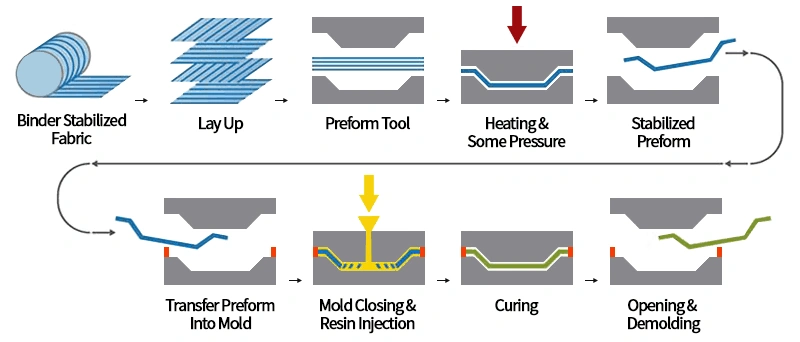
Steps in the RIM process
1.Reactant preparation
First, the liquid polymer (usually polyols and isocyanates) is stored in two separate tanks to avoid premature reactions. The main concern of this step is to maintain the temperature and pressure of the liquid inside the tank. Temperature fluctuations can affect viscosity and thus the molding process.
2.Homogenize and mi
Material mixing in the RIM process
The next step is to prepare a homogeneous mixture so that the parts are consistent for each production cycle. It involves pumping the liquid from two tanks into a high-pressure mixing head chamber. In addition, a metering system connected to this chamber exists to maintain a definite ratio of the two liquids.
3.Injection and polymerization
Next, the mixed reactants are injected into the mold cavity. The mixture then fills the entire mold and captures all the intricate details of the mold design. At the same time, the reactants undergo a chemical reaction inside the mold, which is called the polymerization process. Polymerization causes the material to swell and solidify.
4.vulcanization
Mold curing is critical to achieving full polymerization and final performance. The curing time depends on the injection molding material used and the desired properties of the final product. The state-of-the-art RIM system uses sensors and feedback loops to monitor the curing process in real-time, so operators can make adjustments as needed to maintain optimal conditions.
5.Release
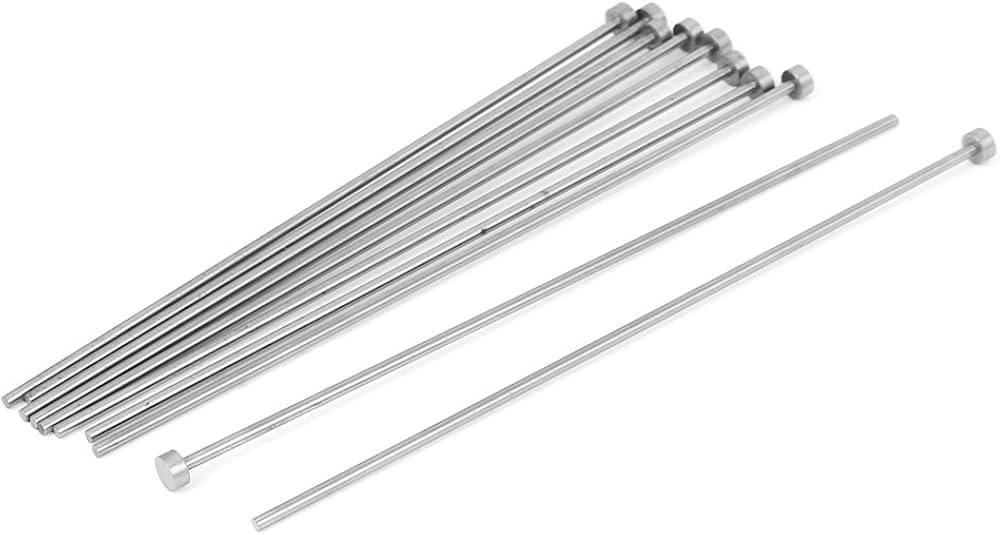
Once cured, the mold is opened and gently removed using a thimble or automated system. Subsequently, the ejected parts are subjected to post-processing such as trimming, grinding or polishing to achieve the required tolerances and finished product quality.
Reaction injection molding materials
RIM primarily utilizes polyols and isocyanate mixtures, known as polyurethanes. Its excellent flexibility, impact resistance, and durability have made it popular. In addition, it can be formulated to be rigid or flexible.Other materials and their respective properties include;
- Epoxy resins: high mechanical strength, excellent adhesion, good chemical resistance.
- Silicone materials: biocompatible, heat resistant and flexible.
- Polyurea: Fast curing time, strong abrasion and chemical resistance.
- Nylon: High tensile strength, excellent abrasion resistance, good chemical stability.
- Composites: Reinforced materials, such as glass or carbon fiber, to increase strength and stiffness.
Reaction Injection Molding Applications
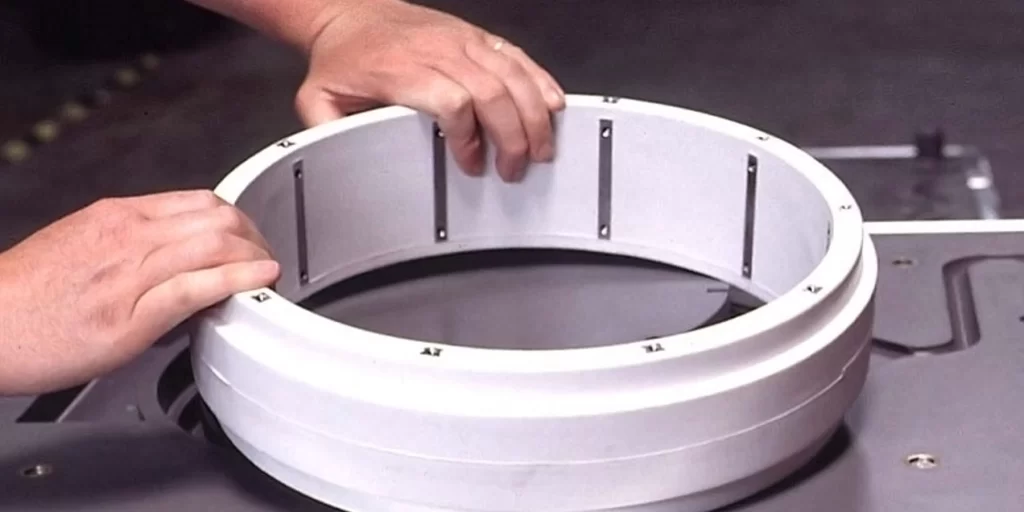
RIM applications
The flexibility and final properties of reaction molding make it a prominent manufacturing technology in various fields such as automotive, industrial plants, aerospa+ce, medical, consumer goods, and more. In addition, it has the ability to form thicker parts and parts of different thicknesses.
Table: RIM Molding Applications
|
Industrial applications |
apply |
|
Car |
Bumpers, fenders, door panels, dashboard components, seat bases, etc. |
|
Aerospace |
Aircraft furniture, interior panels, pallet tables, etc. |
|
Medical industry |
Enclosures for diagnostic equipment, medical furniture, cart panels, etc. |
|
Electronics industry |
Enclosures and enclosures for many electronics, camera bodies, etc. |
|
Industrial equipment |
Tool handles, valve bodies, protective covers, control panel housings, motor covers, etc. |
|
Discover the product |
Helmet shells, surfboard fins, kayak seats, padding, etc. |
Advantages of Reaction Injection Molding:
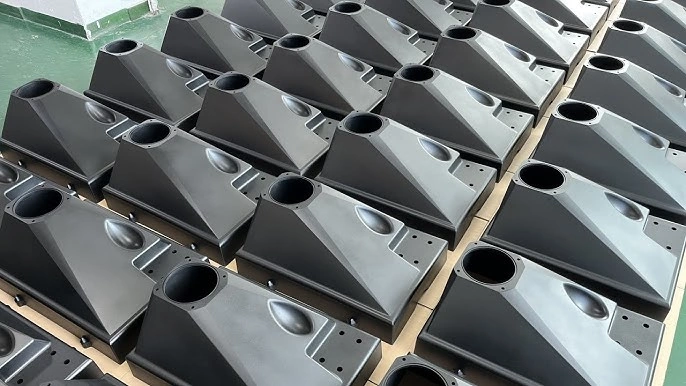
Smooth surface RIM plastic parts
- Compared to other plastic or metal molds, this process allows for the creation of lightweight parts with superior strength and impact resistance.
- By adding reinforcing fillers, the final performance can be customized.
- Reaction molding enables geometries with varying thicknesses.
- The low-heat nature of reaction injection molding does not require expensive molds and often uses custom aluminum molds, which are less expensive than steel or other types of molds.
- RIM molded parts are easy to paint and achieve a high-gloss finish.
- Any metal or other inserts can be added during the RIM molding process, enabling a variety of multi-material components.
Disadvantages of Reaction Injection Molding
- Material costs (polyols and isocyanates) are higher than other thermoplastics used in standard injection molding. As a result, the overall injection molding cost can increase.
- There are fewer material compatibility options for reaction injection molding, and only a few polymers can be react molded.
- Production cycle time is comparatively longer than other plastic molding technologies.
Summing up
For large and thicker plastic parts, reaction injection molding is preferred over standard processes. Its ability to foam parts during the polymerization process and tailor the final properties by adding reinforcing fillers makes it an indispensable process in the manufacture of plastic parts. However, slight deviations and errors in the mixing process or molding parameters can seriously affect the quality of the final result.
Therefore, proper polymer mixing ratios and temperature and pressure control are key to achieving high-quality RIM molded parts and products. ProleanTech has all the engineering expertise and state-of-the-art injection molding plants to meet your requirements and expectations. We mold more than 50 materials, no matter which variant you want, RIM, Insert, Overmold, or any other. You can utilize injection molding services to help with your business development or research projects. Please send us your design and request a quote and we will get back to you!
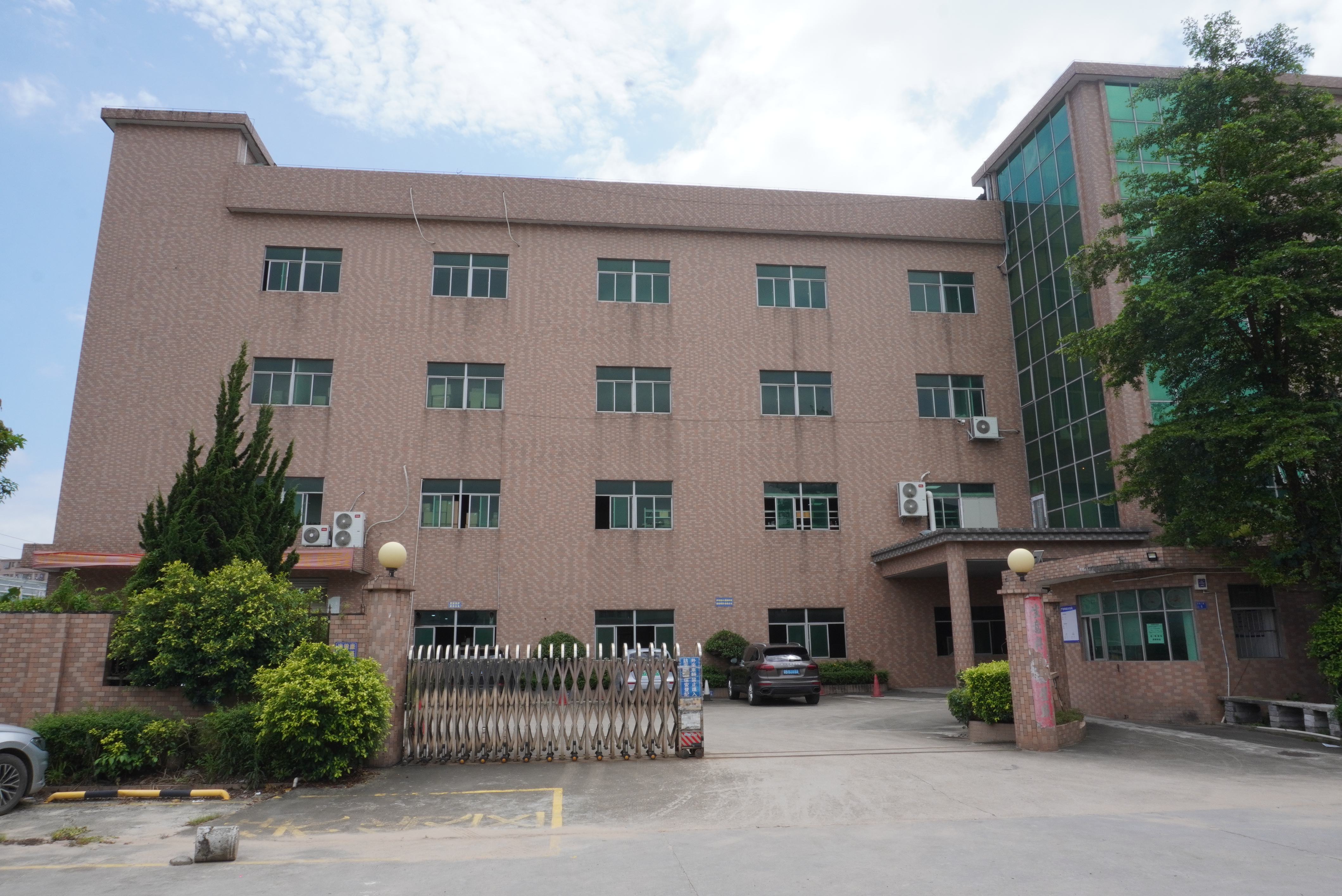
Dongguan Sanlixin Plastic Technology Co.,Ltd
Shenzhen Sanlixin Technology Co., Ltd. and Dongguan Sanlixin Plastic Technology Co., Ltd. is a manufacturer integrating precision plastic mold design, mold opening, single (double) color injection molding, IML injection molding processing, producing various single (double) color, IML process high-end appearance decorative structural parts, two-color buttons, USB dust plugs, panels and other plastic products, providing customers with fast, excellent, Midea all-round service, the company has 15 years of experience in precision plastic mold design, processing and production, with a variety of advanced machine injection molding equipment with excellent quality and fast service to win the trust and strong support of our customers.
How to Do CNC Chamfering and Its Impact on Machining Costs
Polypropylene Injection Molding: A Comprehensive Overview