Rapid Prototype Injection Molding: Revolutionizing Product Development in 2025
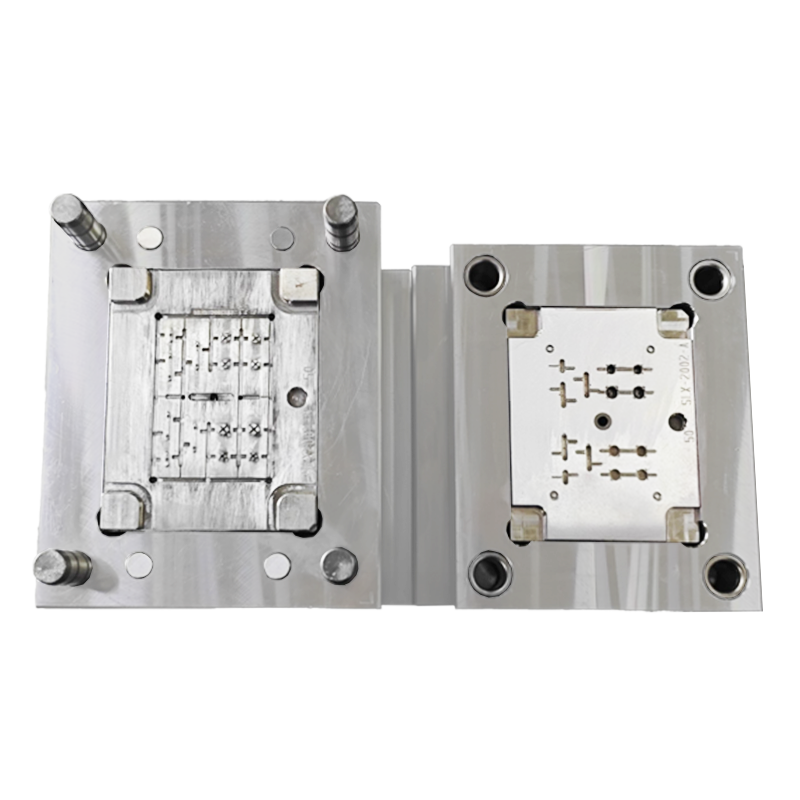
Rapid prototype injection molding delivers high-fidelity plastic prototypes with production-grade material properties, cutting down development cycles and enabling quick validation of design concepts before mass manufacturing.
Table of Contents
1. Introduction
2. What is Rapid Prototype Injection Molding?
3. The Importance of Rapid Prototype Injection Molding in the Industry
3.1 Accelerating Time-to-Market
3.2 Reducing Development Risks
3.3 Enhancing Collaboration and Innovation
4. Key Advantages of Rapid Prototype Injection Molding
-
High Precision and Accuracy: Rapid prototype injection molding produces prototypes with tight tolerances and detailed features, closely matching the dimensional accuracy of mass-produced parts. This ensures that the prototype behaves like the final product during testing.
-
Wide Material Selection: Unlike some other prototyping methods, rapid prototype injection molding supports a broad range of thermoplastics, including ABS, polypropylene, nylon, and PC. This allows developers to choose the material that best matches the mechanical properties (strength, flexibility, heat resistance) of the final product.
-
Cost-Effective for Low-Volume Prototyping: While traditional injection molding is expensive for small batches, rapid prototype injection molding uses low-cost tooling, making it economical for producing small to medium quantities of prototypes. This is ideal for testing multiple design iterations or creating samples for market research.
-
Functional Prototypes: The prototypes produced are fully functional, meaning they can be subjected to real-world testing, such as stress tests, impact tests, and environmental tests. This provides valuable data on the product’s performance and durability.
-
Scalability: Once the prototype is finalized and approved, the same design and tooling (with minor modifications if needed) can be scaled up for mass production. This seamless transition from prototyping to production saves time and reduces the risk of design discrepancies.
5. Rapid Prototype Injection Molding vs. Other Prototyping Methods: A Comparative Analysis
|
Prototyping Method
|
Speed
|
Cost (Low-Volume)
|
Precision
|
Material Diversity
|
Functionality
|
|---|---|---|---|---|---|
|
Rapid Prototype Injection Molding
|
Fast (Days to Weeks)
|
Moderate
|
High (Tight Tolerances)
|
Wide (Thermoplastics)
|
High (Fully Functional)
|
|
CNC Machining
|
Moderate (Weeks)
|
High (Especially for Complex Parts)
|
Very High
|
Moderate (Metals, Plastics)
|
High
|
|
3D Printing (FDM/SLA)
|
Very Fast (Hours to Days)
|
Low
|
Moderate to High
|
Limited (Specialty Filaments/Resins)
|
Low to Moderate (Not Always Suitable for Mechanical Testing)
|
|
Vacuum Casting
|
Moderate (Days to Weeks)
|
Low to Moderate
|
Moderate
|
Moderate (Urethanes, Silicones)
|
Moderate (Good for Aesthetics, Less for High-Stress Testing)
|
6. Common Applications of Rapid Prototype Injection Molding
6.1 Automotive Industry
6.2 Medical Device Industry
6.3 Consumer Electronics
6.4 Industrial Equipment
7. Factors to Consider When Choosing Rapid Prototype Injection Molding
-
Design Complexity: While rapid prototype injection molding can handle complex designs, it’s important to work with a manufacturer that has experience in designing tooling for intricate parts to avoid issues like draft angles or undercuts.
-
Material Selection: Choose a material that matches the mechanical properties of the final product. Consider factors such as strength, flexibility, heat resistance, and chemical resistance.
-
Volume Requirements: Determine the number of prototypes needed. Rapid prototype injection molding is cost-effective for small to medium volumes (typically 10 to 1000 parts). For very low volumes (fewer than 10 parts), 3D printing may be a more economical option.
-
Lead Time: Communicate your timeline expectations with the manufacturer. While rapid prototype injection molding is fast, lead times can vary depending on the complexity of the part and the manufacturer’s capacity.
-
Manufacturer Expertise: Choose a reputable manufacturer with experience in rapid prototype injection molding. Look for a company that offers design support, material selection guidance, and quality testing to ensure the best results.
8. Conclusion

Dongguan Sanlixin Plastic Technology Co.,Ltd
Shenzhen Sanlixin Technology Co., Ltd. and Dongguan Sanlixin Plastic Technology Co., Ltd. is a manufacturer integrating precision plastic mold design, mold opening, single (double) color injection molding, IML injection molding processing, producing various single (double) color, IML process high-end appearance decorative structural parts, two-color buttons, USB dust plugs, panels and other plastic products, providing customers with fast, excellent, Midea all-round service, the company has 15 years of experience in precision plastic mold design, processing and production, with a variety of advanced machine injection molding equipment with excellent quality and fast service to win the trust and strong support of our customers.
The Ultimate Guide to Injection Mold Parts: Why They Are Indispensable in Manufacturing
3D Printed Molds: Revolutionizing Manufacturing with Speed, Flexibility, and Cost-Efficiency