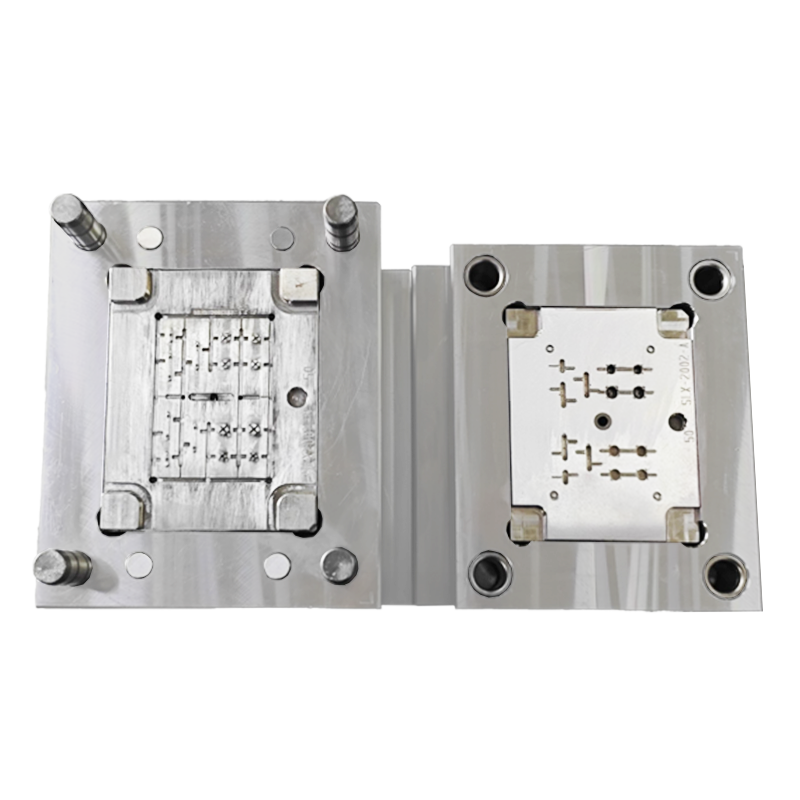
Prototype Injection Molding: Why Plastic Mold Polishing Is a Game-Changer for Precision Prototypes
Prototype injection molding enables rapid production of low-volume plastic prototypes with precise dimensions, mimicking final production parts to test form, fit, and function efficiently.
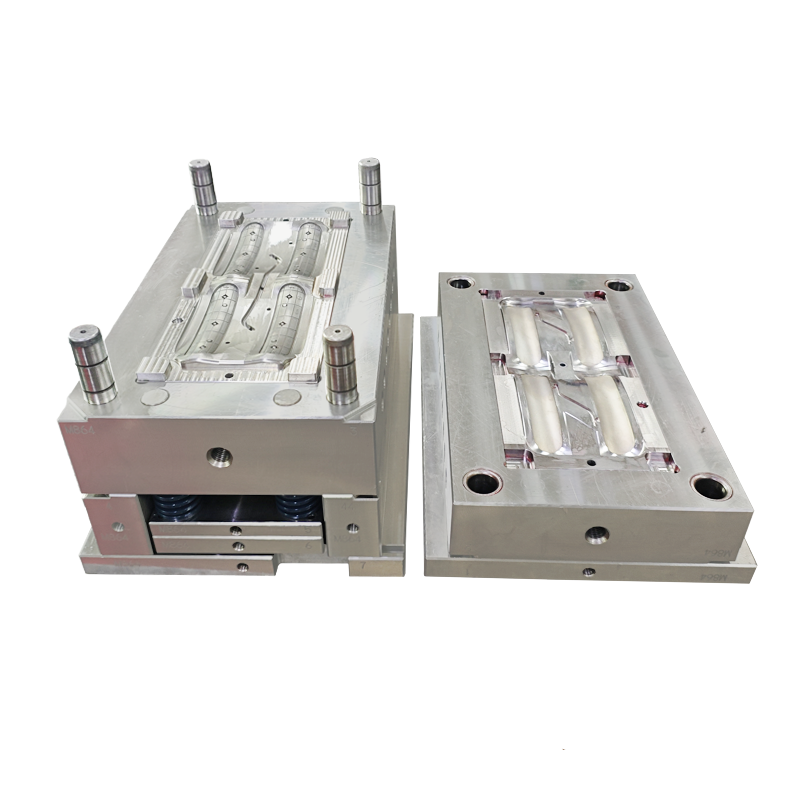
Table of Contents
- 1. Introduction to Prototype Injection Molding
- 2. The Critical Role of Plastic Mold Polishing in Prototype Injection Molding
- 3. Core Advantages of Plastic Mold Polishing
- 4. Plastic Mold Polishing vs. Other Mold Materials/Finishes
- 5. Real-World Applications of Plastic Mold Polishing in Prototyping
- 6. Conclusion
H2: 1. Introduction to Prototype Injection Molding
H2: 2. The Critical Role of Plastic Mold Polishing in Prototype Injection Molding
H2: 3. Core Advantages of Plastic Mold Polishing
H3: 3.1 Superior Surface Finish Quality
H3: 3.2 Enhanced Mold Durability & Longevity
H3: 3.3 Boosted Production Efficiency
H3: 3.4 Reduced Defect Rates & Consistent Precision
H2: 4. Plastic Mold Polishing vs. Other Mold Materials/Finishes
H3: 4.1 Plastic Polished Molds vs. Silicone Molds
- Silicone Molds: Offer surface roughness of Ra 0.8–1.6 μm (far coarser than polished plastic molds) . They have short lifespans (20–30 shots) and deform easily under high temperatures, leading to inconsistent prototypes. Polishing silicone molds is simple but yields minimal precision gains.
- Plastic Polished Molds: Deliver Ra 0.008–0.4 μm surface finish . They withstand up to 50,000+ shots (depending on material) and maintain dimensional stability, making them ideal for iterative prototyping. Polishing enhances their precision further, outperforming silicone in high-detail applications .
H3: 4.2 Plastic Polished Molds vs. Aluminum Molds
- Aluminum Molds: Can be polished to Ra 0.4–0.8 μm but are prone to scratching and erosion, especially with abrasive resins (e.g., glass-filled nylon) . They have shorter lifespans (10,000–20,000 shots) and require frequent re-polishing, increasing long-term costs.
- Plastic Polished Molds: (Typically made from P20 steel or hardened plastic composites) Offer superior scratch resistance and can be polished to Ra 0.008 μm . They last 3–5x longer than aluminum molds and handle abrasive resins better, reducing maintenance needs .
H3: 4.3 Plastic Polished Molds vs. Unpolished Steel Molds
- Unpolished Steel Molds: Have surface roughness of Ra 1.6–3.2 μm . They cause frequent part sticking, flow lines, and high defect rates (30–40% higher than polished molds) . Their rough surfaces accelerate wear, shortening mold life despite steel’s inherent durability.
- Plastic Polished Molds: Combine steel’s durability with polished precision. Their smooth surfaces reduce friction, extending mold life by 50% and cutting defect rates to <5% . They outperform unpolished steel in both precision and cost-effectiveness for prototyping .
H3: 4.4 Comparative Summary Table
| Feature | Plastic Polished Molds | Silicone Molds | Aluminum Molds | Unpolished Steel Molds |
|---|---|---|---|---|
| Surface Roughness (Ra) | 0.008–0.4 μm | 0.8–1.6 μm | 0.4–0.8 μm | 1.6–3.2 μm |
| Mold Lifespan | 50,000+ shots | 20–30 shots | 10,000–20,000 shots | 30,000–40,000 shots |
| Defect Rate | <5% | 15–20% | 10–15% | 30–40% |
| Polishing Difficulty | Moderate | Easy (low precision) | Moderate (prone to scratching) | High (poor results) |
| Best For | High-precision, iterative prototyping | Low-volume, low-detail prototyping | Fast-cycle, simple prototypes | Industrial parts (non-critical finish) |
H2: 5. Real-World Applications of Plastic Mold Polishing in Prototyping
- Consumer Electronics: Prototypes for phone cases, laptop housings, and wearables require mirror-like finishes to mimic final products. Polished molds ensure consistent surface quality for design approval .
- Medical Devices: Surgical instruments and diagnostic tools need smooth, non-porous surfaces to prevent bacteria buildup. Polished molds meet medical-grade hygiene standards (Ra < 0.2 μm) .
- Automotive Components: Interior trim, dash panels, and sensor housings rely on polished molds to eliminate flow lines and ensure precise fit. Polishing reduces 脱模 force, preventing part deformation .
- Optical Parts: Lenses, light guides, and display components demand ultra-smooth surfaces (Ra < 0.02 μm) for optimal light transmission. Polished molds deliver the precision required for optical performance .
H2: 6. Conclusion

Dongguan Sanlixin Plastic Technology Co.,Ltd
Shenzhen Sanlixin Technology Co., Ltd. and Dongguan Sanlixin Plastic Technology Co., Ltd. is a manufacturer integrating precision plastic mold design, mold opening, single (double) color injection molding, IML injection molding processing, producing various single (double) color, IML process high-end appearance decorative structural parts, two-color buttons, USB dust plugs, panels and other plastic products, providing customers with fast, excellent, Midea all-round service, the company has 15 years of experience in precision plastic mold design, processing and production, with a variety of advanced machine injection molding equipment with excellent quality and fast service to win the trust and strong support of our customers.
Injection Molding Simple Mold: The Unsung Hero of Modern Manufacturing – Advantages & Industry Impact
The Ultimate Guide to Apple Watch Cover Case: Why Plastic Shells & Positioning Parts Dominate the Industry