From Request to Approval: Navigating the Product Quotation Process Seamlessly
Our product quotation delivers clear, itemized pricing with no hidden charges. Tailored to your needs, it includes delivery timelines and volume discounts for transparent planning.
Table of Contents
Introduction: The Critical Role of the Product Quotation Process in Business Operations
Phase 1: Preparing for the Quotation Request
Defining Clear Requirements: Product Specifications and Scope
Identifying Potential Suppliers: Criteria for Selection
- Capability: Does the supplier have the technical expertise, equipment, and production capacity to meet the specifications? For example, a supplier of custom injection-molded parts must have experience with the required materials and machinery.
- Reliability: What is the supplier’s track record for on-time delivery and quality? This can be assessed through references, case studies, or reviews from other customers.
- Cost Competitiveness: While price is not the sole factor, the supplier should offer pricing that aligns with market standards and the organization’s budget.
- Compliance: Does the supplier meet relevant industry regulations, ethical standards, and sustainability practices? For instance, companies committed to carbon neutrality may prioritize suppliers with green manufacturing processes.
- Geographic Location: Proximity can impact shipping costs, lead times, and communication. Local suppliers may offer faster delivery, while international suppliers might provide lower costs but longer lead times.
Gathering Internal Stakeholder Input
Phase 2: Drafting and Sending the Quotation Request (RFQ)
Key Components of an Effective RFQ
- Introduction and Purpose: A brief overview of the organization and the reason for the RFQ (e.g., “We are seeking quotations for 5,000 units of a custom plastic component for our new consumer electronics line”).
- Product Specifications: Detailed technical requirements, including drawings, material specifications, performance standards, and quality certifications (e.g., “Material must be FDA-approved food-grade plastic; see attached CAD drawing for dimensions”).
- Quantity and Delivery Details: The number of units needed, delivery dates, and shipping destination. This may include phased delivery schedules (e.g., “2,000 units by October 1, 2024; 3,000 units by December 1, 2024”).
- Pricing Structure: Instructions on how suppliers should format their pricing (e.g., unit price, total cost, breakdown of labor and materials) and whether taxes, shipping, or other fees are included.
- Terms and Conditions: Payment terms (e.g., net-30), warranty requirements, and liability clauses. For example, “Supplier must provide a 12-month warranty against defects; payment will be made via letter of credit.”
- Evaluation Criteria: How the organization will assess quotations (e.g., “Price: 40%, quality: 30%, delivery time: 20%, supplier reputation: 10%”).
- Submission Instructions: Deadline for responses, contact person for questions, and format (e.g., “Quotations must be submitted by 5:00 PM EST on September 15, 2024, via email to procurement@company.com”).
- Attachments: Supporting documents such as drawings, specifications, or sample product images.
Best Practices for Communicating with Suppliers
- Providing Context: Share relevant background information about the product’s intended use, as this can help suppliers suggest improvements or alternatives. For example, “This component will be used in a child’s toy, so safety and durability are paramount.”
- Encouraging Questions: Allow suppliers to ask clarifying questions within a specified timeframe (e.g., “All questions must be submitted by September 1, 2024”). Address questions in a written FAQ document and share it with all suppliers to ensure transparency.
- Maintaining Consistency: Avoid sharing confidential information with one supplier that isn’t provided to others. This ensures a level playing field and prevents accusations of bias.
- Being Responsive: Reply to supplier inquiries promptly, ideally within 24–48 hours. Delayed responses can extend the quotation timeline and frustrate suppliers.
Setting Realistic Timelines for Responses
- Consider Supplier Workloads: Avoid peak periods (e.g., end-of-quarter) when suppliers may be swamped with requests.
- Align with Internal Deadlines: Ensure that the RFQ response deadline allows enough time for evaluation, negotiation, and approval before the product is needed.
- Build in Buffer Time: Add a few days to the timeline to account for unforeseen delays (e.g., supplier holidays, technical issues).
Phase 3: Receiving and Initial Review of Quotations
Organizing Received Quotations for Comparison
- Creating a Central Repository: Use a shared drive, spreadsheet, or quotation management software to store all quotations. This ensures that all stakeholders have access to the same information.
- Standardizing Data Entry: Extract key information from each quotation into a template with columns such as supplier name, unit price, total cost, delivery time, and warranty length. This allows for side-by-side comparison.
- Labeling and Version Control: Clearly label each quotation with the supplier name and date received. If a supplier submits revised quotations (e.g., after clarifying questions), note the version to avoid confusion.
Checking for Completeness and Clarity
- A breakdown of costs (materials, labor, overhead).
- Confirmation of compliance with product specifications.
- Details on delivery timelines and shipping methods.
- Acceptance of the organization’s terms and conditions (or proposed alternatives).
Flagging Red Flags: Inconsistencies and Ambiguities
- Significant Price Discrepancies: A quotation that is far lower than others may indicate corners being cut on quality, hidden costs, or a misunderstanding of requirements. Conversely, a much higher price may suggest the supplier is not competitive or has misread the scope.
- Vague Delivery Commitments: Phrases like “delivery as soon as possible” instead of a specific date can lead to delays.
- Excessive Exceptions to Terms: A supplier that rejects standard payment terms or warranty requirements without justification may be difficult to work with.
- Lack of Evidence for Claims: A supplier that claims to meet quality standards but cannot provide certifications or references is a risk.
Phase 4: In-Depth Analysis
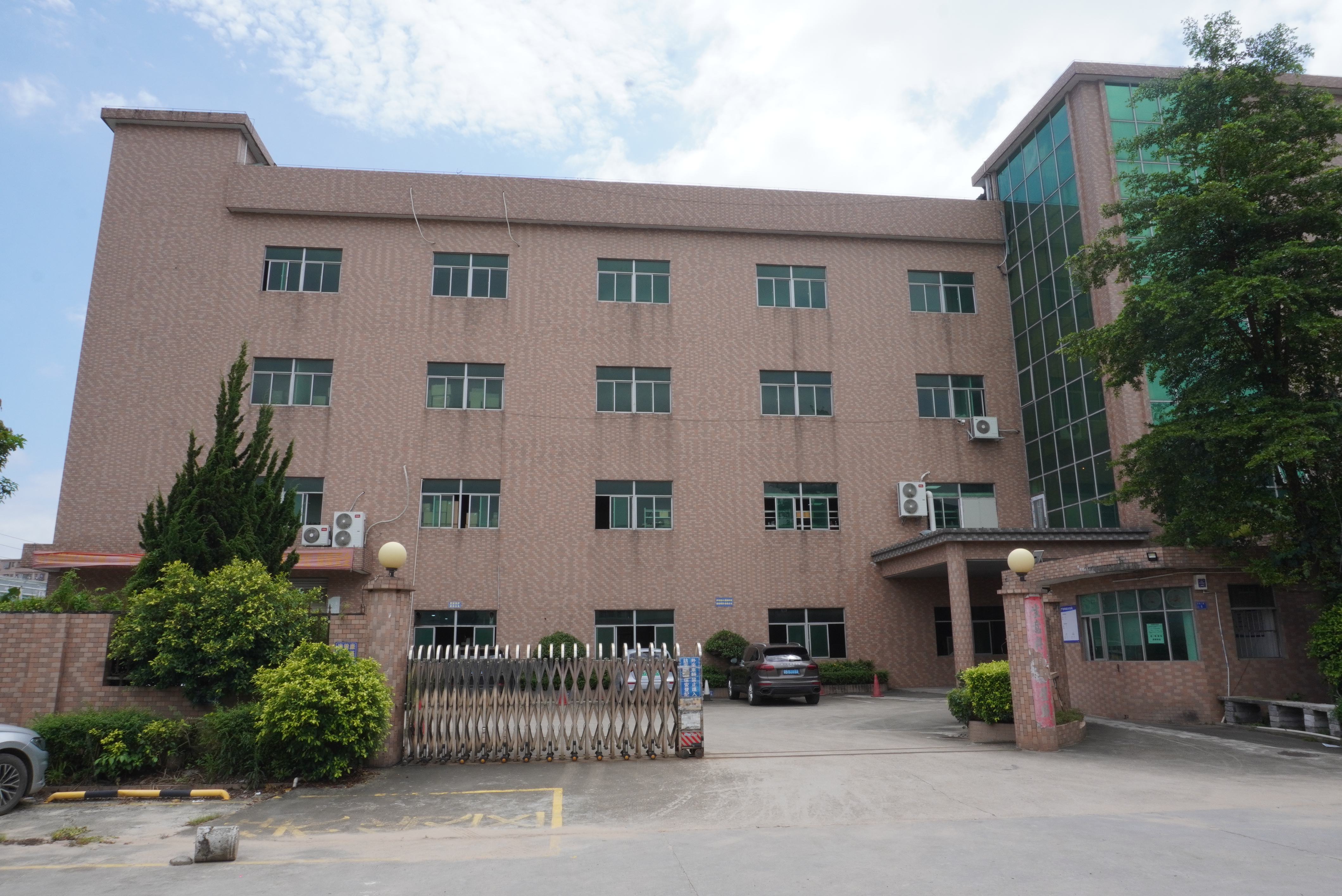
Dongguan Sanlixin Plastic Technology Co.,Ltd
Shenzhen Sanlixin Technology Co., Ltd. and Dongguan Sanlixin Plastic Technology Co., Ltd. is a manufacturer integrating precision plastic mold design, mold opening, single (double) color injection molding, IML injection molding processing, producing various single (double) color, IML process high-end appearance decorative structural parts, two-color buttons, USB dust plugs, panels and other plastic products, providing customers with fast, excellent, Midea all-round service, the company has 15 years of experience in precision plastic mold design, processing and production, with a variety of advanced machine injection molding equipment with excellent quality and fast service to win the trust and strong support of our customers.
ABS The Complete Guide to ABS Injection Molds: Design, Benefits & Applications
10 Essential Tips to Understand and Compare Product Quotations Like a Pro