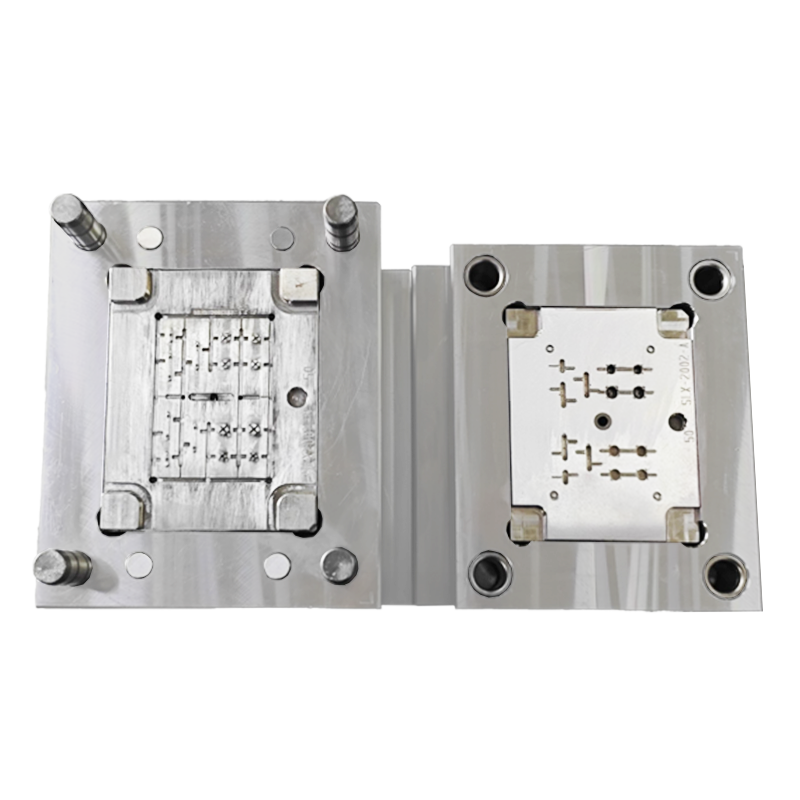
Electronics Housing Injection Molding: Innovation, Efficiency, and Trade-offs
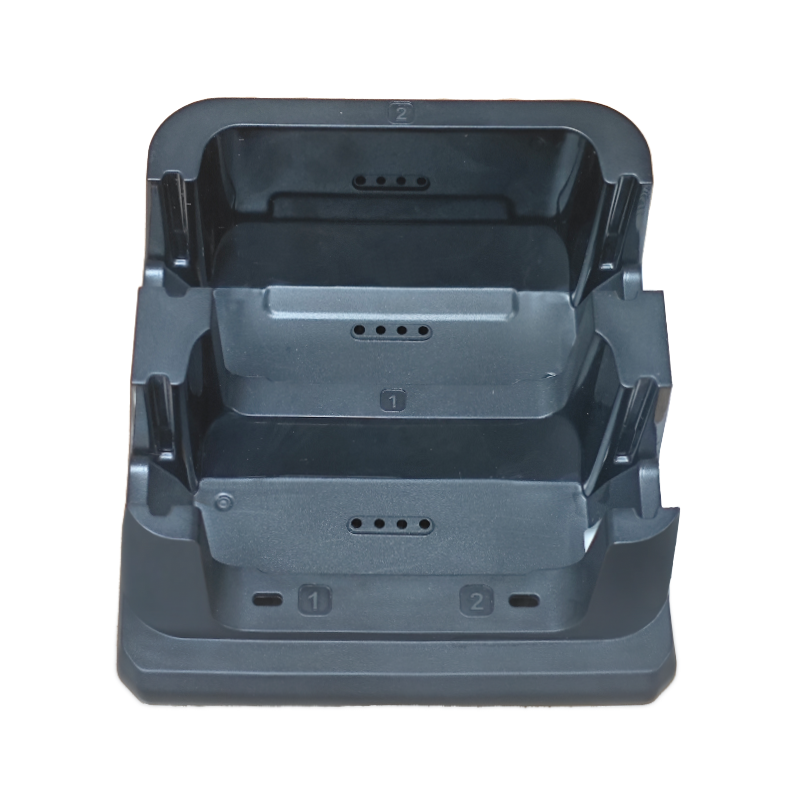
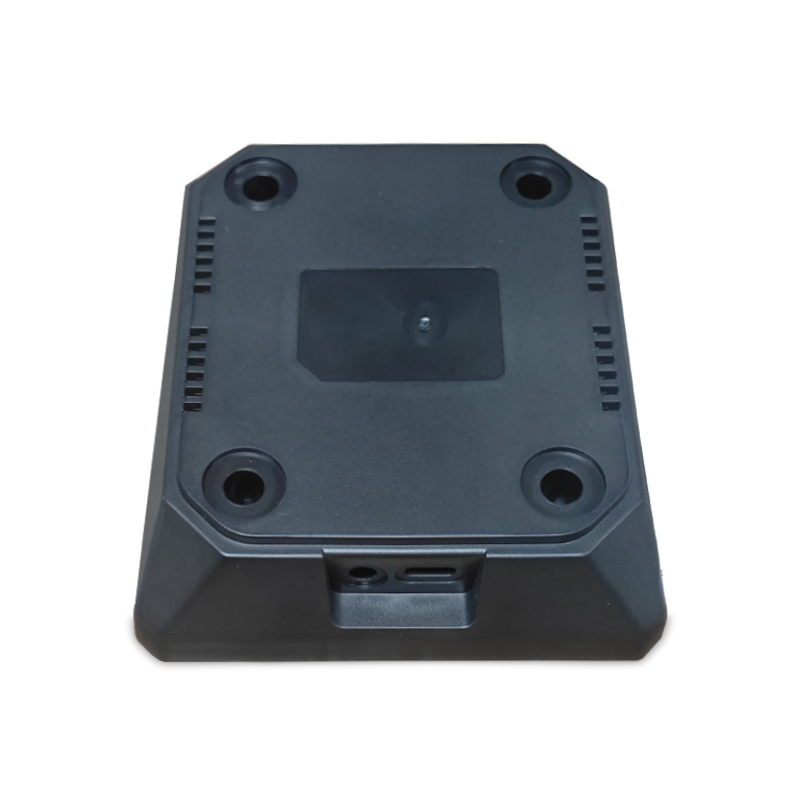
Why Injection Molding for Electronics Housings?
-
Precision & Consistency: Ideal for tight tolerances required to fit PCBs, connectors, and buttons.
-
Scalability: Cost-effective for high-volume production (e.g., smartphones, IoT devices).
-
Material Versatility: Supports polymers with tailored properties (heat resistance, flame retardancy, EMI shielding).
-
Surface Finish: Smooth or textured finishes achievable directly from the mold.
Key Material Choices
-
Engineering Plastics:
-
ABS: Balanced strength, affordability, and surface finish (common in consumer electronics).
-
Polycarbonate (PC): High impact resistance and transparency (e.g., LED covers).
-
PEEK/LCP: Extreme heat/chemical resistance for automotive or aerospace electronics.
-
Conductive Polymers: Carbon- or metal-filled resins for EMI/RFI shielding.
-
-
Sustainability Trends:
-
Recycled plastics (e.g., rABS, rPC) and bio-based polymers (PLA), though trade-offs in durability may apply.
-
Design Considerations
-
Wall Thickness: Uniformity prevents warping/sink marks (typically 1.5–3 mm).
-
Ribs & Bosses: Reinforce structure without adding bulk.
-
Snap-Fits & Living Hinges: Reduce assembly parts for cost savings.
-
EMI Shielding: Integrated features like conductive coatings or lattice structures.
-
IP Ratings: Sealing grooves, gaskets, or overmolded seals for water/dust resistance.
Sustainability Trade-offs
-
Material Recycling: In-line regrinding systems reuse sprues/runners, but recycled plastics may lack virgin material performance.
-
Energy Efficiency: All-electric machines reduce energy use by 50% vs. hydraulic systems.
-
Bio-based Polymers: Lower carbon footprint but often require higher processing temps, offsetting energy savings.
Applications
-
Consumer electronics (smartphones, laptops, wearables).
-
Industrial/medical devices (ruggedized housings, sterilizable materials).
-
Automotive (EV battery casings, sensor housings).
-
IoT and smart home devices.
Future Trends
-
Circular Economy: Closed-loop systems for material reuse.
-
AI-Driven Process Control: Machine learning for defect prediction and quality assurance.
-
On-Demand Molding: Cloud-based platforms for decentralized, small-batch production.
Key Advantages and Challenges
Critical Benefits
- Precision Engineering: Achieves ±0.05mm tolerance for perfect PCB alignment
- Multi-Material Integration: Combines rigid PC/ABS with soft-touch TPE in co-molding
- Surface Perfection: SPI A1 mirror finish without post-processing
- High-Volume Output: 50,000+ units/week with 128-cavity molds
- EMI Solutions: Metal-plated surfaces via in-mold electroplating (15-25μm thickness)
Production Challenges
- Tooling Costs: $25,000-$150,000 for multi-slide molds
- Thermal Management: Requires ±1°C temperature control for warpage prevention
- Material Restrictions: Limited to UL94 V-0/V-1 rated flammability materials
- Post-Mold Shrinkage: 0.2-0.8% dimensional variation requires compensation
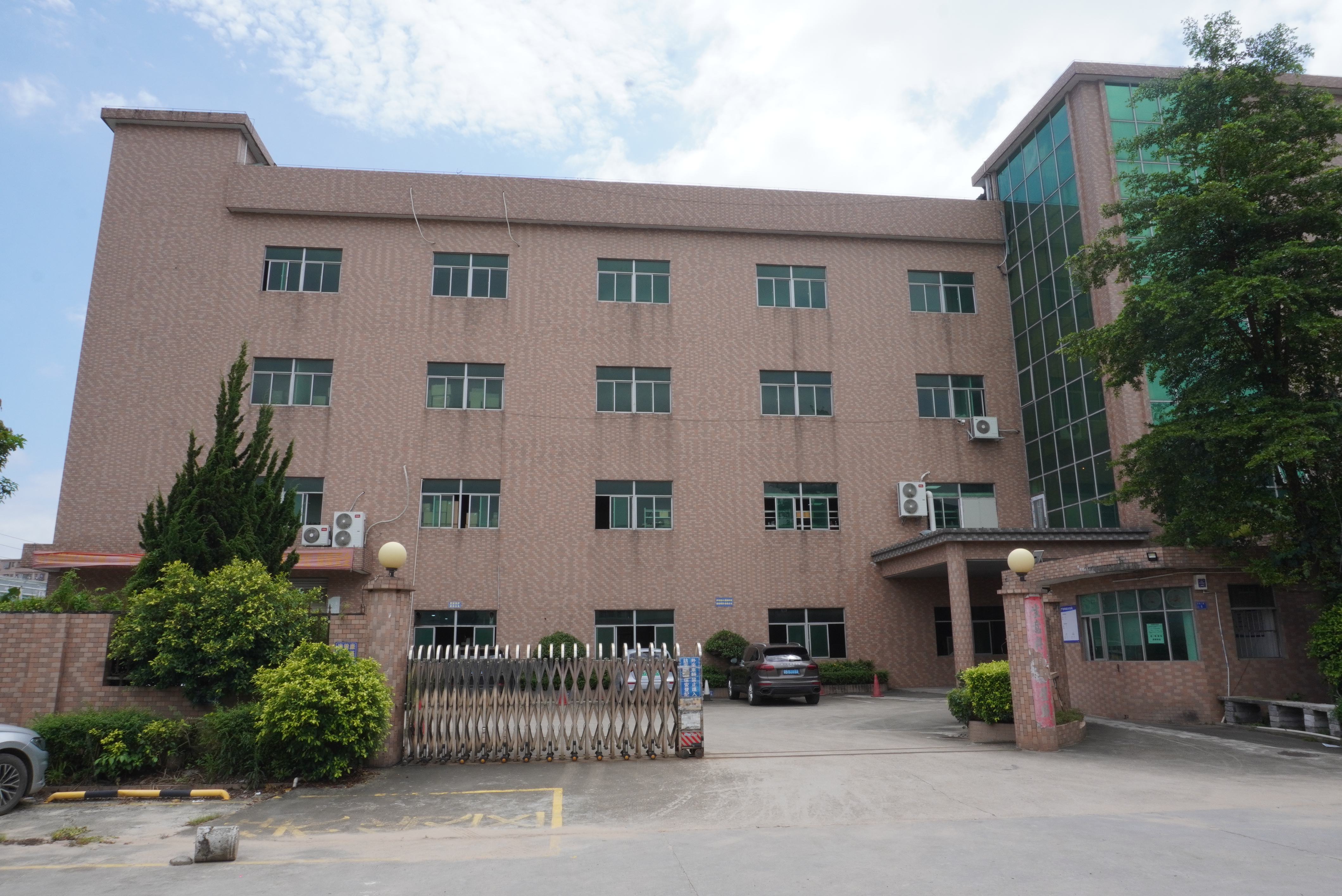
Dongguan Sanlixin Plastic Technology Co.,Ltd
Shenzhen Sanlixin Technology Co., Ltd. and Dongguan Sanlixin Plastic Technology Co., Ltd. is a manufacturer integrating precision plastic mold design, mold opening, single (double) color injection molding, IML injection molding processing, producing various single (double) color, IML process high-end appearance decorative structural parts, two-color buttons, USB dust plugs, panels and other plastic products, providing customers with fast, excellent, Midea all-round service, the company has 15 years of experience in precision plastic mold design, processing and production, with a variety of advanced machine injection molding equipment with excellent quality and fast service to win the trust and strong support of our customers.
Mastering Injection Molding Surface Finishes: Techniques, Trends, and Best Practices
Belly Massager Injection Molding Products: Innovations, Pros, and Challenges