Polyphthalamide (PPA): Material Advantages and Disadvantages

Polyphthalamide (PPA) is a high-performance thermoplastic from the nylon family that offers exceptional thermal and chemical resistance. Often called "high-temperature nylon," PPA bridges the gap between conventional nylons and more expensive high-performance polymers.
Key Advantages of PPA Materials
1. Superior Thermal Performance
PPA maintains mechanical properties at continuous service temperatures up to 150°C (302°F), significantly higher than standard nylons (PA6, PA66).
2. Excellent Chemical Resistance
Demonstrates outstanding resistance to:
- Automotive fluids (brake fluid, transmission oil)
- Fuels and lubricants
- Coolants and hydraulic fluids
3. Mechanical Strength Retention
Maintains 85% of its room-temperature tensile strength at 120°C, compared to just 50% for standard nylons.
4. Dimensional Stability
Low moisture absorption (50% less than PA66) minimizes dimensional changes in humid environments.
5. Electrical Properties
Excellent dielectric properties stable across wide temperature ranges, making it ideal for electrical components.
6. Wear Resistance
Superior abrasion resistance compared to other nylons, especially in glass-filled grades.
Main Disadvantages of PPA Materials
1. Higher Material Cost
PPA costs 2-3 times more than standard nylons, with prices ranging from $5-8/kg compared to $2-4/kg for PA6.
2. Processing Challenges
Requires:
- Pre-drying (4-6 hours at 120°C)
- High processing temperatures (300-340°C)
- Precision temperature control
3. Limited Color Options
Natural amber color requires additives for coloration, limiting aesthetic applications.
4. Notch Sensitivity
Glass-reinforced grades can be brittle at sharp corners or notches.
5. Specialized Equipment Needs
Requires corrosion-resistant screws and barrels due to potential degradation byproducts.
PPA vs Other Engineering Plastics
| Property | PPA | PA66 | PPS | PEEK |
|---|---|---|---|---|
| Max Continuous Temp | 150°C | 90°C | 220°C | 250°C |
| Tensile Strength (MPa) | 80-210 | 70-90 | 65-150 | 90-100 |
| Moisture Absorption (24h) | 0.5-1.0% | 1.5-2.5% | 0.05% | 0.1% |
| Chemical Resistance | Excellent | Good | Outstanding | Exceptional |
| Cost ($/kg) | 5-8 | 2-4 | 10-15 | 80-120 |
Optimal Applications for PPA
Automotive Uses:
- Fuel system components (flanges, connectors)
- Turbocharger air ducts
- Transmission components
- Sensor housings
Electrical/Electronics:
- Connector housings
- Circuit breakers
- Motor components
Industrial Applications:
- Pump housings
- Valve components
- Compressor parts
Processing Recommendations
- Injection Molding: Melt temp 300-340°C, mold temp 120-150°C
- Drying: 4-6 hours at 120°C to <0.1% moisture
- Mold Design: Generous radii (≥1mm) to reduce stress concentration
- Post-Processing: Annealing recommended for high-temp applications
Conclusion
PPA offers an exceptional balance of thermal, chemical, and mechanical properties for demanding applications where standard nylons fail. While its higher cost and processing complexity may be limiting factors, PPA often proves cost-effective in the long run due to its superior performance in harsh environments. Recent developments in PPA formulations continue to expand its applications while addressing some traditional limitations.
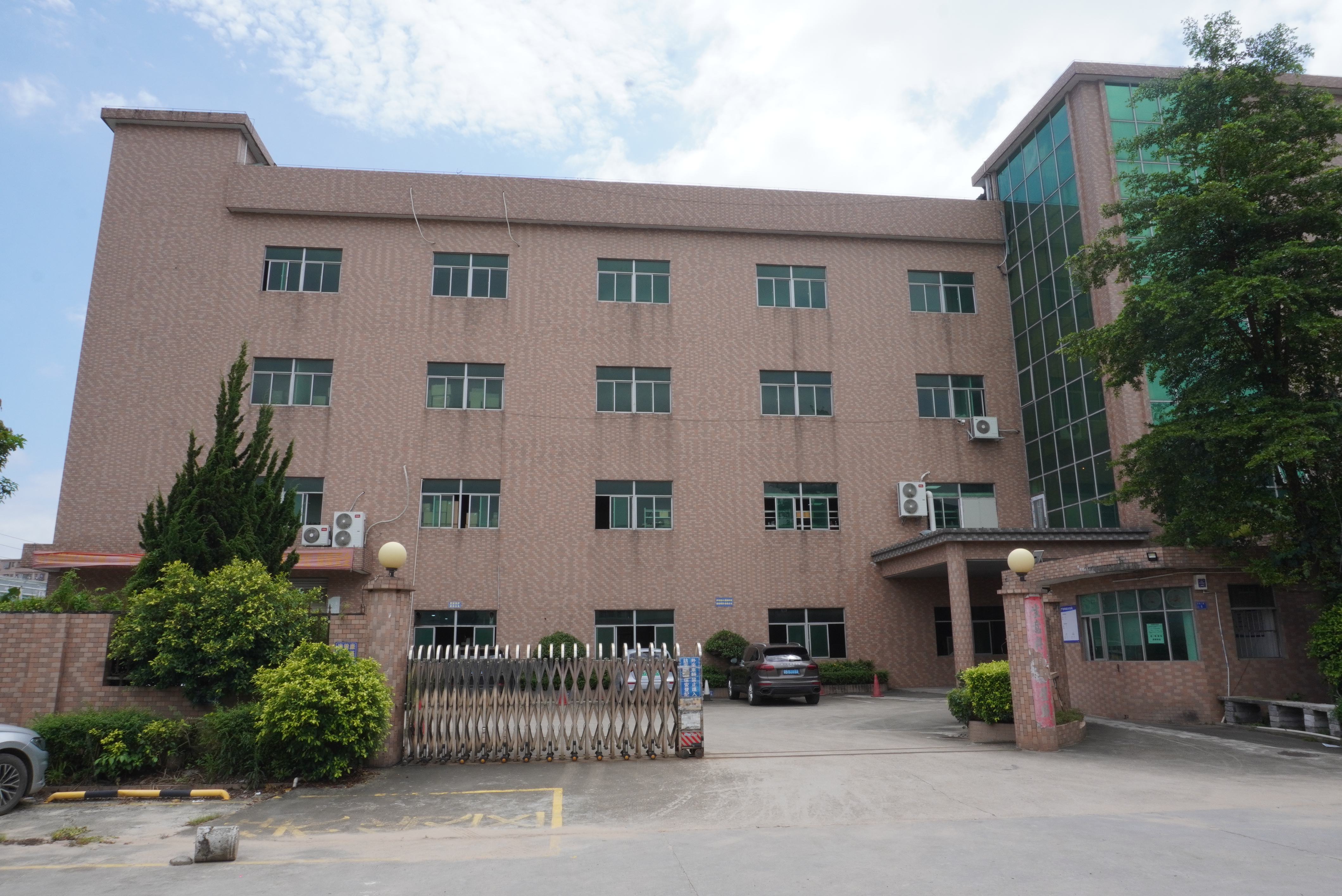
Dongguan Sanlixin Plastic Technology Co.,Ltd
Shenzhen Sanlixin Technology Co., Ltd. and Dongguan Sanlixin Plastic Technology Co., Ltd. is a manufacturer integrating precision plastic mold design, mold opening, single (double) color injection molding, IML injection molding processing, producing various single (double) color, IML process high-end appearance decorative structural parts, two-color buttons, USB dust plugs, panels and other plastic products, providing customers with fast, excellent, Midea all-round service, the company has 15 years of experience in precision plastic mold design, processing and production, with a variety of advanced machine injection molding equipment with excellent quality and fast service to win the trust and strong support of our customers.
PA6 vs PA66: Understanding the Key Differences
Transparent Plastics: A Comprehensive Comparison