Polyolefin Elastomers (POE): Advantages and Disadvantages
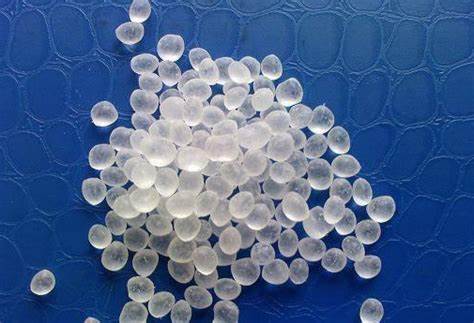
Polyolefin Elastomers (POE) are a class of thermoplastic elastomers that combine the processing advantages of thermoplastics with the elastic properties of rubbers. These ethylene-octene copolymers, produced using metallocene catalysts, have gained significant popularity in various industries due to their unique balance of properties.
Key Advantages of POE
1. Excellent Elasticity and Flexibility
POEs maintain good elastic recovery (up to 85%) even at high elongation levels (300-500%), outperforming many traditional elastomers.
2. Superior Impact Resistance
Exhibits outstanding low-temperature impact strength (-50°C to -70°C), making it ideal for cold-weather applications.
3. Good Thermal Stability
Maintains properties across a wide temperature range (-60°C to 125°C), with some grades stable up to 135°C.
4. Excellent Weatherability
Inherent UV and ozone resistance without requiring additives, suitable for outdoor applications.
5. Lightweight
Density ranges from 0.86 to 0.91 g/cm³, significantly lighter than many competing materials.
6. Easy Processing
Can be processed using standard thermoplastic equipment (injection molding, extrusion, blow molding).
7. Good Chemical Resistance
Resistant to acids, alkalis, and polar solvents, though not suitable for non-polar solvents.
Main Disadvantages of POE
1. Limited High-Temperature Performance
Maximum continuous use temperature (125-135°C) is lower than some specialty elastomers.
2. Poor Resistance to Hydrocarbons
Swells in contact with oils, fuels, and non-polar solvents, limiting automotive underhood applications.
3. Higher Cost Than Conventional Elastomers
Typically 20-40% more expensive than EPDM or SBR rubbers.
4. Limited Adhesion Properties
Requires surface treatment or special adhesives for bonding to other materials.
5. Lower Compression Set Than Silicones
Not ideal for applications requiring extreme compression set resistance.
6. Limited High-Load Applications
Not suitable for high mechanical load applications compared to some engineering thermoplastics.
POE vs Other Elastomers
| Property | POE | EPDM | TPU | SBS |
|---|---|---|---|---|
| Tensile Strength (MPa) | 5-25 | 7-21 | 30-50 | 10-30 |
| Elongation at Break (%) | 300-1000 | 100-600 | 300-700 | 400-800 |
| Temperature Range (°C) | -60 to 125 | -50 to 150 | -40 to 120 | -40 to 80 |
| Density (g/cm³) | 0.86-0.91 | 0.85-1.20 | 1.10-1.25 | 0.90-1.20 |
| Cost | $$ | $ | $$$ | $$ |
Primary Applications of POE
Automotive
- Bumper covers
- Instrument panel skins
- Weatherstripping
- Airbag covers
Wire & Cable
- Insulation jacketing
- Communication cables
- Power cable sheathing
Consumer Products
- Soft-touch grips
- Toys
- Sporting goods
- Footwear
Industrial
- Seals and gaskets
- Conveyor belts
- Hoses and tubing
Processing Considerations
- Injection Molding: Melt temp 180-230°C, mold temp 20-50°C
- Extrusion: Recommended L/D ratio of 24:1 or higher
- Drying: Typically not required, but 2-3 hours at 60-80°C if needed
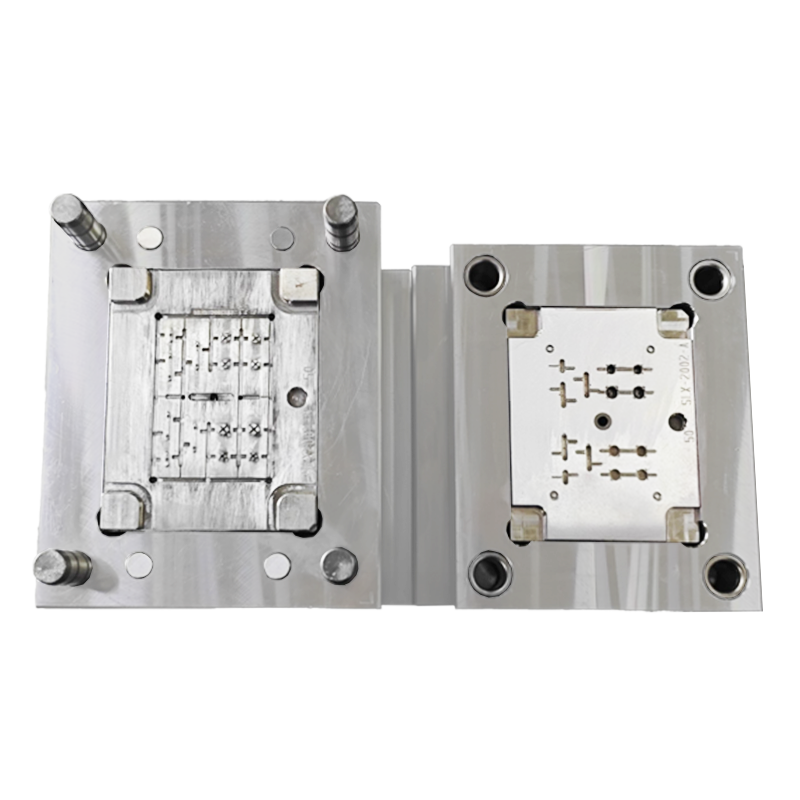
- Tool Design: Requires adequate draft angles (1-2°) for ejection
Market Trends
The global POE market is projected to grow at 8.5% CAGR (2023-2030), driven by:
- Increasing demand from the automotive industry (lightweighting)
- Replacement of PVC in wire and cable applications
- Growing adoption in renewable energy (solar panel components)
- Expansion of 5G infrastructure requiring advanced cable materials
Conclusion
POE materials offer an exceptional balance of elasticity, processability, and weatherability, making them increasingly popular across multiple industries. While they have limitations in high-temperature and hydrocarbon exposure applications, their advantages in lightweight design, impact resistance, and processing efficiency often outweigh these drawbacks. As material formulations continue to advance, POEs are expected to replace traditional elastomers in an expanding range of applications, particularly where recyclability and sustainability are important considerations.
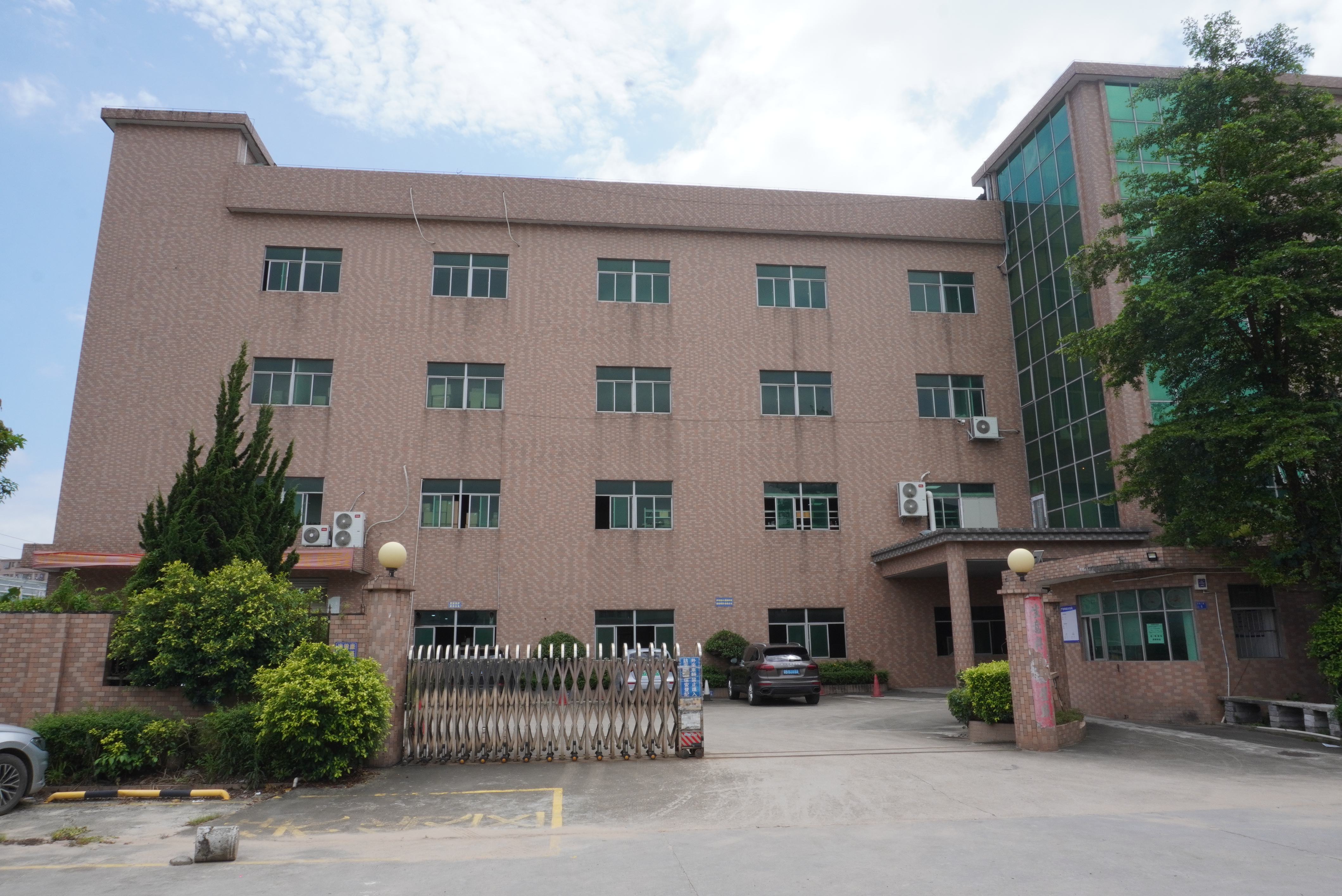
Dongguan Sanlixin Plastic Technology Co.,Ltd
Shenzhen Sanlixin Technology Co., Ltd. and Dongguan Sanlixin Plastic Technology Co., Ltd. is a manufacturer integrating precision plastic mold design, mold opening, single (double) color injection molding, IML injection molding processing, producing various single (double) color, IML process high-end appearance decorative structural parts, two-color buttons, USB dust plugs, panels and other plastic products, providing customers with fast, excellent, Midea all-round service, the company has 15 years of experience in precision plastic mold design, processing and production, with a variety of advanced machine injection molding equipment with excellent quality and fast service to win the trust and strong support of our customers.
Nylon: The Versatile Plastic Powering Modern Industry
Understanding the Key Differences Between HDPE, LDPE and LLDPE