Acrylic/PMMA Material: Benefits and Limitations
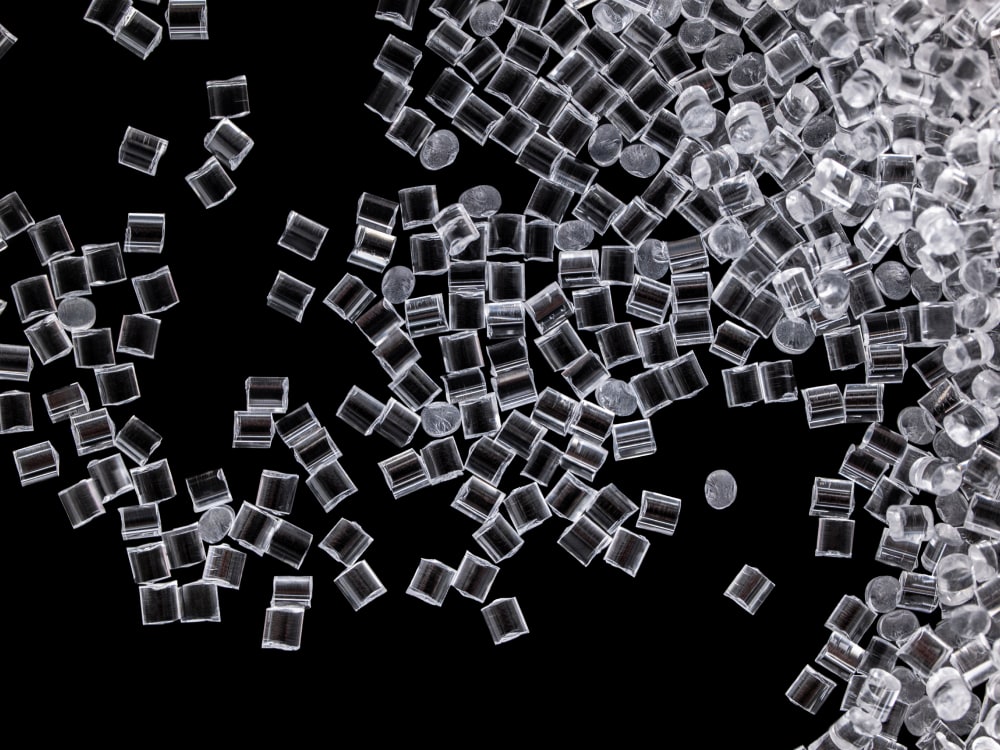
Polymethyl methacrylate (PMMA), commonly known as acrylic or plexiglass, is a transparent thermoplastic widely used as a lightweight, shatter-resistant alternative to glass. With excellent optical clarity and weather resistance, PMMA serves in applications ranging from signage and displays to automotive components and medical devices.
Key Advantages of Acrylic/PMMA
1. Exceptional Optical Clarity
Transmits up to 92% of visible light (better than glass) with excellent light diffusion properties and UV stability.
2. Impact Resistance
10-20 times more impact-resistant than glass while weighing only half as much.
3. Weather Resistance
Maintains properties in outdoor applications with excellent resistance to yellowing from sunlight exposure.
4. Formability
Can be easily thermoformed at relatively low temperatures (160-190°C) into complex shapes.
5. Machinability
Can be cut, drilled, and polished using standard woodworking tools with proper techniques.
6. Chemical Resistance
Resists many dilute acids and alkalis, though vulnerable to some solvents.
Main Disadvantages of Acrylic/PMMA
1. Scratch Sensitivity
Softer surface than glass (Mohs hardness ~3-4) requires careful handling and cleaning.
2. Limited Heat Resistance
Low glass transition temperature (≈105°C) restricts high-temperature applications.
3. Brittleness at Low Temperatures
Becomes more brittle below -20°C, impacting cold weather performance.
4. Flammability
Burns readily (Class B flammability rating) producing toxic fumes.
5. Stress Cracking
Susceptible to stress cracking when in contact with certain chemicals or under sustained loads.
PMMA vs Common Alternatives
| Property | PMMA | Polycarbonate | Glass | PETG |
|---|---|---|---|---|
| Light Transmission | 92% | 88% | 90% | 90% |
| Impact Resistance | Good | Excellent | Poor | Good |
| Max Service Temp | 80°C | 120°C | 400°C+ | 70°C |
| Scratch Resistance | Fair | Poor | Excellent | Fair |
Optimal Applications for PMMA
Best Uses:
- Commercial signage and displays
- Lighting fixtures and diffusers
- Aquarium tanks and windows
- Medical devices and incubators
- Architectural glazing and skylights
- Automotive light covers and instrument panels
Special Considerations for Working with PMMA
- Requires proper annealing after thermoforming to relieve stresses
- Needs specialized adhesives (solvent-based or acrylic)
- Cutting tools must be sharp to prevent cracking
- Protective films help prevent surface damage during fabrication
- Requires flame retardant additives for certain applications
Conclusion
PMMA acrylic offers an outstanding combination of clarity, weatherability and formability for transparent applications where glass is too heavy or fragile. While it has limitations in scratch and heat resistance, proper design and material selection can maximize its benefits. Recent developments in coated and modified acrylics continue to expand its applications in demanding environments.
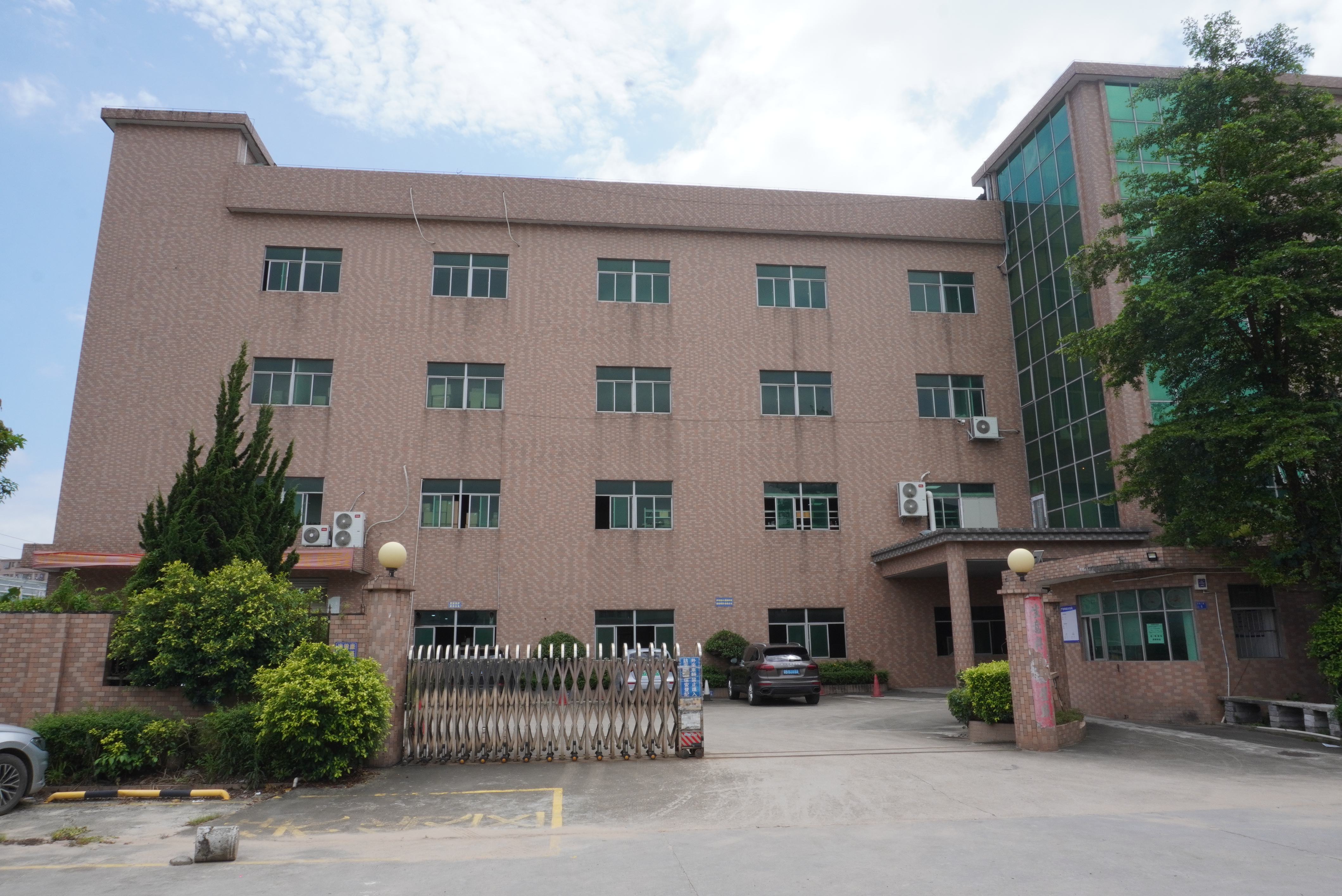
Dongguan Sanlixin Plastic Technology Co.,Ltd
Shenzhen Sanlixin Technology Co., Ltd. and Dongguan Sanlixin Plastic Technology Co., Ltd. is a manufacturer integrating precision plastic mold design, mold opening, single (double) color injection molding, IML injection molding processing, producing various single (double) color, IML process high-end appearance decorative structural parts, two-color buttons, USB dust plugs, panels and other plastic products, providing customers with fast, excellent, Midea all-round service, the company has 15 years of experience in precision plastic mold design, processing and production, with a variety of advanced machine injection molding equipment with excellent quality and fast service to win the trust and strong support of our customers.
PLA Plastic: Benefits and Limitations of the Popular Bioplasti
Understanding EVA Material: Benefits and Limitations