Why Does the Plastic Mold Slip? Causes and Solutions
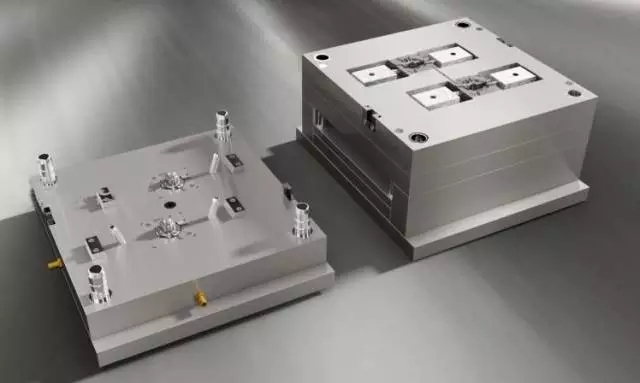
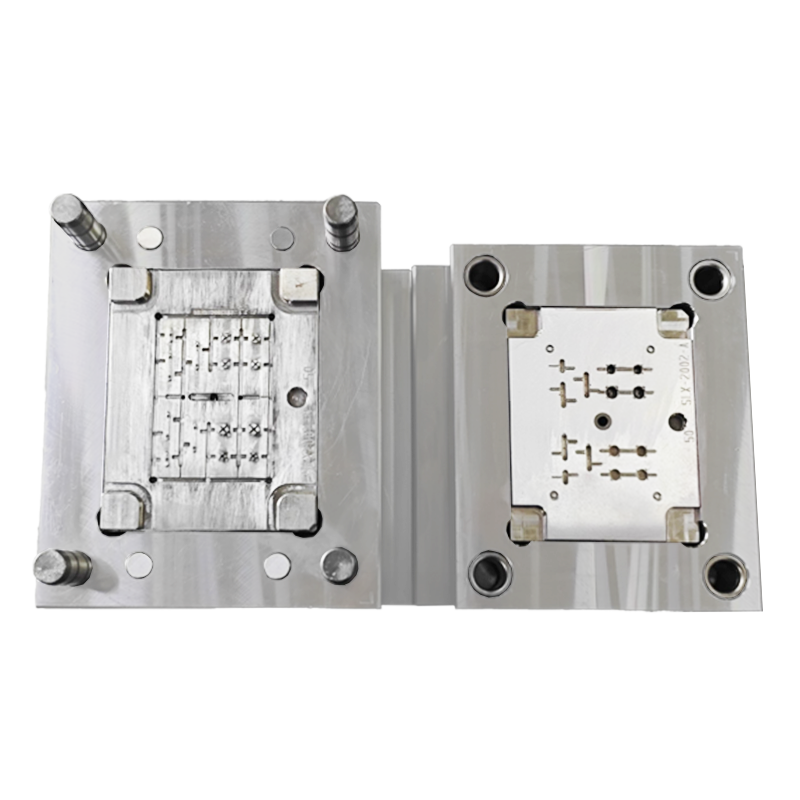
Plastic molding is a widely used manufacturing process for producing a variety of plastic parts. However, one common issue that can arise during this process is mold slippage. Mold slippage occurs when the mold halves do not align properly, leading to defects in the final product. This article explores the causes of plastic mold slippage and provides solutions to prevent it.
Causes of Plastic Mold Slippage
Insufficient Clamping Force
One of the primary reasons for mold slippage is insufficient clamping force. If the clamping force is not strong enough to hold the mold halves together, the pressure from the injected plastic can cause the mold to shift or slip.
Worn or Damaged Mold Components
Over time, mold components such as guide pins, bushings, and alignment features can wear out or become damaged. This wear and tear can lead to misalignment and slippage during the molding process.
Improper Mold Design
A poorly designed mold can also contribute to slippage. Issues such as inadequate alignment features, improper gate placement, or insufficient support for the mold halves can all lead to misalignment and slippage.
Material Issues
The type and properties of the plastic material being used can also affect mold slippage. Materials with high viscosity or those that require high injection pressures can exert more force on the mold, increasing the risk of slippage.
Machine Calibration
Incorrect calibration of the injection molding machine can lead to uneven pressure distribution, causing the mold to slip. Regular maintenance and calibration of the machine are essential to prevent this issue.
Solutions to Prevent Mold Slippage
Ensure Adequate Clamping Force
To prevent mold slippage, it is crucial to ensure that the clamping force is sufficient to hold the mold halves together. This can be achieved by using a machine with the appropriate clamping capacity for the specific mold and material being used.
Regular Maintenance and Inspection
Regular maintenance and inspection of mold components can help identify and address wear and tear before it leads to slippage. Replacing worn or damaged parts, such as guide pins and bushings, can ensure proper alignment and prevent slippage.
Optimize Mold Design
Proper mold design is essential to prevent slippage. This includes incorporating adequate alignment features, ensuring proper gate placement, and providing sufficient support for the mold halves. Working with experienced mold designers can help optimize the mold for better performance.
Material Selection and Processing
Choosing the right material and optimizing processing parameters can reduce the risk of mold slippage. Using materials with lower viscosity or adjusting injection pressure and speed can help minimize the force exerted on the mold.
Machine Calibration and Maintenance
Regular calibration and maintenance of the injection molding machine are essential to ensure even pressure distribution and prevent slippage. This includes checking and adjusting the machine's settings, as well as performing routine maintenance to keep it in good working condition.
Best Practices for Mold Alignment
Use Alignment Features
Incorporating alignment features such as guide pins, bushings, and interlocks can help ensure proper alignment of the mold halves. These features provide precise positioning and prevent misalignment during the molding process.
Implement Proper Cooling
Proper cooling of the mold can help maintain its stability and prevent slippage. Ensuring even cooling throughout the mold can reduce thermal expansion and contraction, which can contribute to misalignment.
Monitor and Adjust Process Parameters
Monitoring and adjusting process parameters such as injection pressure, speed, and temperature can help prevent mold slippage. Keeping these parameters within the optimal range can reduce the force exerted on the mold and ensure consistent performance.
Conclusion
Mold slippage is a common issue in plastic molding that can lead to defects in the final product. Understanding the causes of mold slippage, such as insufficient clamping force, worn components, improper mold design, material issues, and machine calibration, is essential for preventing this problem. By implementing solutions such as ensuring adequate clamping force, regular maintenance, optimizing mold design, selecting the right material, and maintaining proper machine calibration, manufacturers can minimize the risk of mold slippage and produce high-quality plastic parts. Adopting best practices for mold alignment and process monitoring further enhances the reliability and efficiency of the plastic molding process.
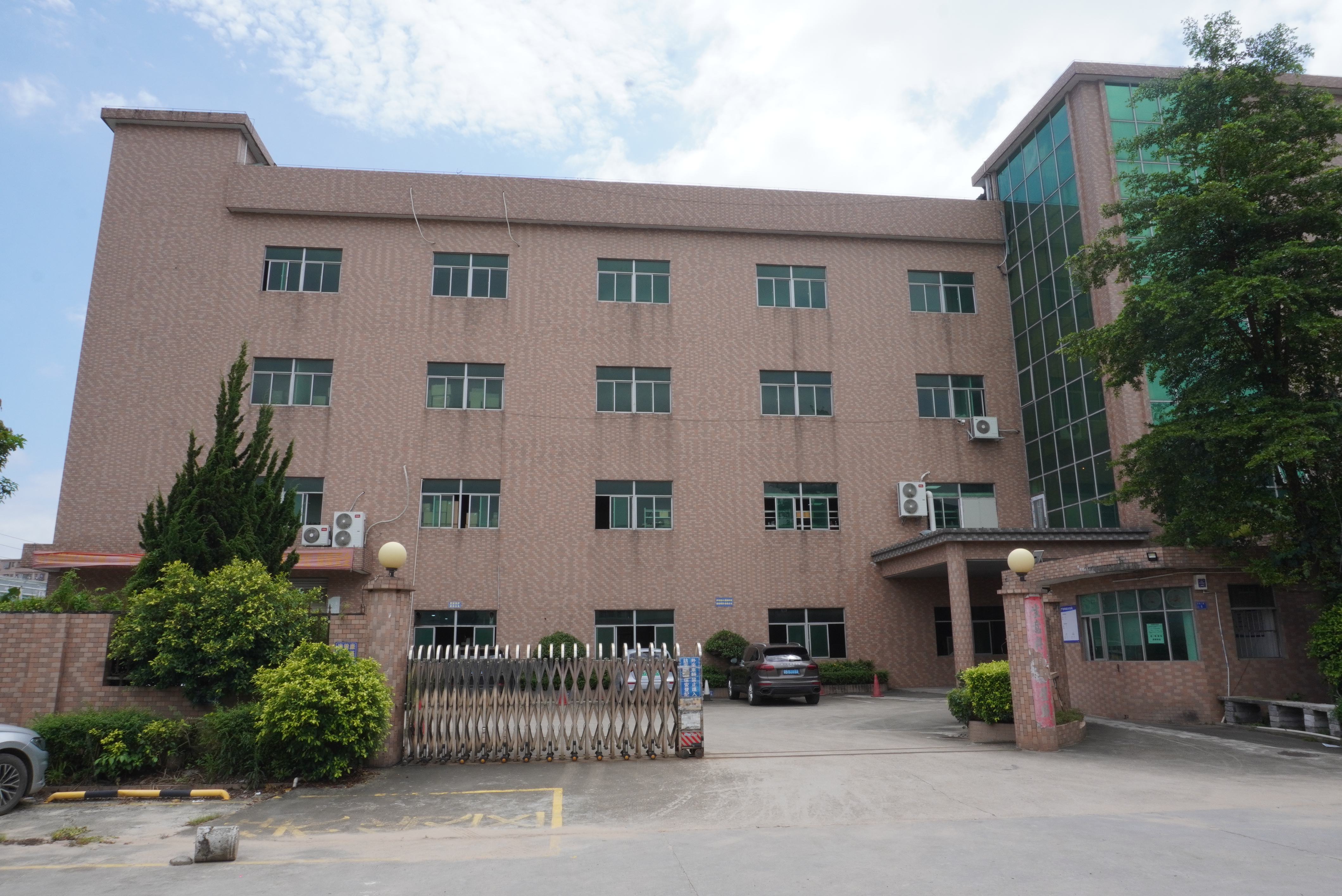
Dongguan Sanlixin Plastic Technology Co.,Ltd
Shenzhen Sanlixin Technology Co., Ltd. and Dongguan Sanlixin Plastic Technology Co., Ltd. is a manufacturer integrating precision plastic mold design, mold opening, single (double) color injection molding, IML injection molding processing, producing various single (double) color, IML process high-end appearance decorative structural parts, two-color buttons, USB dust plugs, panels and other plastic products, providing customers with fast, excellent, Midea all-round service, the company has 15 years of experience in precision plastic mold design, processing and production, with a variety of advanced machine injection molding equipment with excellent quality and fast service to win the trust and strong support of our customers.
Key Details to Consider When Processing Electronic Product Shells
What Are Plastic Parts? Exploring the Advantages and Disadvantages