Overmolding and Two-Shot Molding: Applications, Advantages, and Disadvantages
Overmolding and Two-Shot Molding: Applications, Advantages, and Disadvantages
Introduction to Overmolding and Two-Shot Molding
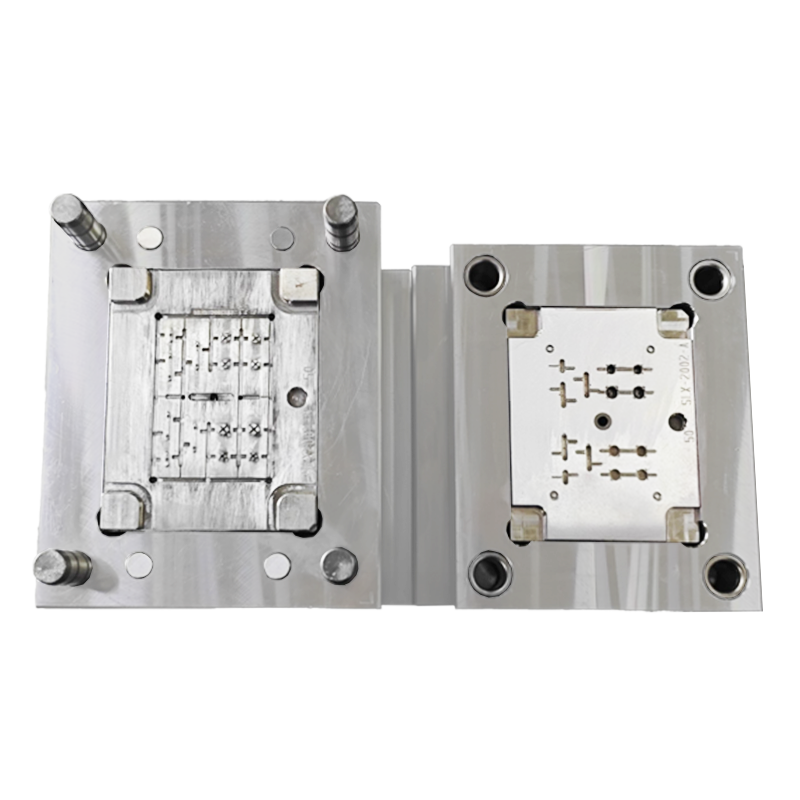
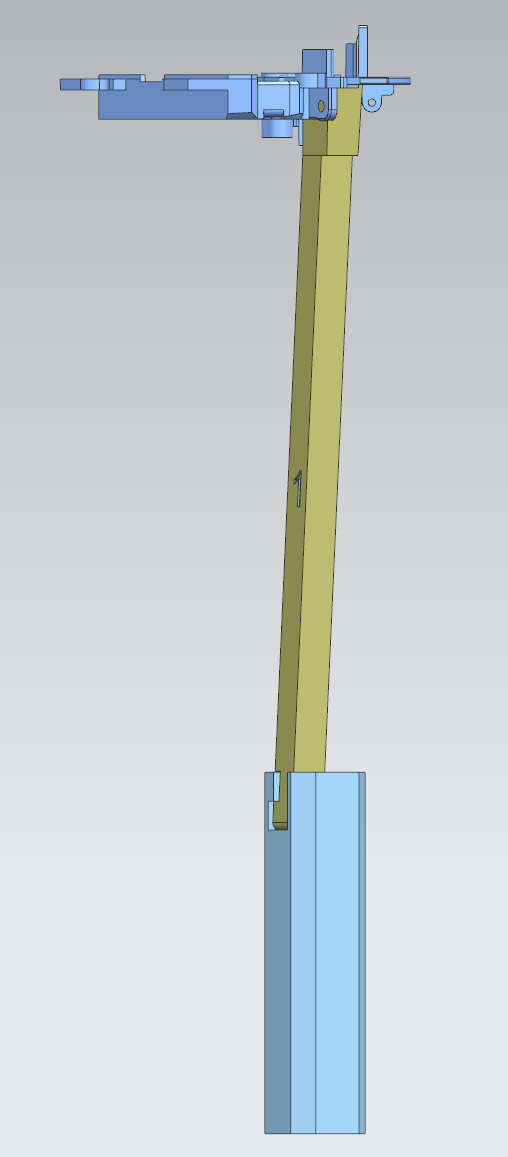
Overmolding and two-shot molding are advanced manufacturing processes used to create multi-material or multi-component parts. These techniques are widely adopted in industries such as automotive, electronics, healthcare, and consumer goods to enhance product functionality, durability, and aesthetics.
Applications of Overmolding and Two-Shot Molding
These processes are utilized in a variety of applications across multiple industries:
1. Automotive Industry
- Steering Wheels: Combining soft-touch materials with rigid cores for comfort and durability.
- Seals and Gaskets: Creating waterproof and airtight components.
- Interior Trims: Enhancing aesthetics and tactile feel.
2. Electronics
- Device Casings: Adding soft-touch surfaces and waterproofing.
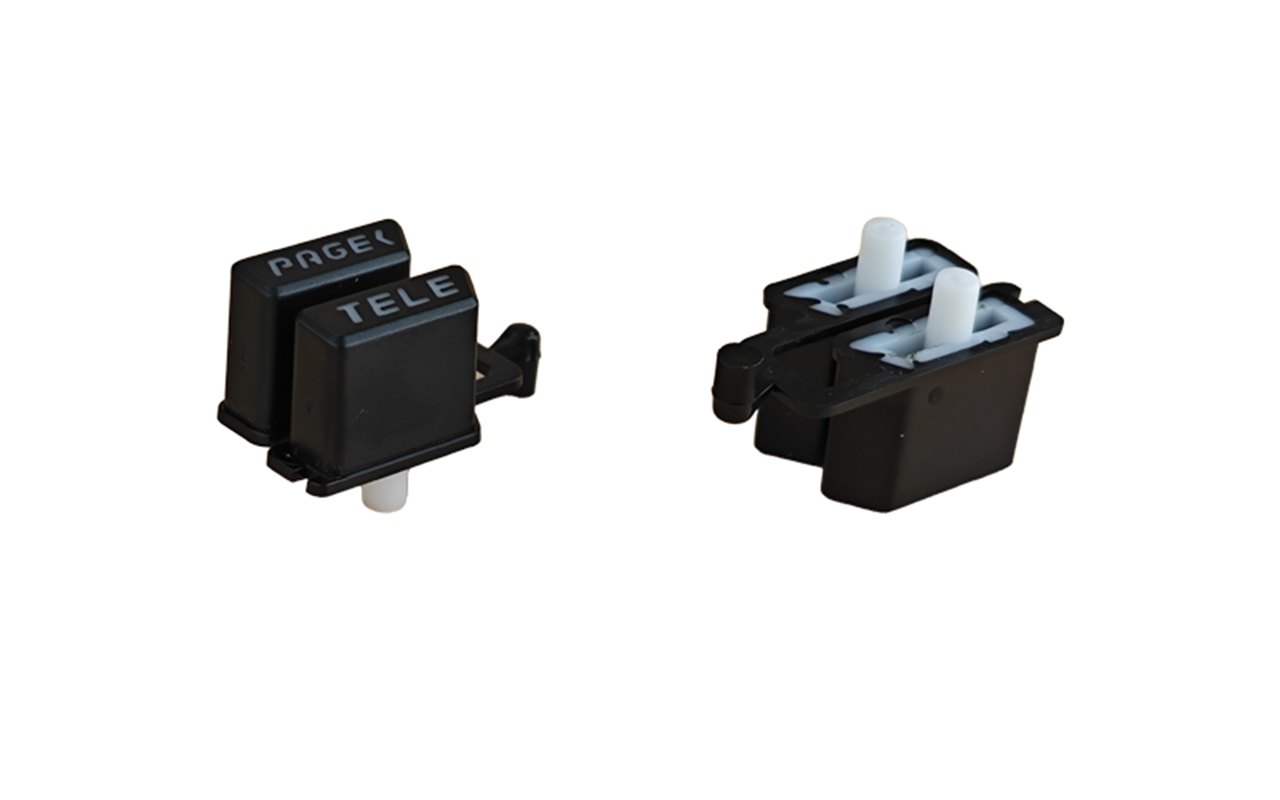
- Buttons and Connectors: Improving ergonomics and electrical insulation.
- Wearable Devices: Combining flexibility and durability for comfort and performance.
3. Healthcare
- Medical Devices: Producing ergonomic grips and biocompatible components.
- Surgical Tools: Enhancing precision and comfort for medical professionals.
- Sealed Components: Ensuring hygiene and safety in medical equipment.
Advantages of Overmolding and Two-Shot Molding
1. Enhanced Product Functionality
Combines the properties of different materials to improve product performance, such as adding soft grips to rigid tools or insulating electronic components.
2. Improved Aesthetics
Allows for creative designs with multiple colors, textures, and materials, enhancing the visual appeal of products.
3. Increased Durability
Creates parts with superior strength, impact resistance, and longevity by combining materials with complementary properties.
4. Reduced Assembly Costs
Eliminates the need for secondary assembly processes, reducing labor and production costs.
5. High Precision
Maintains tight tolerances and consistent quality across multi-material parts.
Disadvantages of Overmolding and Two-Shot Molding
1. High Initial Costs
The design and fabrication of molds for overmolding and two-shot molding require significant upfront investment.
2. Complex Process
These processes are more complex than traditional molding, requiring specialized equipment and expertise.
3. Material Compatibility
Ensuring that different materials bond well can be challenging and may limit material choices.
4. Longer Lead Times
The design, testing, and production of molds can take considerable time, potentially delaying product launches.
5. Maintenance Requirements
Molds require regular maintenance to ensure optimal performance and longevity, adding to operational costs.
Conclusion
Overmolding and two-shot molding are powerful manufacturing techniques that offer significant advantages in terms of functionality, aesthetics, and durability. However, they also come with challenges such as high initial costs, material compatibility issues, and complex processes. By understanding the applications, advantages, and disadvantages of these techniques, manufacturers can make informed decisions and leverage them to create innovative, high-quality products that meet the demands of modern industries.
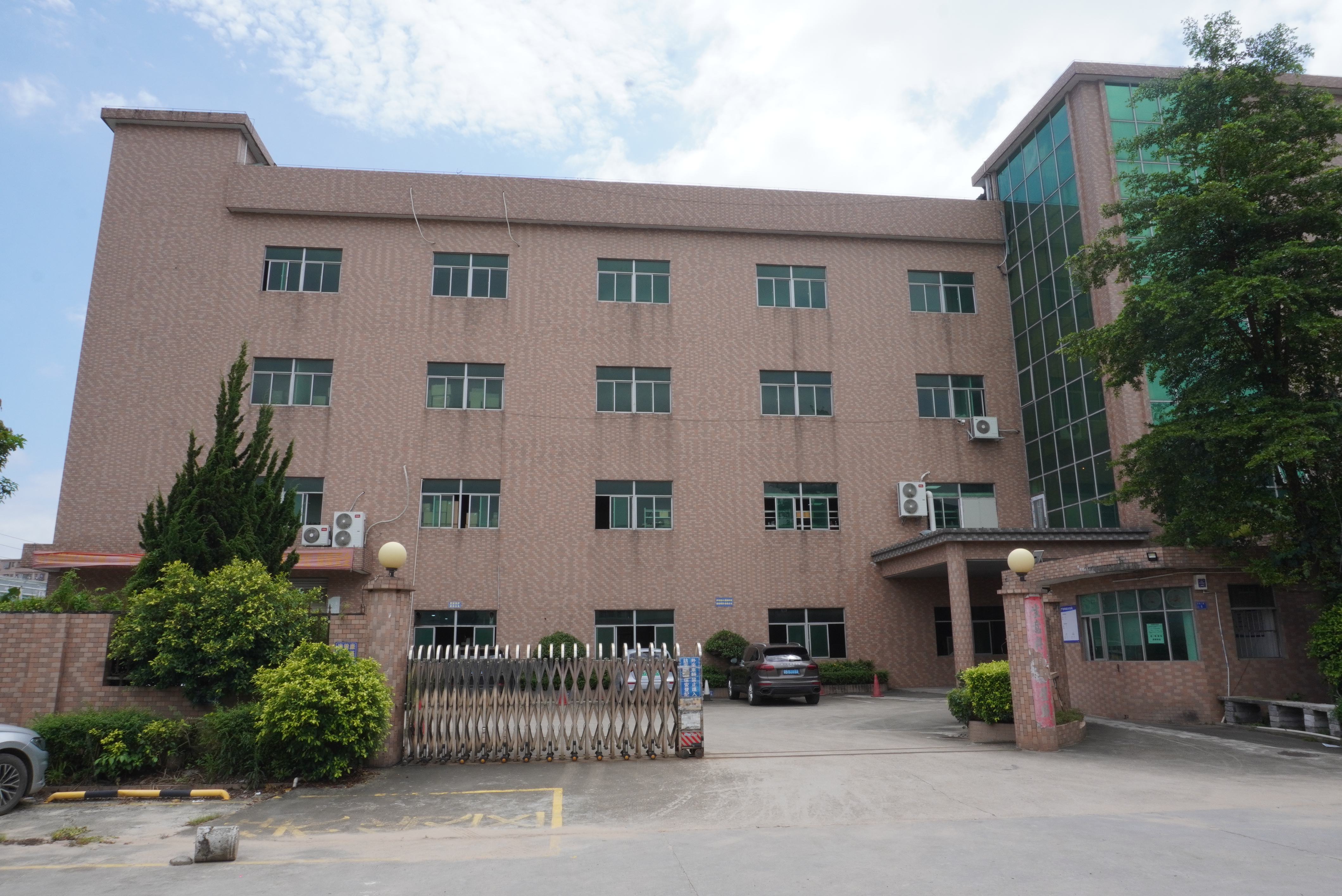
Dongguan Sanlixin Plastic Technology Co.,Ltd
Shenzhen Sanlixin Technology Co., Ltd. and Dongguan Sanlixin Plastic Technology Co., Ltd. is a manufacturer integrating precision plastic mold design, mold opening, single (double) color injection molding, IML injection molding processing, producing various single (double) color, IML process high-end appearance decorative structural parts, two-color buttons, USB dust plugs, panels and other plastic products, providing customers with fast, excellent, Midea all-round service, the company has 15 years of experience in precision plastic mold design, processing and production, with a variety of advanced machine injection molding equipment with excellent quality and fast service to win the trust and strong support of our customers.
Insert Molding: Advantages, Disadvantages, and Applications
Custom Injection Molding: Precision, Flexibility, and Efficiency in Manufacturing