Understanding the Cost of Custom Injection Molds
Understanding the Cost of Custom Injection Molds
Introduction to Custom Injection Molds
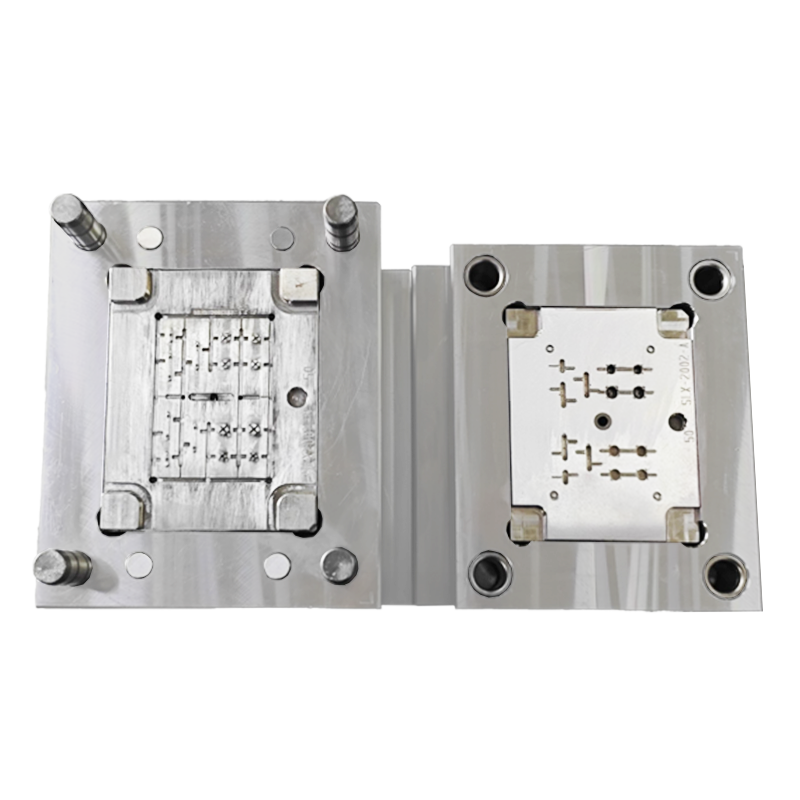
Custom injection molds are essential tools in the manufacturing process, enabling the production of high-quality plastic parts tailored to specific requirements. However, the cost of these molds can vary significantly based on several factors. Understanding these factors can help manufacturers budget effectively and make informed decisions.
Factors Influencing the Cost of Custom Injection Molds
Several key factors contribute to the overall cost of custom injection molds:
1. Mold Complexity
The complexity of the mold design, including the number of cavities, undercuts, and intricate details, can significantly impact the cost. More complex molds require advanced engineering and longer machining times.
2. Material Selection
The type of material used for the mold, such as aluminum, steel, or beryllium-copper, affects the cost. High-quality materials like hardened steel are more expensive but offer greater durability and longevity.
3. Mold Size
Larger molds require more material and longer machining times, increasing the overall cost. The size of the mold is directly proportional to the cost.
4. Production Volume
The expected production volume influences the mold design and material choice. High-volume production typically requires more durable and expensive molds to withstand extended use.
5. Surface Finish
The desired surface finish of the molded parts can affect the cost. Finer finishes require more precise machining and additional polishing, increasing the overall expense.
6. Tolerance Requirements
Tighter tolerances demand more precise machining and higher-quality materials, leading to increased costs. Ensuring parts meet strict dimensional requirements can add to the complexity and expense of the mold.
7. Lead Time
Shorter lead times often require expedited manufacturing processes, which can increase costs. Planning ahead and allowing for standard lead times can help manage expenses.

Cost Breakdown of Custom Injection Molds
Understanding the cost components can provide a clearer picture of the overall investment:
1. Design and Engineering
Initial design and engineering work, including CAD modeling and simulation, can account for a significant portion of the cost. This phase ensures the mold meets all specifications and functional requirements.
2. Material Costs
The cost of raw materials for the mold, such as steel or aluminum, is a major factor. High-quality materials increase durability but also raise costs.
3. Machining and Manufacturing
CNC machining, EDM (Electrical Discharge Machining), and other manufacturing processes contribute to the overall cost. Complex molds require more advanced and time-consuming machining techniques.
4. Surface Treatment and Finishing
Additional treatments such as polishing, coating, or texturing add to the cost. These processes enhance the mold's performance and the quality of the final parts.
5. Quality Assurance
Inspection and testing to ensure the mold meets all specifications and quality standards can add to the cost. This step is crucial for avoiding defects and ensuring consistent production.
How to Reduce the Cost of Custom Injection Molds
While custom injection molds can be a significant investment, there are strategies to manage and reduce costs:
1. Optimize Design
Simplify the mold design where possible to reduce complexity and machining time. Work closely with engineers to identify areas for optimization.
2. Choose the Right Material
Select materials that balance cost and performance. For lower-volume production, aluminum molds may be a cost-effective alternative to steel.
3. Plan for Standard Lead Times
Avoid expedited manufacturing by planning ahead and allowing for standard lead times. This can help reduce costs associated with rush orders.
4. Leverage Prototyping
Use prototyping to test and refine designs before committing to full-scale production. This can help identify and address potential issues early, reducing costly revisions later.
5. Partner with Experienced Manufacturers
Work with reputable manufacturers who have the expertise to optimize mold design and production processes, ensuring cost-effective solutions without compromising quality.
Conclusion
The cost of custom injection molds is influenced by various factors, including mold complexity, material selection, size, production volume, and tolerance requirements. By understanding these factors and implementing cost-saving strategies, manufacturers can effectively manage their investment in custom molds. Partnering with experienced manufacturers and optimizing design and production processes can further enhance cost efficiency while ensuring high-quality results.
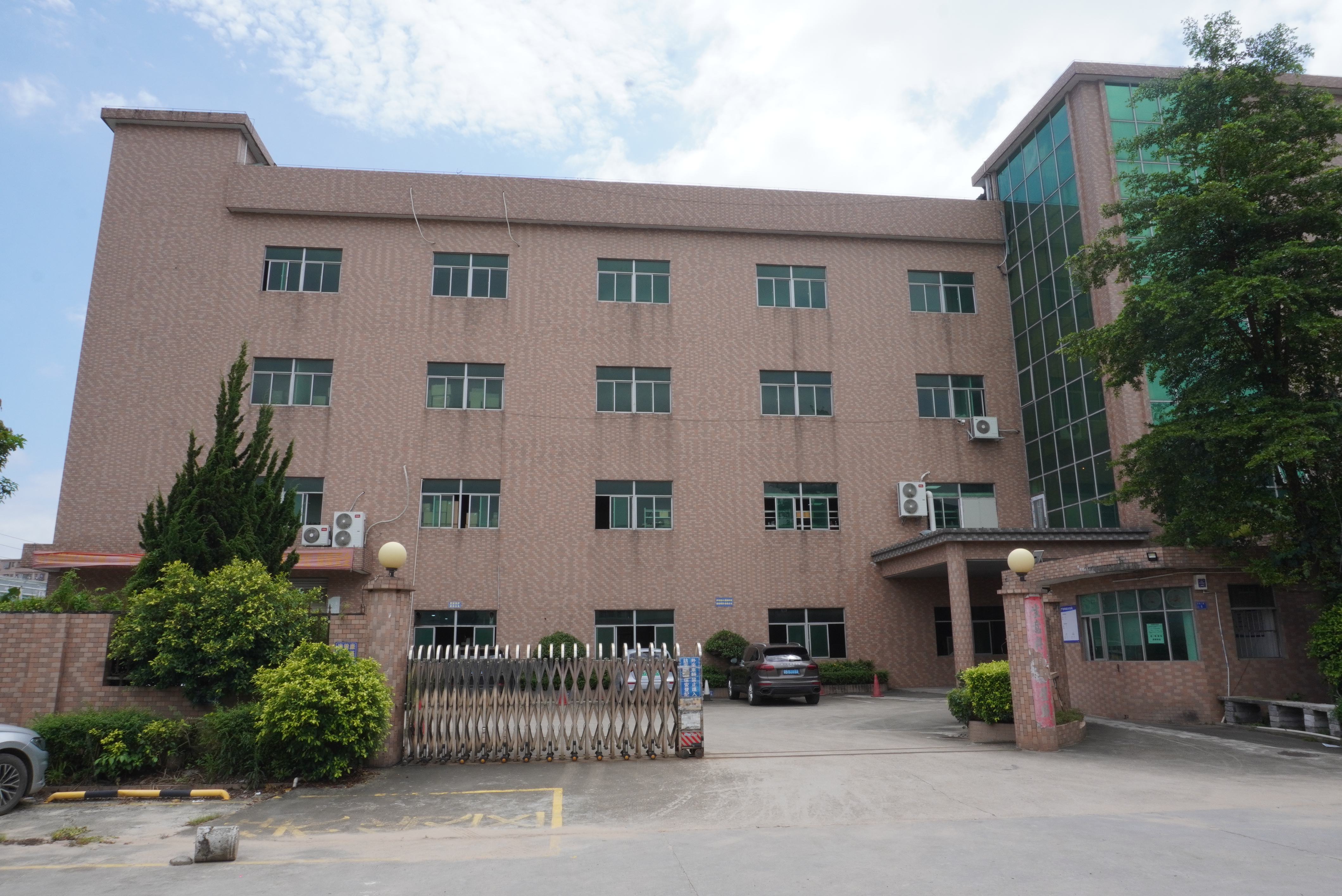
Dongguan Sanlixin Plastic Technology Co.,Ltd
Shenzhen Sanlixin Technology Co., Ltd. and Dongguan Sanlixin Plastic Technology Co., Ltd. is a manufacturer integrating precision plastic mold design, mold opening, single (double) color injection molding, IML injection molding processing, producing various single (double) color, IML process high-end appearance decorative structural parts, two-color buttons, USB dust plugs, panels and other plastic products, providing customers with fast, excellent, Midea all-round service, the company has 15 years of experience in precision plastic mold design, processing and production, with a variety of advanced machine injection molding equipment with excellent quality and fast service to win the trust and strong support of our customers.
How to save on plastic profiles production?
7 Common Injection Molding Defects and How to Avoid Them