A Guide to Short Run Plastic Injection Molding
A Guide to Short Run Plastic Injection Molding
Introduction to Short Run Plastic Injection Molding
Short run plastic injection molding is a manufacturing process used to produce small quantities of plastic parts, typically ranging from a few dozen to a few thousand units. This method is ideal for prototyping, low-volume production, and custom manufacturing. It offers a cost-effective solution for businesses that need high-quality plastic parts without the high costs associated with large-scale production. This guide provides an overview of short run plastic injection molding, its benefits, applications, and key considerations.
Benefits of Short Run Plastic Injection Molding
Short run plastic injection molding offers several advantages, making it a popular choice for various applications:
1. Cost-Effectiveness
Short run molding reduces the upfront costs associated with tooling and setup, making it an economical option for small production runs.
2. Flexibility
This method allows for quick changes in design and material, providing flexibility for prototyping and custom orders.
3. Speed
Short run molding enables faster production times compared to traditional molding, allowing for quicker turnaround and time-to-market.
4. High-Quality Parts
Despite the smaller production volume, short run molding produces high-quality parts with excellent dimensional accuracy and surface finish.
5. Reduced Risk
By producing smaller quantities, businesses can test and validate designs before committing to large-scale production, reducing the risk of costly errors.
Applications of Short Run Plastic Injection Molding
Short run plastic injection molding is used in various industries and applications, including:
1. Prototyping
Short run molding is ideal for creating prototypes to test and validate designs before full-scale production.
2. Custom Manufacturing
This method is suitable for producing custom parts tailored to specific requirements, such as unique shapes, colors, or materials.
3. Low-Volume Production
Short run molding is perfect for producing small quantities of parts for niche markets, limited editions, or specialized applications.
4. Bridge Tooling
It serves as an interim solution for producing parts while waiting for the completion of high-volume production tooling.
5. Replacement Parts
Short run molding is used to produce replacement parts for machinery, equipment, or consumer products.
Key Considerations for Short Run Plastic Injection Molding
To ensure successful short run plastic injection molding, consider the following factors:
1. Material Selection
Choose the appropriate material based on the part's requirements, such as strength, flexibility, and chemical resistance. Common materials include ABS, polycarbonate, and polypropylene.
2. Mold Design
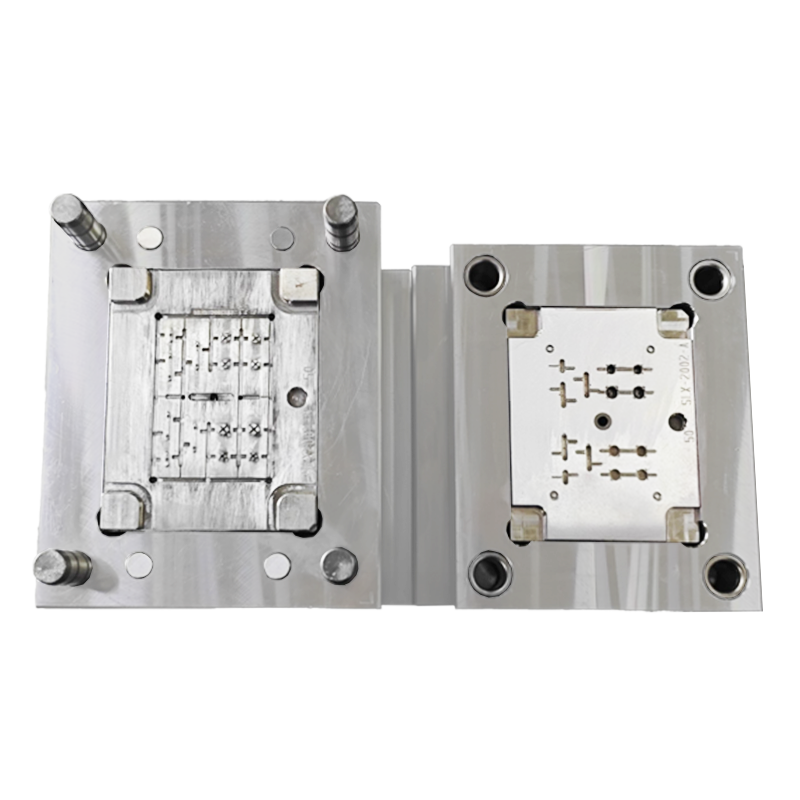
Design the mold to accommodate the specific needs of short run production, such as ease of modification and cost-effective manufacturing. Aluminum molds are often used for short runs due to their lower cost and faster production times.
3. Part Design
Optimize the part design for manufacturability, considering factors such as wall thickness, draft angles, and undercuts. This helps reduce the risk of defects and ensures high-quality parts.
4. Production Volume
Determine the required production volume to select the most cost-effective molding method. Short run molding is ideal for quantities ranging from a few dozen to a few thousand units.
5. Lead Time
Plan for the lead time required for mold fabrication and part production. Short run molding typically has shorter lead times compared to traditional molding.
6. Quality Control
Implement quality control measures to ensure the parts meet the required specifications and standards. This includes inspection, testing, and validation of the parts.
Steps in Short Run Plastic Injection Molding
The short run plastic injection molding process involves several key steps:
1. Design and Prototyping
Create a detailed design of the part and produce a prototype to test and validate the design.
2. Mold Fabrication
Fabricate the mold using cost-effective materials such as aluminum. Ensure the mold design allows for easy modifications if needed.
3. Material Preparation
Select and prepare the appropriate material for the molding process. This may include drying the material to remove moisture.
4. Injection Molding
Set up the injection molding machine and produce the parts. Monitor the process to ensure consistent quality and make adjustments as needed.
5. Post-Processing
Perform any necessary post-processing steps, such as trimming, assembly, or surface finishing.
6. Quality Control
Inspect and test the parts to ensure they meet the required specifications and standards.
Conclusion
Short run plastic injection molding is a versatile and cost-effective solution for producing small quantities of high-quality plastic parts. It offers numerous benefits, including flexibility, speed, and reduced risk, making it ideal for prototyping, custom manufacturing, and low-volume production. By considering factors such as material selection, mold design, and quality control, businesses can successfully leverage short run molding to meet their production needs. Whether for prototyping or producing specialized parts, short run plastic injection molding provides a reliable and efficient manufacturing option.

Dongguan Sanlixin Plastic Technology Co.,Ltd
Shenzhen Sanlixin Technology Co., Ltd. and Dongguan Sanlixin Plastic Technology Co., Ltd. is a manufacturer integrating precision plastic mold design, mold opening, single (double) color injection molding, IML injection molding processing, producing various single (double) color, IML process high-end appearance decorative structural parts, two-color buttons, USB dust plugs, panels and other plastic products, providing customers with fast, excellent, Midea all-round service, the company has 15 years of experience in precision plastic mold design, processing and production, with a variety of advanced machine injection molding equipment with excellent quality and fast service to win the trust and strong support of our customers.
Understanding the Injection Mold Process
Everything You Need to Know About Polyoxymethylene (POM)