Plastic Injection Molding Terminology: A Comprehensive Guide
Plastic Injection Molding Terminology: A Comprehensive Guide
Plastic injection molding is a widely used manufacturing process for producing high-quality plastic parts. However, understanding the terminology associated with this process is essential for optimizing production and ensuring successful outcomes. This article breaks down key terms, highlights their advantages and disadvantages, and provides a clear overview of the injection molding process.
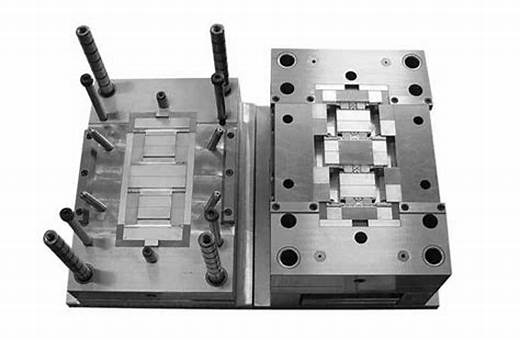
What is Plastic Injection Molding?
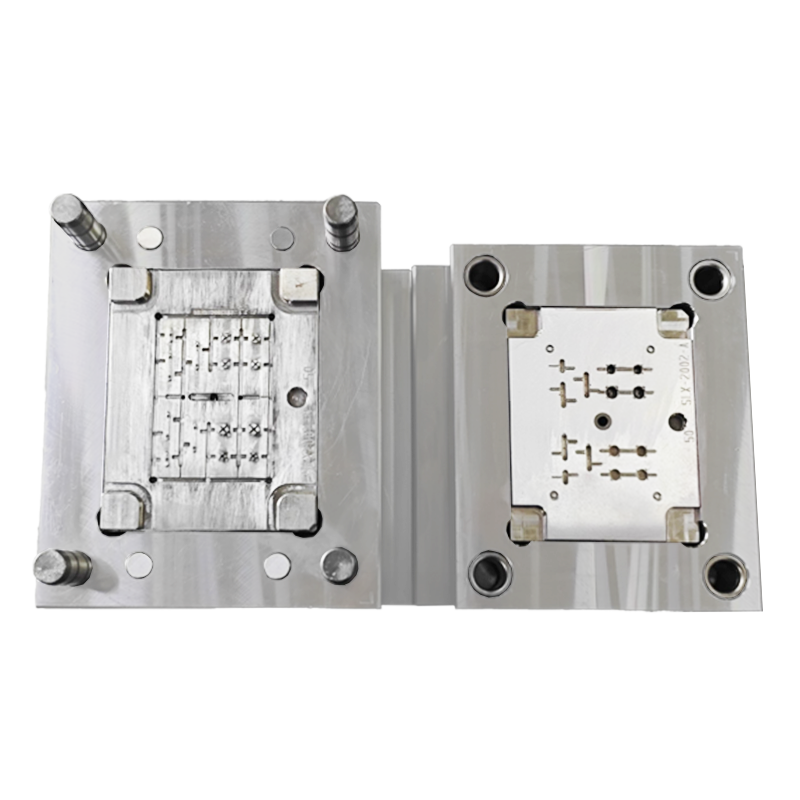
Plastic injection molding is a manufacturing process where molten plastic is injected into a mold to create a specific shape. Once the plastic cools and solidifies, the mold is opened, and the finished part is ejected. This process is used to produce a wide range of products, from small components to large automotive parts.
Key Terminology in Plastic Injection Molding
1. Mold
-
Definition: A hollow form that gives shape to the molten plastic.
-
Advantages:
-
Precision: Allows for highly accurate and consistent part production.
-
Versatility: Can be designed to create complex geometries.
-
-
Disadvantages:
-
High Initial Cost: Designing and manufacturing molds can be expensive.
-
Lead Time: Mold creation can take significant time, delaying production.
-
2. Runner System
-
Definition: Channels that guide molten plastic from the injection unit to the mold cavities.
-
Advantages:
-
Efficient Material Flow: Ensures even distribution of plastic.
-
Customizable: Can be designed to optimize flow for specific parts.
-
-
Disadvantages:
-
Material Waste: Excess plastic in runners may need to be recycled or discarded.
-
Complexity: Poorly designed runners can lead to defects like air traps or uneven filling.
-
3. Gate
-
Definition: The entry point where molten plastic enters the mold cavity.
-
Advantages:
-
Control Over Flow: Gates can be designed to control the speed and pressure of plastic injection.
-
Minimized Defects: Proper gate design reduces issues like warping or sink marks.
-
-
Disadvantages:
-
Potential for Visible Marks: Gates can leave small marks on the finished part.
-
Design Constraints: Gate placement must be carefully planned to avoid part weakness.
-
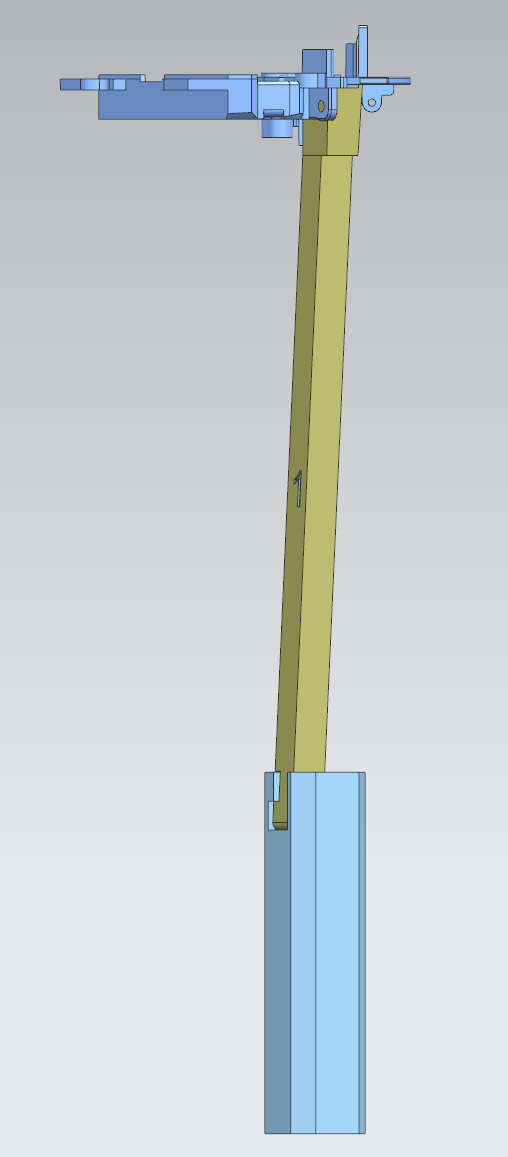
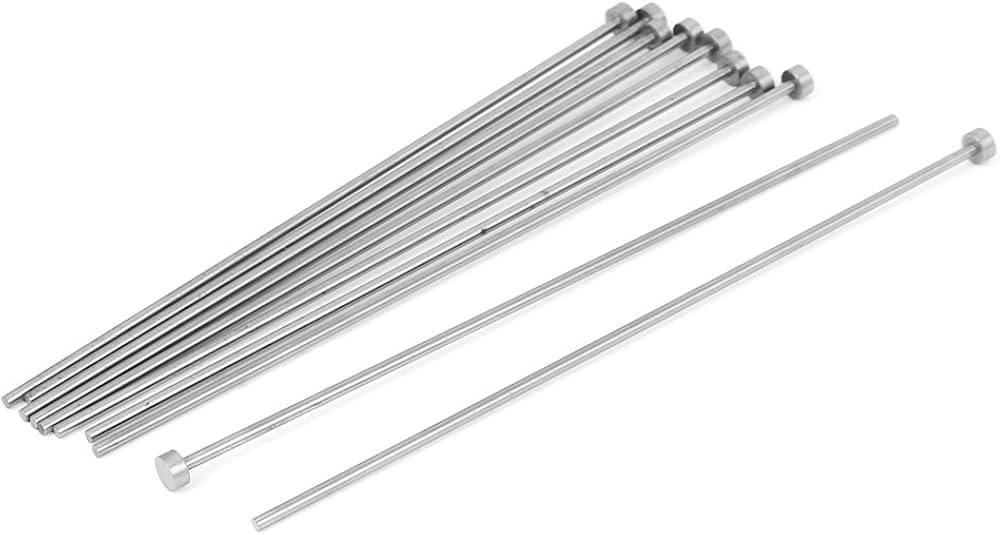
4. Ejector Pins
-
Definition: Pins that push the finished part out of the mold after cooling.
-
Advantages:
-
Efficient Part Removal: Ensures parts are ejected smoothly and without damage.
-
Durability: Made from strong materials to withstand repeated use.
-
-
Disadvantages:
-
Surface Marks: Can leave small indentations on the part surface.
-
Maintenance: Pins may require regular maintenance to prevent wear.
-
5. Clamping Force
-
Definition: The force applied to keep the mold closed during injection.
-
Advantages:
-
Prevents Flash: Ensures no excess plastic escapes from the mold.
-
Consistency: Maintains uniform part quality.
-
-
Disadvantages:
-
Energy Consumption: High clamping force requires more energy.
-
Machine Wear: Excessive force can lead to machine wear and tear.
-
6. Cooling Time
-
Definition: The time required for the molten plastic to solidify in the mold.
-
Advantages:
-
Part Integrity: Proper cooling ensures dimensional stability and strength.
-
Cycle Optimization: Balancing cooling time improves production efficiency.
-
-
Disadvantages:
-
Production Delays: Longer cooling times can slow down the overall process.
-
Design Constraints: Thicker parts require longer cooling, impacting cycle times.
-
Advantages of Plastic Injection Molding
-
High Efficiency: Capable of producing large quantities of parts quickly.
-
Precision and Consistency: Delivers high-quality, repeatable results.
-
Material Variety: Compatible with a wide range of thermoplastics.
-
Low Labor Costs: Automated processes reduce the need for manual labor.
Disadvantages of Plastic Injection Molding
-
High Initial Investment: Expensive machinery and mold design costs.
-
Design Limitations: Complex geometries may require advanced and costly molds.
-
Material Waste: Excess plastic from runners and sprues can lead to waste.
-
Long Lead Times: Mold creation and setup can delay production start.
Conclusion
Understanding the terminology of plastic injection molding is crucial for optimizing the manufacturing process and achieving high-quality results. While the process offers numerous advantages, such as efficiency, precision, and versatility, it also comes with challenges like high initial costs and design constraints. By mastering key terms like mold, runner system, gate, ejector pins, clamping force, and cooling time, manufacturers can make informed decisions and improve their production outcomes. Whether you're new to injection molding or an experienced professional, this guide serves as a valuable resource for navigating the complexities of this essential manufacturing process.

Dongguan Sanlixin Plastic Technology Co.,Ltd
Shenzhen Sanlixin Technology Co., Ltd. and Dongguan Sanlixin Plastic Technology Co., Ltd. is a manufacturer integrating precision plastic mold design, mold opening, single (double) color injection molding, IML injection molding processing, producing various single (double) color, IML process high-end appearance decorative structural parts, two-color buttons, USB dust plugs, panels and other plastic products, providing customers with fast, excellent, Midea all-round service, the company has 15 years of experience in precision plastic mold design, processing and production, with a variety of advanced machine injection molding equipment with excellent quality and fast service to win the trust and strong support of our customers.
Overmoulding Design Best Practices: Achieving Optimal Results
Understanding Aluminum Extrusion Dies