Types of Injection Molds: Examining Various Categories and Features
Introduction
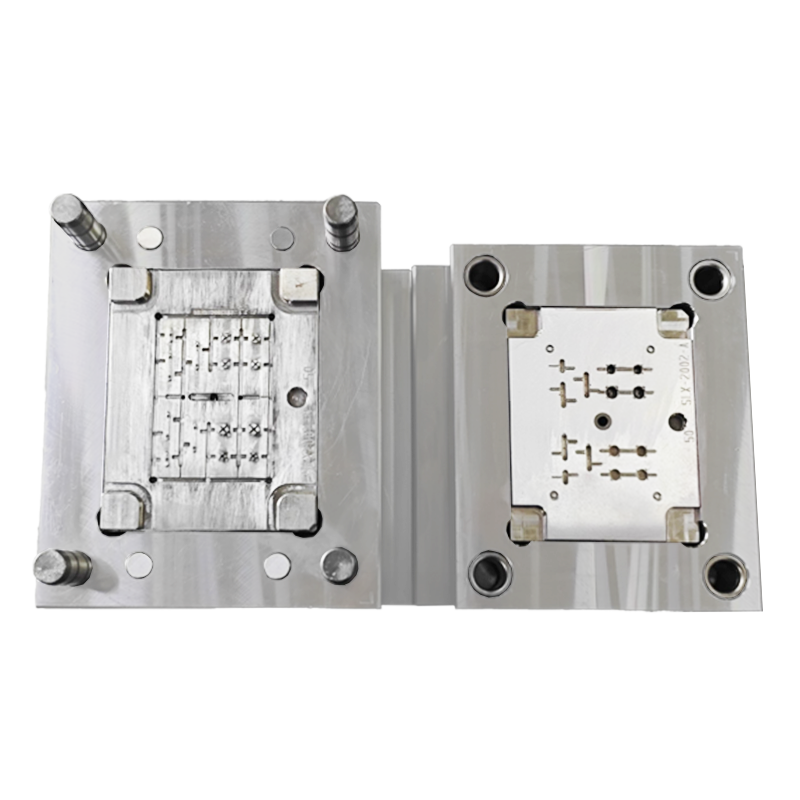
Injection molding is a versatile manufacturing process used to produce a wide range of plastic parts. At the heart of this process lies the injection mold, a custom-designed tool that shapes the molten material into the desired form. Understanding the different types of injection molds and their unique features is crucial for optimizing production and achieving high-quality results. This article explores the various categories of injection molds, their characteristics, and their applications.
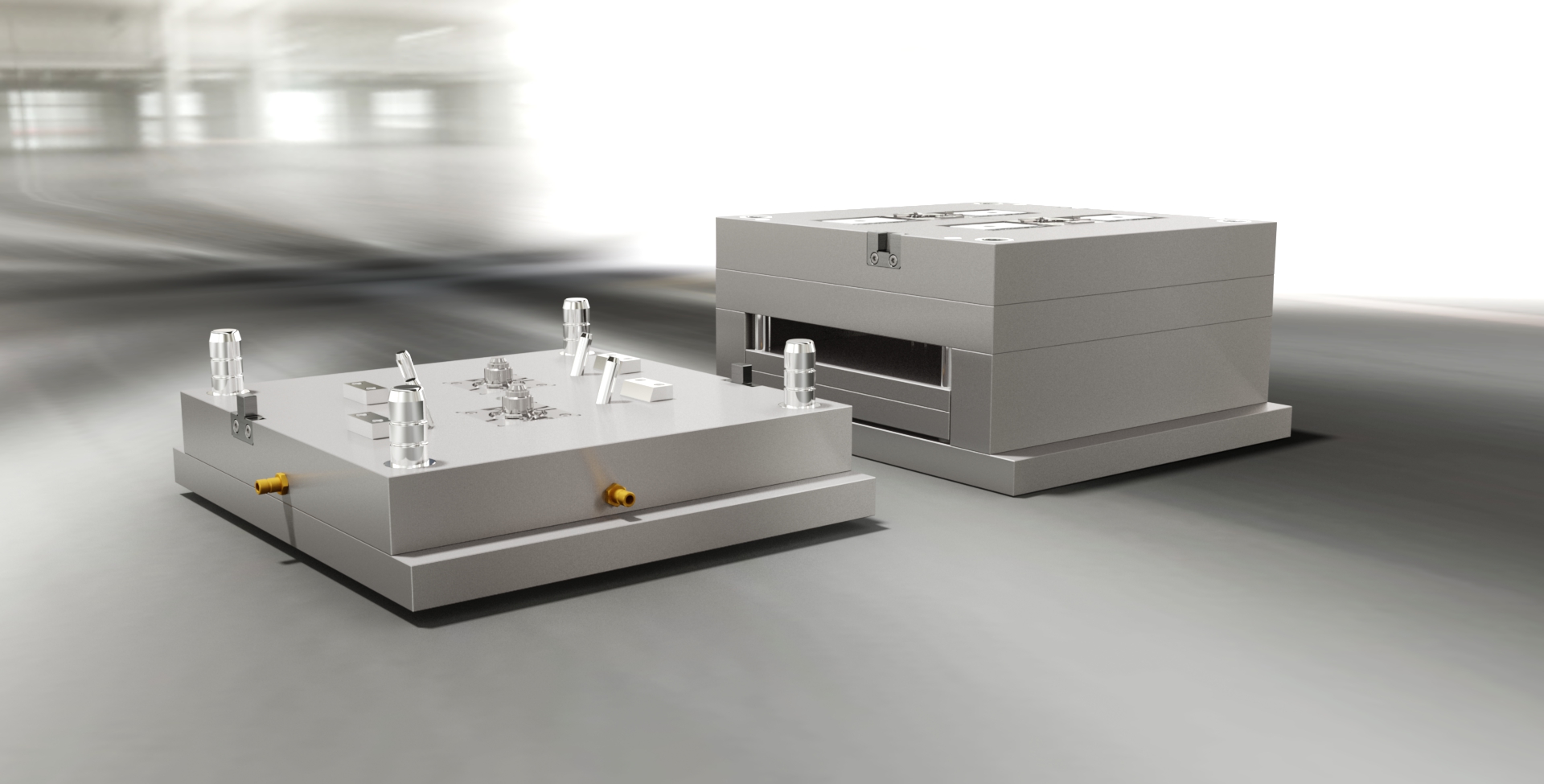
1. Single-Cavity vs. Multi-Cavity Molds
Injection molds can be categorized based on the number of cavities they contain, which directly impacts production efficiency and part consistency.
Single-Cavity Molds
- Features: Contains one cavity, producing one part per cycle.
- Applications: Ideal for low-volume production, prototyping, and large parts.
- Advantages: Lower initial cost, simpler design, and easier maintenance.
Multi-Cavity Molds
- Features: Contains multiple cavities, producing several identical parts per cycle.
- Applications: Suitable for high-volume production of small to medium-sized parts.
- Advantages: Higher production efficiency, reduced per-part cost, and consistent part quality.
2. Two-Plate vs. Three-Plate Molds
Injection molds can also be classified based on their plate configuration, which affects the complexity and functionality of the mold.
Two-Plate Molds
- Features: Consists of two plates: the cavity plate and the core plate.
- Applications: Commonly used for simple parts with straightforward ejection requirements.
- Advantages: Simpler design, lower cost, and easier maintenance.
Three-Plate Molds
- Features: Includes an additional plate for separating the runner system from the part.
- Applications: Suitable for complex parts requiring multiple gates or automated runner separation.
- Advantages: Allows for more complex part designs, automated runner removal, and better gate placement flexibility.
3. Hot Runner vs. Cold Runner Molds
The choice between hot runner and cold runner molds depends on the specific requirements of the production process and the desired part quality.
Hot Runner Molds
- Features: Uses a heated manifold to keep the molten material in a liquid state within the runner system.
- Applications: Ideal for high-volume production and parts requiring minimal waste.
- Advantages: Reduced material waste, faster cycle times, and improved part quality.
Cold Runner Molds
- Features: The runner system cools and solidifies along with the part, requiring separation after ejection.
- Applications: Suitable for low to medium-volume production and materials sensitive to heat.
- Advantages: Lower initial cost, simpler design, and easier material changeover.
4. Stack Molds
Stack molds are a specialized type of multi-cavity mold designed to increase production capacity without increasing the machine size.
- Features: Consists of multiple mold layers stacked on top of each other, effectively doubling or tripling the number of cavities.
- Applications: Used in high-volume production of small to medium-sized parts, such as bottle caps and containers.
- Advantages: Increased production capacity, reduced per-part cost, and efficient use of machine space.
Overmolding and Insert Molding
Overmolding and insert molding are specialized processes that involve molding additional material around a pre-existing part or insert.
Overmolding
- Features: Involves molding a second material over a previously molded part.
- Applications: Used to create soft-touch grips, multi-material components, and enhanced product aesthetics.
- Advantages: Improved product functionality, enhanced ergonomics, and reduced assembly steps.
Insert Molding
- Features: Involves molding plastic around a pre-inserted component, such as a metal part or electronic component.
- Applications: Commonly used in automotive, electronics, and medical device manufacturing.
- Advantages: Stronger part integration, reduced assembly costs, and improved part reliability.
Conclusion
Injection molds come in various types, each with unique features and advantages tailored to specific production needs. From single-cavity and multi-cavity molds to hot runner and cold runner systems, understanding the different categories of injection molds is essential for optimizing manufacturing processes and achieving high-quality results. By selecting the appropriate mold type for your application, you can enhance production efficiency, reduce costs, and create superior products that meet the demands of today's industries.

Dongguan Sanlixin Plastic Technology Co.,Ltd
Shenzhen Sanlixin Technology Co., Ltd. and Dongguan Sanlixin Plastic Technology Co., Ltd. is a manufacturer integrating precision plastic mold design, mold opening, single (double) color injection molding, IML injection molding processing, producing various single (double) color, IML process high-end appearance decorative structural parts, two-color buttons, USB dust plugs, panels and other plastic products, providing customers with fast, excellent, Midea all-round service, the company has 15 years of experience in precision plastic mold design, processing and production, with a variety of advanced machine injection molding equipment with excellent quality and fast service to win the trust and strong support of our customers.
3D Printing vs Compression Molding: Which One To Choose?
Injection Moulding Basics: A Comprehensive Guide