Injection Moulding Basics: A Comprehensive Guide

Injection Moulding Basics: A Comprehensive Guide
Introduction
Injection moulding is one of the most widely used manufacturing processes for producing plastic parts. It is a versatile, efficient, and cost-effective method for creating high-quality components in large volumes. This article provides an overview of the injection moulding process, its key components, and its applications across various industries.
What is Injection Moulding?
Injection moulding is a manufacturing process in which molten material, typically plastic, is injected into a mould to produce a specific shape. Once the material cools and solidifies, the mould opens, and the finished part is ejected. This process is highly repeatable, making it ideal for mass production.
Key Advantages of Injection Moulding
- High Efficiency: Capable of producing large quantities of parts quickly.
- Precision: Produces parts with high accuracy and consistency.
- Versatility: Suitable for a wide range of materials and complex geometries.
- Cost-Effective: Low per-unit cost for high-volume production.
Key Components of Injection Moulding
The injection moulding process involves several critical components that work together to produce high-quality parts.
1. Injection Moulding Machine
The injection moulding machine, or press, is the core equipment used in the process. It consists of two main parts:
- Injection Unit: Melts and injects the material into the mould.
- Clamping Unit: Holds the mould in place during injection and cooling.
2. Mould
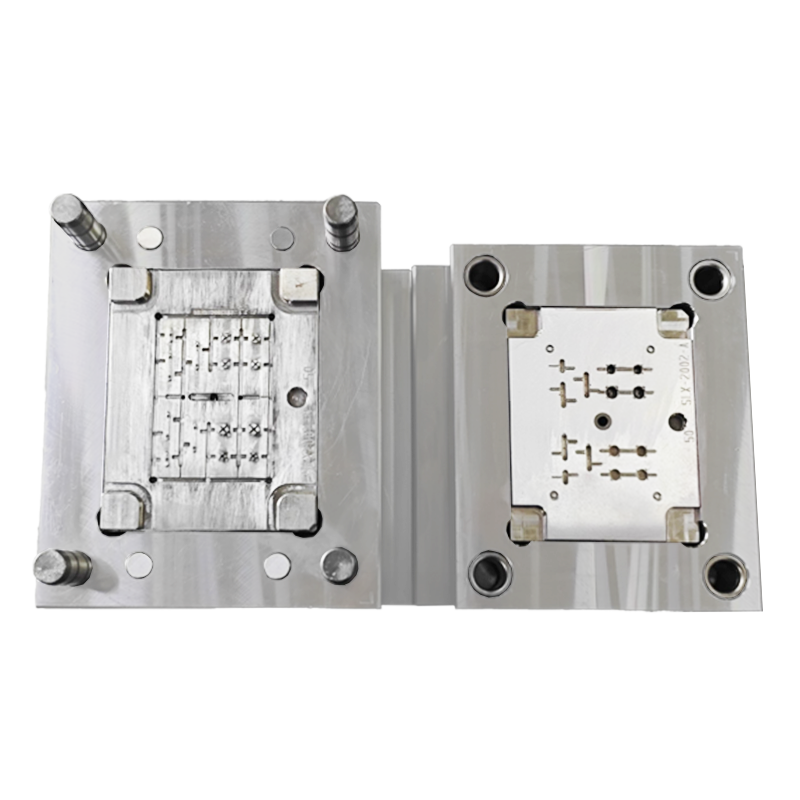
The mould is a custom-designed tool that defines the shape and features of the final part. It is typically made from steel or aluminium and consists of two halves: the cavity and the core.
3. Raw Material
Thermoplastic polymers are the most commonly used materials in injection moulding. The material is fed into the machine in the form of pellets, which are melted and injected into the mould.
4. Ejector System
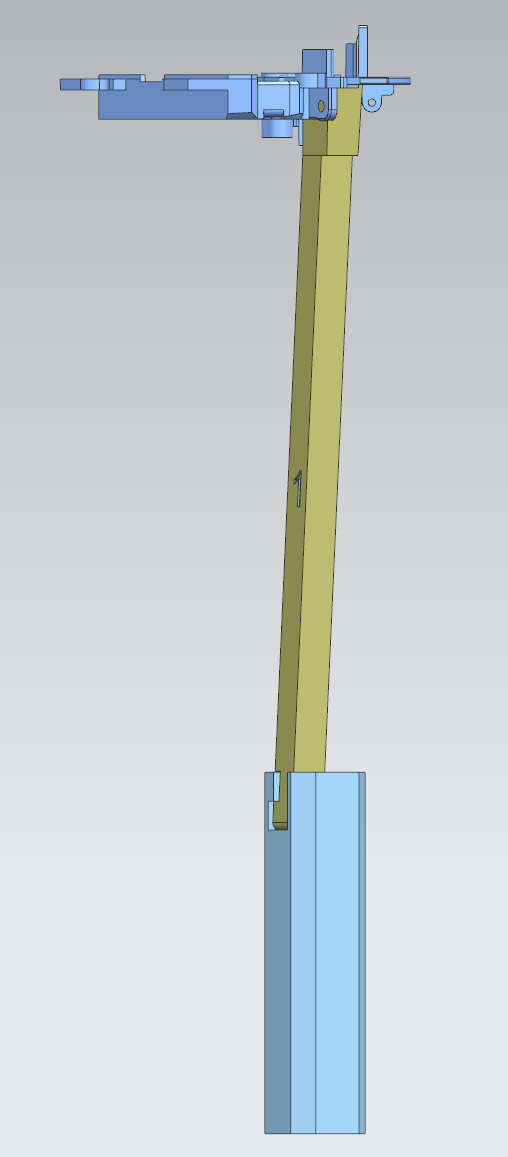
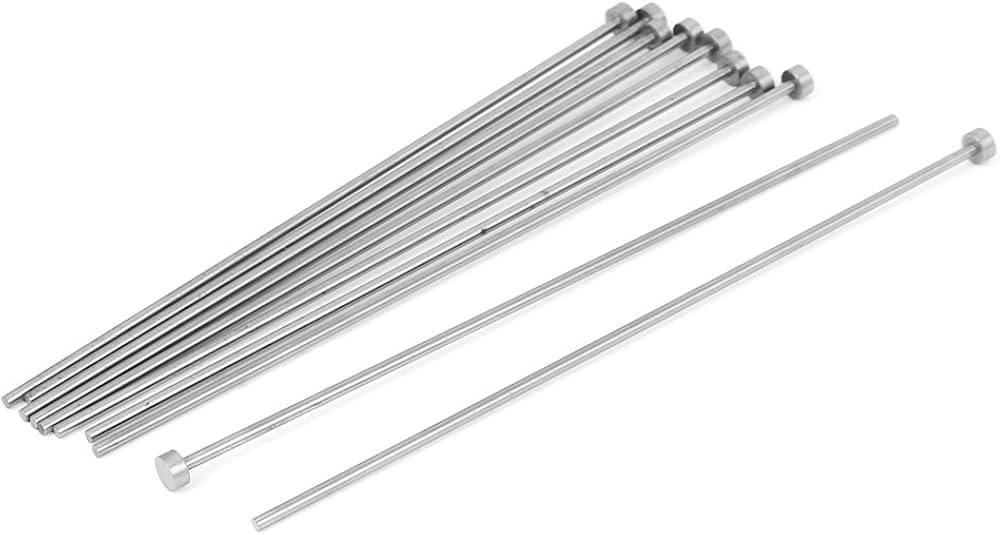
Once the part has cooled and solidified, the ejector system pushes it out of the mould, allowing for continuous production.
The Injection Moulding Process
The injection moulding process can be broken down into several key stages:
1. Clamping
The two halves of the mould are securely clamped together by the clamping unit to withstand the pressure of the injected material.
2. Injection
Molten material is injected into the mould cavity under high pressure. The material fills the cavity, taking the shape of the mould.
3. Cooling
The material cools and solidifies within the mould. Cooling time depends on the material and part design.
4. Ejection
Once the part has cooled, the mould opens, and the ejector system pushes the finished part out of the mould.
5. Repeat
The process is repeated to produce additional parts. Injection moulding machines can operate continuously, making them highly efficient for mass production.
Applications of Injection Moulding
Injection moulding is used across a wide range of industries to produce various components and products.
1. Automotive
Injection moulding is used to produce interior and exterior components, such as dashboards, bumpers, and light housings.
2. Consumer Goods
Everyday items such as plastic containers, toys, and household appliances are commonly manufactured using injection moulding.
3. Medical Devices
Precision components for medical devices, including syringes, IV connectors, and surgical instruments, are often produced through injection moulding.
4. Electronics
Injection moulding is used to create casings, connectors, and other components for electronic devices.
Design Considerations for Injection Moulding
To ensure successful injection moulding, several design considerations must be taken into account:
1. Wall Thickness
Uniform wall thickness helps prevent defects such as warping, sink marks, and voids.
2. Draft Angles
Adding draft angles to the design facilitates easier ejection of the part from the mould.
3. Ribs and Bosses
Ribs and bosses can be added to enhance the strength and functionality of the part without increasing wall thickness.
4. Gate Location
The gate is the point where the molten material enters the mould. Proper gate placement ensures even filling and reduces defects.
Conclusion
Injection moulding is a cornerstone of modern manufacturing, offering a highly efficient and versatile method for producing plastic parts. By understanding the basics of the process, its key components, and design considerations, manufacturers can optimize production and create high-quality components for a wide range of applications. Whether in automotive, consumer goods, medical devices, or electronics, injection moulding continues to play a vital role in shaping the products we use every day.

Dongguan Sanlixin Plastic Technology Co.,Ltd
Shenzhen Sanlixin Technology Co., Ltd. and Dongguan Sanlixin Plastic Technology Co., Ltd. is a manufacturer integrating precision plastic mold design, mold opening, single (double) color injection molding, IML injection molding processing, producing various single (double) color, IML process high-end appearance decorative structural parts, two-color buttons, USB dust plugs, panels and other plastic products, providing customers with fast, excellent, Midea all-round service, the company has 15 years of experience in precision plastic mold design, processing and production, with a variety of advanced machine injection molding equipment with excellent quality and fast service to win the trust and strong support of our customers.
Types of Injection Molds: Examining Various Categories and Features
Biopolymers in Plastic Injection Molding: A Sustainable Revolution