How to Properly Setup an Injection Molding Machine
How to Properly Setup an Injection Molding Machine
Introduction to Injection Molding Machine Setup
Properly setting up an injection molding machine is crucial for achieving high-quality production, minimizing defects, and ensuring efficient operation. A well-configured machine can significantly impact the consistency, precision, and overall success of the molding process. This guide outlines the key steps and considerations for setting up an injection molding machine correctly.
Key Steps for Setting Up an Injection Molding Machine
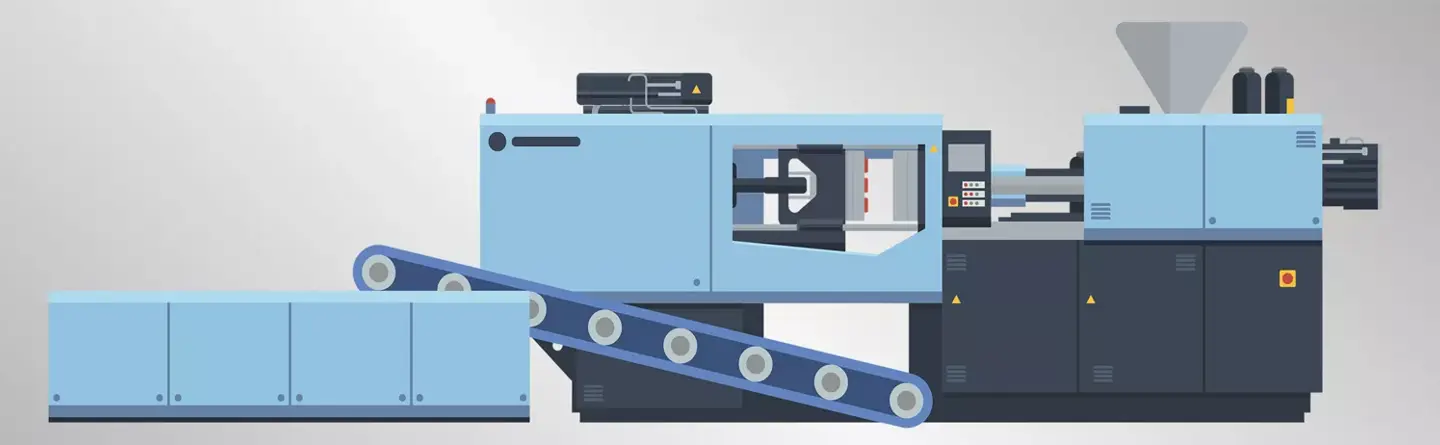
Setting up an injection molding machine involves several critical steps. Below is a detailed breakdown of the process:
1. Machine Preparation
Before starting the setup, ensure the machine is clean and in good working condition.
Steps:
- Clean the Machine: Remove any residual material from previous runs to prevent contamination.
- Inspect Components: Check the mold, hopper, barrel, and other components for wear and damage.
- Lubricate Moving Parts: Ensure all moving parts are properly lubricated to reduce friction and wear.
2. Mold Installation
Proper mold installation is essential for achieving consistent and high-quality parts.
Steps:
- Select the Correct Mold: Ensure the mold is appropriate for the part being produced.
- Secure the Mold: Use clamps or bolts to securely fasten the mold to the machine's platens.
- Align the Mold: Ensure proper alignment to prevent uneven wear and defects in the molded parts.
- Connect Cooling Lines: Attach and verify the cooling lines to ensure efficient temperature control.
3. Material Preparation
Proper preparation of the molding material is crucial for achieving optimal results.
Steps:
- Select the Right Material: Choose the appropriate resin based on the part requirements.
- Dry the Material: If necessary, dry the material to remove moisture that could cause defects.
- Load the Hopper: Fill the hopper with the prepared material, ensuring a consistent supply.
4. Machine Configuration
Configure the machine settings to match the specific requirements of the mold and material.
Steps:
- Set Temperature Profiles: Configure the barrel, nozzle, and mold temperatures based on the material specifications.
- Adjust Injection Pressure and Speed: Set the injection pressure and speed to ensure proper filling of the mold.
- Configure Holding Pressure and Time: Adjust the holding pressure and time to prevent sink marks and ensure part integrity.
- Set Cooling Time: Determine the appropriate cooling time to allow the part to solidify properly.
5. Trial Run and Adjustment
Conduct a trial run to identify and correct any issues before full-scale production.
Steps:
- Run a Test Cycle: Produce a few parts to check for defects and inconsistencies.
- Inspect Parts: Examine the parts for defects such as warping, sink marks, or flash.
- Adjust Settings: Fine-tune the machine settings based on the trial run results to optimize part quality.
6. Quality Assurance
Implement quality control measures to ensure consistent production of high-quality parts.
Steps:
- Monitor Production: Continuously monitor the production process for any deviations or defects.
- Perform Regular Inspections: Conduct regular inspections of the parts and machine components.
- Maintain Records: Keep detailed records of machine settings, production runs, and quality checks for future reference.
Best Practices for Injection Molding Machine Setup
Following best practices can help ensure a successful setup and optimal performance:
1. Follow Manufacturer Guidelines
Adhere to the machine and mold manufacturer's guidelines for setup, operation, and maintenance.
2. Use High-Quality Materials
Invest in high-quality resins and molds to achieve better results and reduce the risk of defects.
3. Train Operators
Ensure that machine operators are well-trained and understand the setup process and machine operation.
4. Regular Maintenance
Perform regular maintenance on the machine and mold to prevent issues and extend their lifespan.
5. Continuous Improvement
Continuously analyze production data and seek opportunities for improvement in the setup and operation process.
Conclusion
Properly setting up an injection molding machine is essential for achieving high-quality production and efficient operation. By following the key steps outlined in this guide—machine preparation, mold installation, material preparation, machine configuration, trial run and adjustment, and quality assurance—manufacturers can optimize their injection molding processes. Adhering to best practices and continuously seeking improvements will further enhance the success and sustainability of the production process.
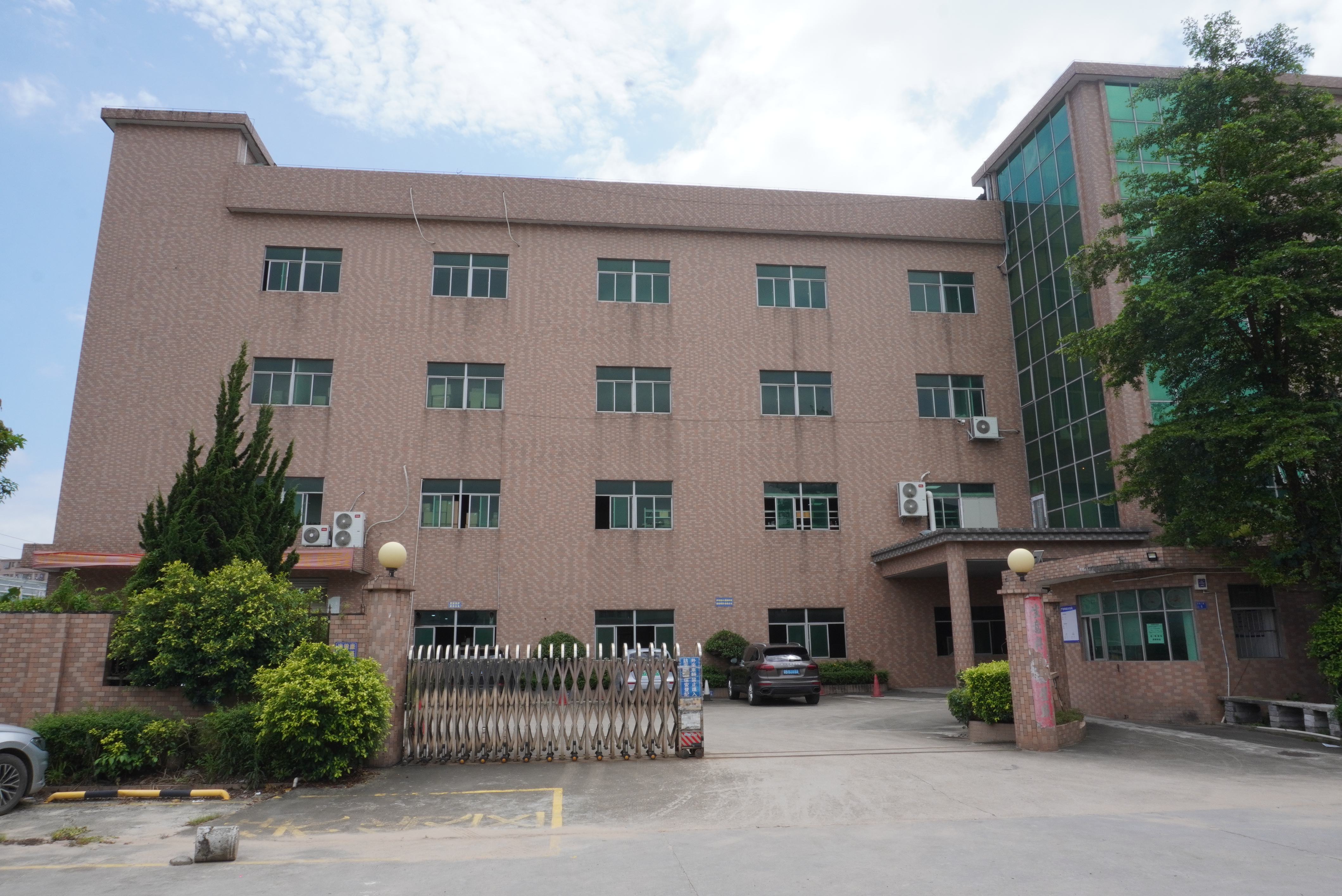
Dongguan Sanlixin Plastic Technology Co.,Ltd
Shenzhen Sanlixin Technology Co., Ltd. and Dongguan Sanlixin Plastic Technology Co., Ltd. is a manufacturer integrating precision plastic mold design, mold opening, single (double) color injection molding, IML injection molding processing, producing various single (double) color, IML process high-end appearance decorative structural parts, two-color buttons, USB dust plugs, panels and other plastic products, providing customers with fast, excellent, Midea all-round service, the company has 15 years of experience in precision plastic mold design, processing and production, with a variety of advanced machine injection molding equipment with excellent quality and fast service to win the trust and strong support of our customers.
Everything You Need to Know About Polyoxymethylene (POM)
How Sensor Connectivity is Streamlining Automation in Injection Molding Processes