How Sensor Connectivity is Streamlining Automation in Injection Molding Processes
How Sensor Connectivity is Streamlining Automation in Injection Molding Processes
Introduction to Sensor Connectivity in Injection Molding
Injection molding is a critical manufacturing process used to produce a wide range of plastic products. With the advent of Industry 4.0, sensor connectivity has become a game-changer in streamlining and automating injection molding processes. By integrating advanced sensors and IoT (Internet of Things) technologies, manufacturers can achieve greater precision, efficiency, and quality control. This article explores how sensor connectivity is revolutionizing automation in injection molding.
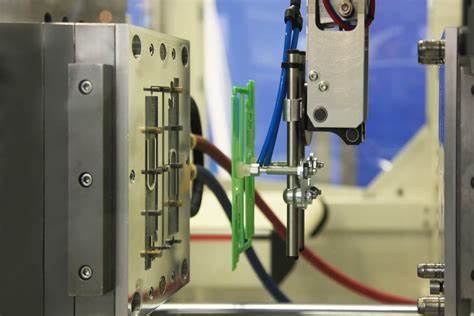
Key Benefits of Sensor Connectivity in Injection Molding
Sensor connectivity offers numerous advantages that enhance the automation and efficiency of injection molding processes:
1. Real-Time Monitoring and Control
Sensors provide real-time data on various parameters such as temperature, pressure, and cycle time. This allows for immediate adjustments and precise control over the molding process, ensuring consistent product quality.
2. Predictive Maintenance
Connected sensors can monitor the condition of machinery and predict potential failures before they occur. This reduces downtime and maintenance costs by enabling proactive maintenance.
3. Enhanced Quality Control
Sensors can detect defects and inconsistencies during the production process, allowing for real-time corrections. This minimizes waste and ensures that only high-quality products are produced.
4. Improved Efficiency
Automation through sensor connectivity optimizes the injection molding process, reducing cycle times and increasing throughput. This leads to higher productivity and lower operational costs.
5. Data-Driven Decision Making
The data collected by sensors can be analyzed to gain insights into the production process. This enables data-driven decision-making, leading to continuous improvement and innovation.
Applications of Sensor Connectivity in Injection Molding
Sensor connectivity is being utilized in various aspects of the injection molding process to enhance automation and efficiency:
1. Temperature Monitoring
Sensors monitor the temperature of the mold and the molten plastic, ensuring optimal conditions for the molding process. This prevents defects caused by improper temperatures.
2. Pressure Monitoring
Pressure sensors track the injection pressure and holding pressure, ensuring that the plastic fills the mold completely and uniformly. This improves the quality and consistency of the molded parts.
3. Cycle Time Optimization
Sensors measure the duration of each cycle and identify bottlenecks or inefficiencies. This data is used to optimize cycle times and increase production speed.
4. Mold Condition Monitoring
Sensors monitor the condition of the mold, detecting wear and tear or potential issues. This allows for timely maintenance and prolongs the lifespan of the mold.
5. Quality Inspection
Vision sensors and other inspection technologies are used to detect defects such as voids, cracks, or surface imperfections. This ensures that only high-quality parts are produced.
Technologies Enabling Sensor Connectivity
Several advanced technologies are driving the integration of sensor connectivity in injection molding:
1. IoT (Internet of Things)
IoT enables the connection of sensors and devices to a central system, allowing for real-time data collection, analysis, and control. This facilitates seamless communication and automation.
2. Machine Learning and AI
Machine learning algorithms and AI analyze the data collected by sensors to identify patterns, predict outcomes, and optimize the injection molding process.
3. Cloud Computing
Cloud-based platforms store and process the vast amounts of data generated by sensors. This enables remote monitoring, data sharing, and collaborative decision-making.
4. Wireless Sensor Networks
Wireless sensors eliminate the need for complex wiring, making it easier to integrate sensor connectivity into existing injection molding systems.
Challenges and Considerations
While sensor connectivity offers numerous benefits, there are some challenges and considerations to keep in mind:
1. Initial Investment
The integration of advanced sensors and IoT technologies requires a significant initial investment. However, the long-term benefits often outweigh the costs.
2. Data Security
Ensuring the security of the data collected and transmitted by sensors is crucial. Robust cybersecurity measures must be implemented to protect sensitive information.
3. Integration with Existing Systems
Integrating new sensor technologies with existing injection molding systems can be complex. Careful planning and expertise are required to ensure seamless integration.
4. Maintenance and Calibration
Sensors require regular maintenance and calibration to ensure accurate and reliable data. This adds to the operational costs and complexity.
Conclusion
Sensor connectivity is revolutionizing the injection molding industry by enabling real-time monitoring, predictive maintenance, enhanced quality control, and improved efficiency. The integration of advanced technologies such as IoT, machine learning, and cloud computing is driving the automation and optimization of injection molding processes. While there are challenges to consider, the benefits of sensor connectivity far outweigh the drawbacks, making it a crucial component of modern manufacturing. By embracing these technologies, manufacturers can achieve greater precision, productivity, and competitiveness in the injection molding industry.
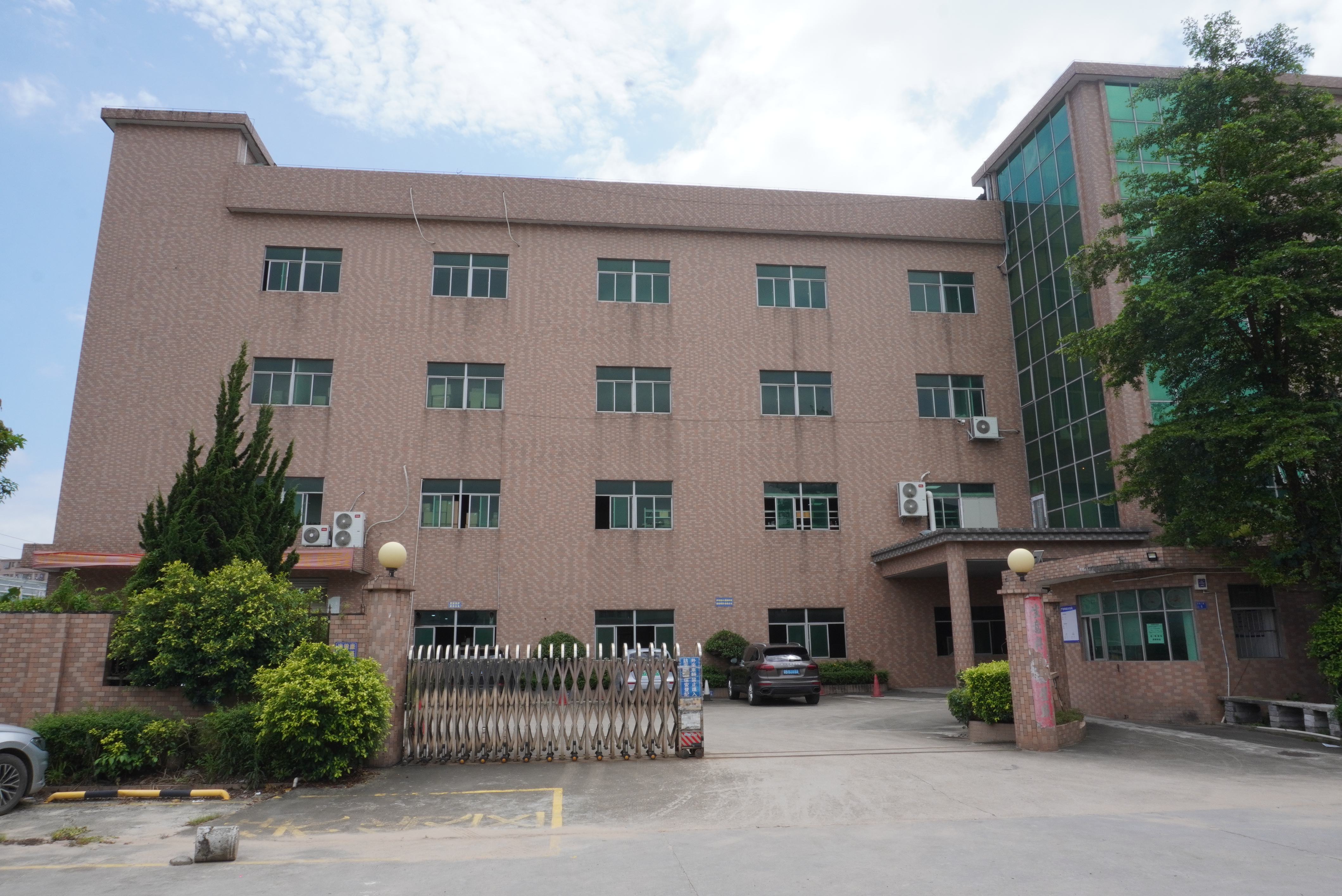
Dongguan Sanlixin Plastic Technology Co.,Ltd
Shenzhen Sanlixin Technology Co., Ltd. and Dongguan Sanlixin Plastic Technology Co., Ltd. is a manufacturer integrating precision plastic mold design, mold opening, single (double) color injection molding, IML injection molding processing, producing various single (double) color, IML process high-end appearance decorative structural parts, two-color buttons, USB dust plugs, panels and other plastic products, providing customers with fast, excellent, Midea all-round service, the company has 15 years of experience in precision plastic mold design, processing and production, with a variety of advanced machine injection molding equipment with excellent quality and fast service to win the trust and strong support of our customers.
How to Properly Setup an Injection Molding Machine
plastic injection