Boost Your Efficiency with Thread Milling: 9 Reasons Why
What is Thread Milling?
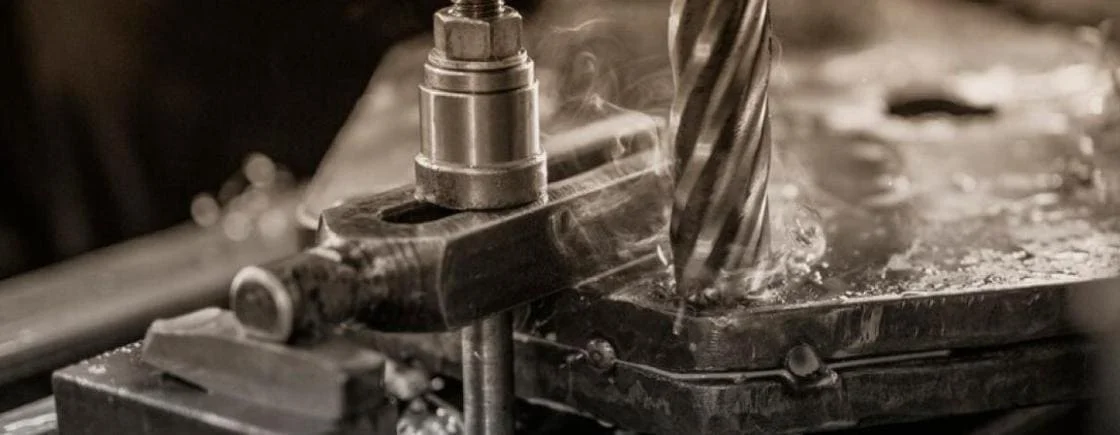
Thread milling is a versatile metalworking process that can machine internal and external threads of various sizes. Unlike tapping, thread milling involves the circular motion of a rotating tool to generate the pitch through lateral movement. This technique is particularly suitable for larger holes, although modern solid carbide thread mills can also handle smaller threaded holes. In this comprehensive guide, we will delve into the world of thread milling, exploring its versatility, advantages, and the different types of tools available. Learn how thread milling offers precise thread control, excellent surface finishes, and the ability to adjust thread sizes to meet tight tolerances or finishing requirements. Join us as we uncover the potential of thread milling and its impact on modern machining operations.
What is Thread Milling Used For?
Thread milling is a metalworking process used to machine threads in holes of various sizes, especially those with larger diameters. It differs from tapping in that the tool used for thread milling is smaller than the hole to be threaded. Instead of moving linearly like a tap, the tool moves along a circular path around the circumference of the hole to cut the threads. This technique offers several advantages over tapping, including better thread quality, the ability to adjust thread sizes, and the capability to thread a range of different-sized holes with a single tool. Thread milling is commonly used in machining operations that require precise thread control, excellent surface finishes, and the ability to handle tight tolerances or specific finishing requirements.
How Does Thread Milling Work?
Thread milling is a metalworking process that involves threading holes of various sizes, particularly those with larger diameters. Unlike tapping, which uses a more significant tool to cut threads, thread milling uses a smaller tool that moves along a circular path around the circumference of the hole to form the threads. This process is commonly used in machining operations that require precise thread control, excellent surface finishes, and the ability to handle tight tolerances or specific finishing requirements.
Advantages of Thread Milling:
- Ability to machine a range of hole sizes with a single tool.
- Production of pipe threads without troublesome chips.
- Better thread quality and smoother surface finishes compared to tapping.
- Flexibility to design custom threads.
- Reduced tool inventory costs and the ability to machine threads to full depth with high precision, even in hardened materials.
It is important to note that thread milling requires machine tools capable of simultaneous movement in the X, Y, and Z axes. Depending on the specific application and requirements, solid carbide thread mills or indexable insert mills can be used.
How is Thread Milling Different from Other Milling Types?
Tool Size:
In thread milling, the diameter of the cutting tool used is smaller compared to the thread being created. This allows for more precise control and flexibility in adjusting thread sizes. On the other hand, tapping uses a tool that matches the thread diameter.
Cutting Path:
Thread milling involves the tool moving along a circular path in the horizontal x-y plane with a constant, low-speed movement in the vertical z-axis. This circular motion allows for the creation of threads that travel along the z-direction through the hole. In contrast, tapping involves the tool moving in a straight line into the workpiece to create threads.
Thread Quality:
Thread milling typically produces better thread quality and smoother surface finishes compared to tapping. Tapping can result in jagged threads as chips get trapped and may tear the threads. Thread milling allows for more precise control over the thread profile, resulting in higher-quality threads.
Flexibility:
Thread milling offers greater flexibility in adjusting thread sizes and pitches. Thread sizes and pitches can be easily modified through CNC machine programming in thread milling. This flexibility allows for customization and adaptation to specific design requirements. In contrast, tapping requires different taps for each thread size and pitch variation.
Tool Options:
Thread milling can be performed using solid carbide thread mills or indexable insert mills. Solid carbide thread mills are suitable for a wide range of materials and offer high precision. Indexable insert thread mills have the advantage of using a single tool body for various hole sizes, reducing tool inventory costs.
What Are the Types of Thread Mills?
Single-Form Thread Mills:
These tools have a single row of teeth and are suitable for both internal and external threads. They are commonly used for medium to large threads.
Multi-Form Thread Mills:
Multi-form thread mills have multiple rows of teeth and are used for internal threads. They can produce higher accuracy and faster cutting speeds compared to single-form thread mills.
Tri-Form Thread Mills:
Tri-form thread mills have three flutes and are designed for both internal and external threads. They offer improved chip evacuation and are suitable for difficult-to-machine materials.
Thread Relief Mills:
Thread relief mills create a relief groove at the bottom of the thread. This groove helps improve chip evacuation and reduces the risk of thread damage.
Solid Carbide Thread Mills:
Solid carbide thread mills are made from a single piece of carbide material, offering high durability and precision. They are suitable for a wide range of materials, including hardened steel.
Indexable Insert Thread Mills:
Indexable insert thread mills use replaceable inserts to cut threads. They are easy to replace and cost-effective for high-volume production.
What Are the Advantages of Thread Milling?
Versatility:
A single thread mill can machine both internal and external threads, left-hand and right-hand threads, and threads of different diameters. This versatility reduces the need for multiple tools and simplifies the machining process.
Lower Power and Torque Requirements:
Due to lower engagement with the workpiece, thread milling requires less power and torque than tapping. This reduces stress on the machine tool and extends tool life.
Reduced Tool Wear:
Thread milling has lower engagement with the workpiece compared to tapping, resulting in reduced tool wear. This leads to longer tool life and lower tooling costs.
Ability to Machine Difficult Materials:
Thread milling can be used on difficult-to-machine materials such as hardened steel, titanium, and other challenging materials. It allows for efficient threading in these materials while minimizing the risk of workpiece deformation and tool breakage.
Higher Thread Quality:
Thread milling offers excellent cutting conditions and produces higher-quality threads. It provides better surface finishes, tighter tolerances, and superior thread profiles compared to other threading methods.
Flexibility in Thread Design:
Thread milling offers greater flexibility in thread design. It supports the creation of custom thread profiles and allows for easy adjustment of thread sizes and pitches through CNC machine programming.
Suitability for Blind Holes:
Thread milling is particularly beneficial for threading blind holes. It allows for precise navigation and threading in deep blind holes without requiring a hole deeper than the thread length.
What Are the Disadvantages of Thread Milling?
Slower Process:
In some applications, thread milling can be slower than tapping. If a hole can be threaded quickly and reliably with a tap, thread milling may take longer to complete the threading process.
Machine Requirements:
Thread milling requires more sophisticated machinery than tapping. CNC machines are essential for the process, and it cannot be performed without them.
Cost:
Solid carbide thread mills, commonly used in thread milling, can be more expensive than other threading tools. However, the cost-effectiveness depends on the specific application and the required thread quality.
Learning Curve:
Thread milling may have a learning curve for operators familiar with traditional threading methods such as tapping. Proper programming and tool selection are crucial for successful thread milling.
Limited to Larger Holes:
Thread milling is primarily used for larger holes. While modern solid carbide thread mills can machine small threaded holes, there may be limitations on the minimum hole size that can be effectively threaded.
How to Perform Thread Milling?
Select the Appropriate Milling Cutter
Choose a thread milling cutter suitable for your specific application, material, and thread requirements. Consider factors such as tool type (single-form, multi-form, tri-form), tool diameter, and pitch.
Prepare the Workpiece
Secure the workpiece in the milling machine or CNC milling machine. Ensure it is properly aligned and clamped to prevent movement during the milling process.
Set Up the Machine
Set up the milling machine or CNC milling machine according to the manufacturer's instructions. This includes securely installing the thread milling cutter in the machine spindle and adjusting the machine settings based on the desired thread specifications.
Program the Machine
Program the machine for thread milling using the appropriate programming language (e.g., G-code). The specific code will depend on the machine and controller being used. Refer to the machine manual or online resources for programming thread milling operations.
Execute the Thread Milling Operation
Once the machine is programmed, initiate the thread milling operation. The machine will move the cutter along the workpiece, gradually cutting the thread. The tool may pass through multiple threads to achieve the desired thread depth and quality.
Monitor and Adjust
Monitor the operation during thread milling to ensure the tool is cutting smoothly and producing the desired thread profile. Adjust machine settings or tool position if necessary.
Inspect the Thread
After completing the thread milling operation, inspect the thread for accuracy and quality. Use appropriate measuring tools (e.g., thread gauges) to verify thread dimensions and ensure they meet the required specifications.
What Are the Tips for Thread Milling?
Choose the Right Milling Cutter
Select a high-quality thread milling cutter suitable for your specific application, material, and thread requirements. Consider factors such as tool type, tool diameter, and pitch.
Consider the Tool Holder
Ensure you have the appropriate tool holder for thread milling. This will help maintain stability and accuracy during the machining process.
Optimize Feed and Speed
Calculate and set the appropriate feed and speed for the thread milling operation. This will depend on the material being machined, tool type, and machine capabilities. Consult machining guides or use CAD/CAM software for guidance.
Pay Attention to Chip Evacuation
Proper chip evacuation is crucial for successful thread milling. Ensure chips are effectively removed from the cutting area to prevent re-cutting and potential tool damage. Review and optimize your chip evacuation strategy.
Consider Tool Path and Programming
Pay attention to the tool path and programming for thread milling. Ensure the programmed tool path is based on the center or outer diameter of the thread milling cutter, as this affects wear offset. Utilize CAD/CAM software for accurate and efficient programming.
Test Run and Trial
Before starting a production run, it is recommended to perform a test run on a sample piece. This allows you to test the tool path, feed, and speed without risking damage to production parts. Once the test run is successful, proceed with the production run.
How Is Thread Milling Different from Tapping?
Process
Tapping involves using a tap, a rotating tool with grooves, to cut threads into a workpiece. The tap is driven into the workpiece at a specific feed rate. On the other hand, thread milling uses a rotating tool that moves in a circular ramping motion to cut threads. The lateral movement of one rotation produces the pitch.
Thread Quality
Thread milling typically produces more uniform and smoother threads compared to tapping, which can sometimes result in jagged and rough threads. The precision of computer-controlled thread milling machines allows for the production of high-quality threads.
Flexibility
Thread milling offers greater flexibility compared to tapping. With thread milling, the diameter of the thread can be adjusted through CNC machine programming, allowing for various hole sizes and thread specifications. Tapping, on the other hand, requires different taps for each thread size and pitch variation.
Tools
Tapping requires specific taps for each thread size and pitch, resulting in a broader tool inventory. Thread milling, however, can use a single tool to machine multiple thread sizes and pitches, reducing the need for extensive tool inventories.
Speed
Tapping is generally faster than thread milling, especially when using high-speed tapping centers with rigid taps. Tapping can quickly thread holes, particularly in softer materials. However, thread milling, being a circular ramping motion, may take more time.
Thread Depth and Material
Tapping is typically used for threading deeper holes and machining harder materials such as steel. Thread milling, on the other hand, is well-suited for a variety of materials and can machine threads in holes of various depths.
Is Thread Milling Better than Form Milling?
Thread Quality
Thread milling generally produces better thread quality compared to form milling. Thread milling allows for precise control over thread dimensions, pitch, and profile, resulting in smoother and more accurate threads. Form milling, on the other hand, is used to cut specific profiles into the workpiece surface and may not achieve the same level of thread precision.
Flexibility
Thread milling offers greater flexibility compared to form milling. With thread milling, a single tool can machine threads of different sizes and pitches, reducing the need for multiple tools. Form milling, however, is limited to cutting specific profiles and may require different tools for different profiles.
Tools
Thread milling typically requires smaller tools compared to form milling, as it focuses on cutting threads. This can save costs and reduce tool inventory. Form milling may require larger tools to create specific profiles, which can increase tooling costs.
Applications
Thread milling is commonly used for machining internal and external threads in various materials and hole sizes. It is suitable for both through holes and blind holes. Form milling, on the other hand, is used to create specific profiles on the surface of a workpiece, such as keyways, splines, or complex contours.
Machine Capabilities
Thread milling can be performed on machines with CNC capabilities, allowing for precise control over the thread milling process. Form milling can also be performed on CNC machines, but it may require additional axes or specialized equipment depending on the complexity of the desired profile.
Conclusion
Thread milling is a powerful machining technique that offers numerous advantages, from versatility and superior thread quality to increased machining speed and cost-effectiveness. By adopting thread milling, manufacturers can significantly boost their efficiency, reduce costs, and achieve higher precision in their threaded components. Whether you're working with standard or difficult materials, thread milling is a game-changer that can elevate your machining processes to the next level.

Dongguan Sanlixin Plastic Technology Co.,Ltd
Shenzhen Sanlixin Technology Co., Ltd. and Dongguan Sanlixin Plastic Technology Co., Ltd. is a manufacturer integrating precision plastic mold design, mold opening, single (double) color injection molding, IML injection molding processing, producing various single (double) color, IML process high-end appearance decorative structural parts, two-color buttons, USB dust plugs, panels and other plastic products, providing customers with fast, excellent, Midea all-round service, the company has 15 years of experience in precision plastic mold design, processing and production, with a variety of advanced machine injection molding equipment with excellent quality and fast service to win the trust and strong support of our customers.
Metal Material Comparison Guide: Copper vs. Brass vs. Bronze
Understanding the Difference Between Steel Plate and Structural Steel