Why Automation is Trending in the Injection Molding Industry
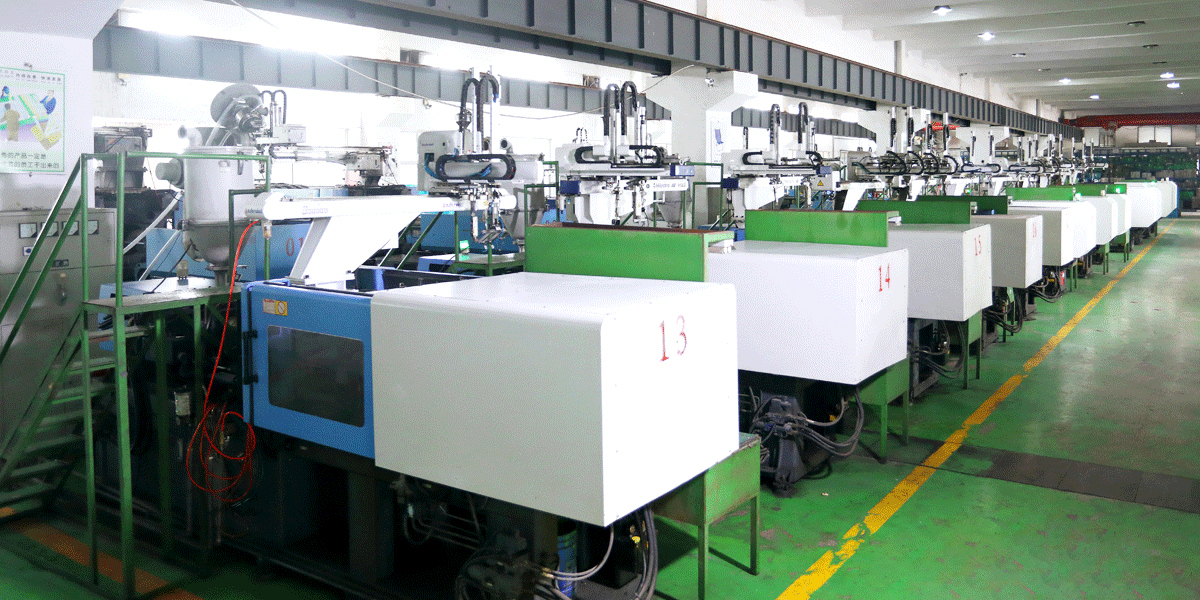
Why Automation is Trending in the Injection Molding Industry
The Rise of Automation in Injection Molding
Automation is rapidly transforming the injection molding industry, offering manufacturers significant advantages in efficiency, consistency, and cost savings. As technology advances and market demands evolve, more companies are adopting automated solutions to stay competitive. Here’s why automation is becoming a key trend in the injection molding industry and how it’s reshaping the manufacturing landscape.
1. Increased Production Efficiency
One of the primary drivers of automation in injection molding is the need for increased production efficiency. Automated systems can operate 24/7 without fatigue, significantly reducing cycle times and increasing output. Robots and automated machinery can handle tasks such as part removal, sorting, and packaging faster and more consistently than human operators, leading to higher productivity and shorter lead times.
2. Improved Consistency and Quality
Automation ensures consistent production quality by minimizing human error. Automated systems can precisely control variables such as temperature, pressure, and injection speed, resulting in uniform parts with tight tolerances. This level of consistency is critical for industries like automotive, medical, and aerospace, where precision and reliability are paramount.
3. Cost Savings
While the initial investment in automation can be high, the long-term cost savings are substantial. Automated systems reduce labor costs, minimize material waste, and lower the risk of defects and rework. Additionally, automation can extend the lifespan of molds and machinery by reducing wear and tear caused by manual handling. Over time, these savings can offset the upfront costs and improve profitability.
4. Enhanced Safety
Injection molding can involve hazardous tasks, such as handling hot materials or operating heavy machinery. Automation reduces the need for human intervention in dangerous processes, enhancing workplace safety. Robots can perform repetitive or high-risk tasks, reducing the likelihood of accidents and injuries. This not only protects workers but also lowers liability and insurance costs for manufacturers.
5. Flexibility and Scalability
Modern automated systems are highly flexible and can be easily reprogrammed to handle different parts or production requirements. This adaptability allows manufacturers to quickly switch between products or scale production up or down based on demand. Automation also supports the trend toward mass customization, enabling the production of small batches of customized parts without significant downtime or retooling.
6. Integration with Industry 4.0
Automation is a cornerstone of Industry 4.0, the fourth industrial revolution characterized by smart manufacturing and data-driven processes. Automated injection molding systems can be integrated with IoT (Internet of Things) devices, sensors, and data analytics platforms to monitor and optimize production in real time. This connectivity enables predictive maintenance, reduces downtime, and improves overall operational efficiency.
7. Addressing Labor Shortages
Many regions are experiencing labor shortages, particularly in skilled manufacturing roles. Automation helps bridge this gap by reducing reliance on manual labor and enabling fewer workers to manage more complex and high-volume production processes. This is especially beneficial in high-cost labor markets, where automation can help maintain competitiveness.
Applications of Automation in Injection Molding
Automation is being applied across various stages of the injection molding process, including:
- Material Handling: Automated systems can load raw materials into the hopper, reducing manual labor and contamination risks.
- Part Removal: Robots can quickly and precisely remove parts from the mold, minimizing cycle times and damage.
- Post-Processing: Automated systems can perform tasks such as trimming, deburring, and assembly.
- Quality Inspection: Vision systems and sensors can inspect parts for defects, ensuring consistent quality.
- Packaging and Sorting: Automated conveyors and sorting systems can prepare finished parts for shipment.
Conclusion
Automation is revolutionizing the injection molding industry by enhancing efficiency, quality, safety, and flexibility. As manufacturers face increasing pressure to reduce costs, improve productivity, and adapt to changing market demands, automation offers a powerful solution. By embracing automated technologies, companies can stay competitive, meet customer expectations, and drive innovation in the injection molding industry.
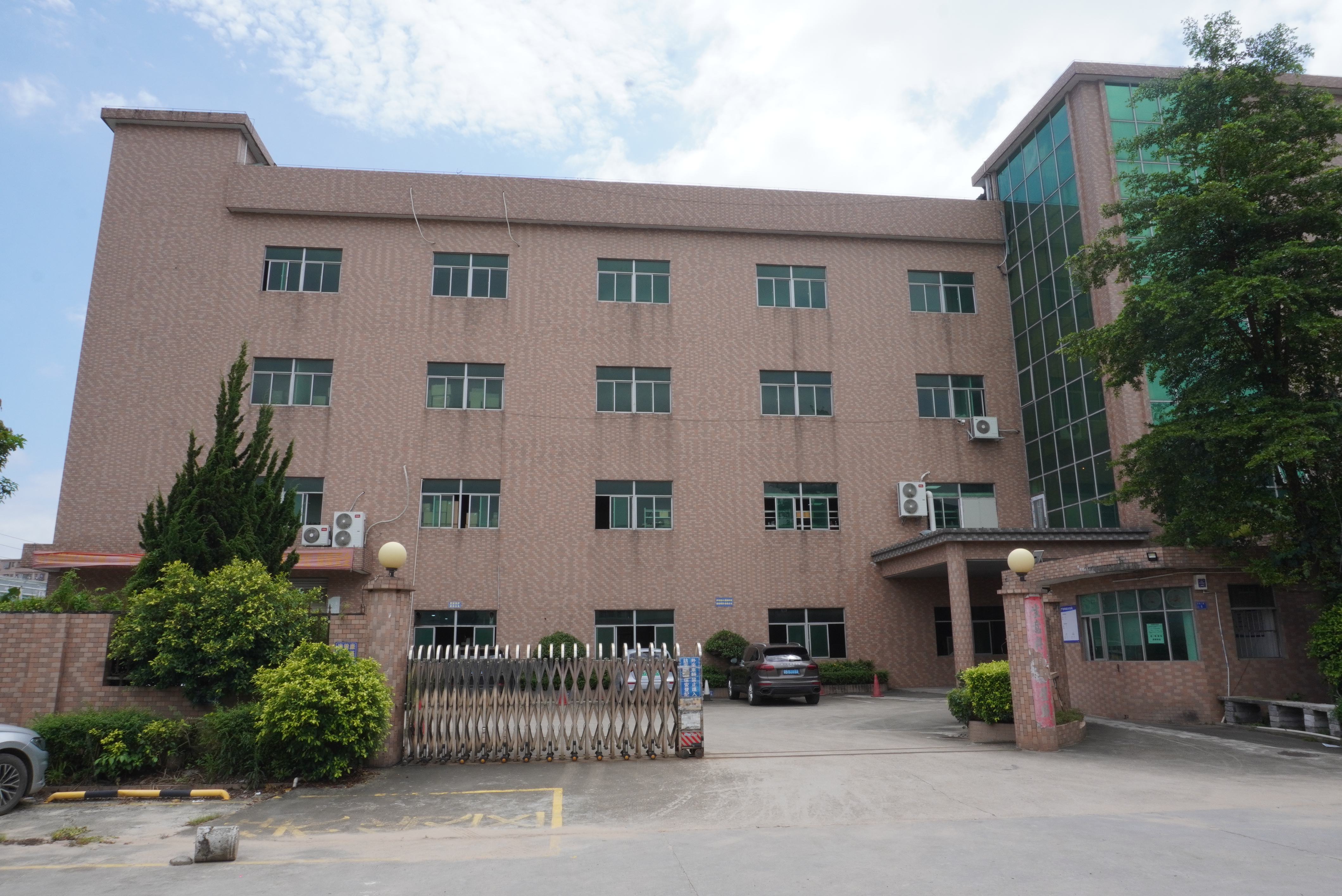
Dongguan Sanlixin Plastic Technology Co.,Ltd
Shenzhen Sanlixin Technology Co., Ltd. and Dongguan Sanlixin Plastic Technology Co., Ltd. is a manufacturer integrating precision plastic mold design, mold opening, single (double) color injection molding, IML injection molding processing, producing various single (double) color, IML process high-end appearance decorative structural parts, two-color buttons, USB dust plugs, panels and other plastic products, providing customers with fast, excellent, Midea all-round service, the company has 15 years of experience in precision plastic mold design, processing and production, with a variety of advanced machine injection molding equipment with excellent quality and fast service to win the trust and strong support of our customers.
What is Ultrasonic Welding?
Top Design Considerations for Injection Molding