The Essential Guide to Plastic Injection Insert Molding: Why It’s a Game-Changer in Manufacturing
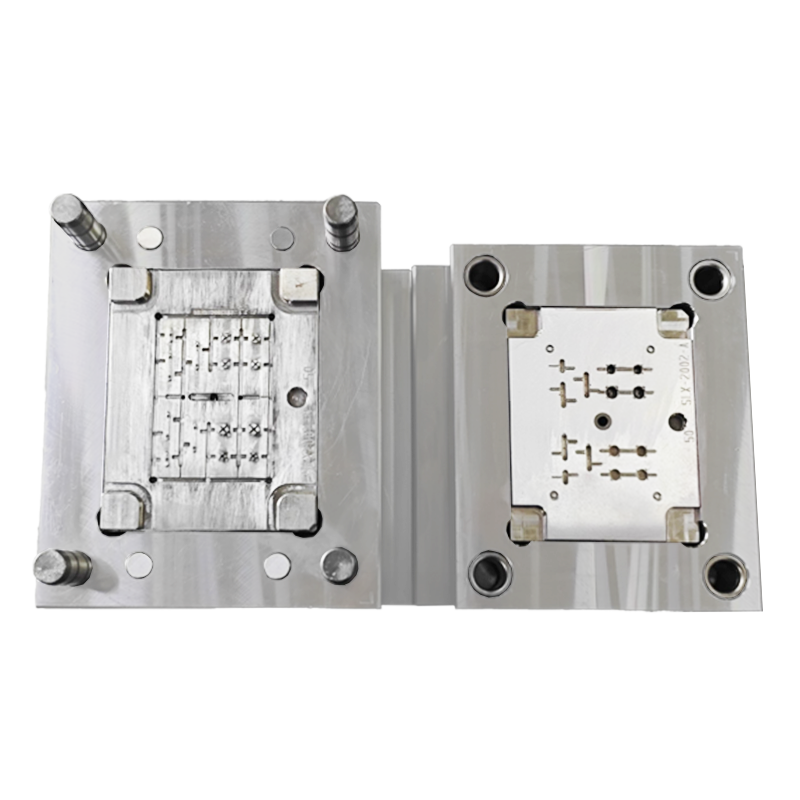
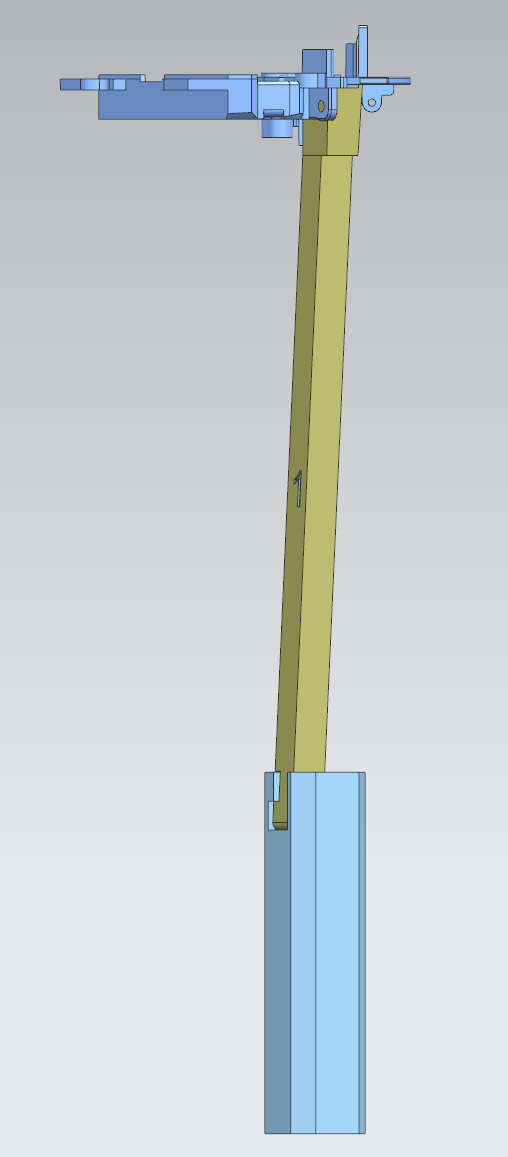
Plastic injection insert molding integrates pre-placed inserts (like metal parts) into the molding process, producing composite components with enhanced structural integrity for industries like automotive and electronics.

- What Is Plastic Injection Insert Molding?
- The Critical Role of Plastic Injection Insert Molding in Modern Manufacturing
- Key Advantages of Plastic Injection Insert Molding
- Plastic Injection Insert Molding vs. Other Material/Process Options
- Top Applications of Plastic Injection Insert Molding
- How to Choose the Right Partner for Plastic Injection Insert Molding
- Future Trends in Plastic Injection Insert Molding
H2: What Is Plastic Injection Insert Molding?
H2: The Critical Role of Plastic Injection Insert Molding in Modern Manufacturing
- Simplifying Complex Assemblies: Many products (e.g., automotive sensors, medical devices) require both plastic’s flexibility and metal’s strength. This process merges these materials in one step, reducing the risk of assembly errors.
- Meeting Strict Performance Standards: Industries like aerospace and medical devices need parts that withstand vibration, temperature changes, and chemical exposure. The tight bond between inserts and plastic in this process ensures long-term reliability.
- Reducing Time-to-Market: By cutting out secondary assembly, manufacturers shorten production cycles—critical for competing in markets where speed dictates success.
H2: Key Advantages of Plastic Injection Insert Molding
- Superior Bond Strength: The insert is embedded while plastic is molten, creating a molecular-level bond that’s far stronger than post-assembled parts. This prevents inserts from loosening over time, even under stress.
- Cost Efficiency: Eliminating secondary assembly reduces labor costs, equipment needs, and material waste (e.g., no glue or fasteners). For high-volume production, these savings add up dramatically.
- Precision & Consistency: Computer-controlled injection molding machines ensure inserts are placed in the exact same position every time—critical for parts like electronic connectors, where misalignment can cause failure.
- Design Flexibility: It works with a wide range of plastics (e.g., ABS, polypropylene, nylon) and inserts (e.g., brass, stainless steel, ceramic). This allows engineers to design lighter, more compact parts without sacrificing strength.
H2: Plastic Injection Insert Molding vs. Other Material/Process Options
H3: vs. Traditional Plastic Injection Molding
| Factor | Plastic Injection Insert Molding | Traditional Plastic Injection Molding |
|---|---|---|
| Assembly Steps | 1 step (molding + insert integration) | 2+ steps (molding + post-assembly) |
| Bond Strength | High (mechanical interlock) | Low (reliant on glue/fasteners) |
| Cost (High Volume) | Lower (no secondary labor) | Higher (extra assembly costs) |
H3: vs. Metal Die Casting
| Factor | Plastic Injection Insert Molding | Metal Die Casting |
|---|---|---|
| Weight | Lightweight (plastic + small inserts) | Heavy (full metal) |
| Material Cost | Lower (plastics are cheaper than metal) | Higher (metal alloys cost more) |
| Design Flexibility | High (easy to mold complex shapes) | Low (limited to simple metal forms) |
H3: vs. 3D Printing for Insert Integration
| Factor | Plastic Injection Insert Molding | 3D Printing (Insert Integration) |
|---|---|---|
| Production Speed | Fast (suitable for high volume) | Slow (best for prototypes/small batches) |
| Material Range | Wide (all thermoplastics + metal inserts) | Narrow (limited to 3D-printable plastics) |
| Part Strength | High (molten plastic bond) | Lower (layered structure prone to cracking) |
H2: Top Applications of Plastic Injection Insert Molding
- Automotive: Sensor housings with metal pins, dashboard components with threaded inserts, and battery connectors.
- Electronics: Phone cases with metal hinges, laptop keyboard frames with screw inserts, and power adapter casings.
- Medical Devices: Syringe plungers with metal rods, diagnostic tool housings with conductive inserts, and implantable components (using biocompatible plastics).
- Consumer Goods: Power tool handles with metal fasteners, kitchen appliance knobs with threaded inserts, and toy parts with reinforced components.
H2: How to Choose the Right Partner for Plastic Injection Insert Molding
- Material Expertise: They should understand how different plastics (e.g., heat-resistant vs. flexible) interact with various inserts (e.g., stainless steel vs. aluminum).
- Precision Equipment: Look for partners with computer numerical control (CNC) injection machines and vision systems to ensure insert alignment.
- Quality Control: They should have processes to test bond strength, dimensional accuracy, and long-term durability (e.g., temperature cycling tests).
H2: Future Trends in Plastic Injection Insert Molding
- Eco-Friendly Materials: More manufacturers are using recycled plastics and bio-based polymers without sacrificing bond strength.
- Smart Inserts: Integration of IoT components (e.g., tiny sensors) directly into parts, enabling “smart” products like connected automotive parts or wearable devices.
- Automation: AI-powered machines that adjust molding parameters in real time to reduce waste and improve consistency.
Conclusion

Dongguan Sanlixin Plastic Technology Co.,Ltd
Shenzhen Sanlixin Technology Co., Ltd. and Dongguan Sanlixin Plastic Technology Co., Ltd. is a manufacturer integrating precision plastic mold design, mold opening, single (double) color injection molding, IML injection molding processing, producing various single (double) color, IML process high-end appearance decorative structural parts, two-color buttons, USB dust plugs, panels and other plastic products, providing customers with fast, excellent, Midea all-round service, the company has 15 years of experience in precision plastic mold design, processing and production, with a variety of advanced machine injection molding equipment with excellent quality and fast service to win the trust and strong support of our customers.
ABS Parts: Why They’re the Go-To for High-Performance Plastic Components
H1: Custom Plastic Molding Cost: A Comprehensive Guide to Its Importance, Advantages, and Material Comparisons