Common Types of Plastic for Injection Molding
Common Types of Plastic for Injection Molding
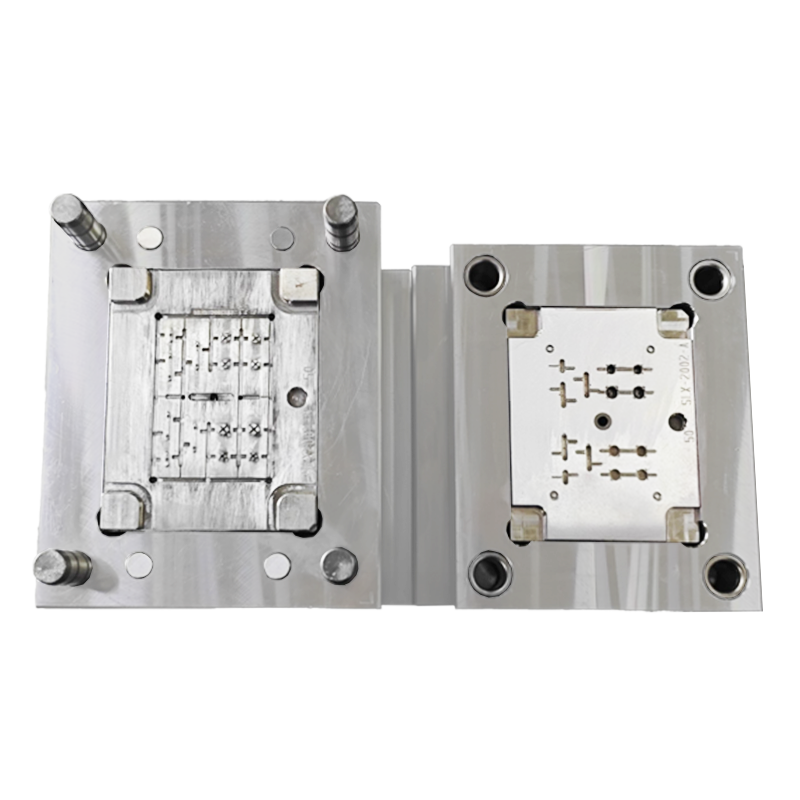
njection molding is a widely used manufacturing process for producing plastic parts. The process involves injecting molten plastic into a mold, where it cools and solidifies into the desired shape.
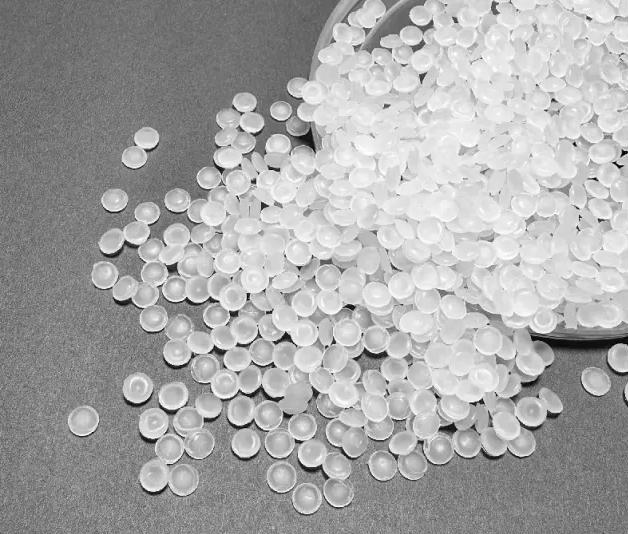
Polypropylene (PP)
-
Properties: Lightweight, chemical resistant, flexible, and durable.
-
Applications: Automotive parts, containers, household goods, and medical devices.
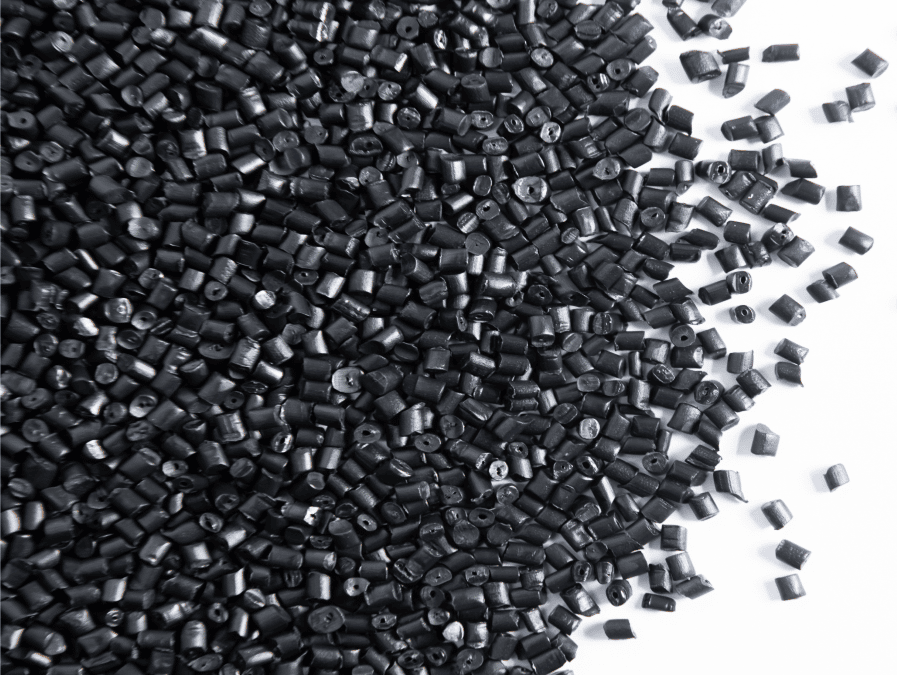
Acrylonitrile Butadiene Styrene (ABS)
-
Properties: Strong, impact-resistant, and good surface finish.
-
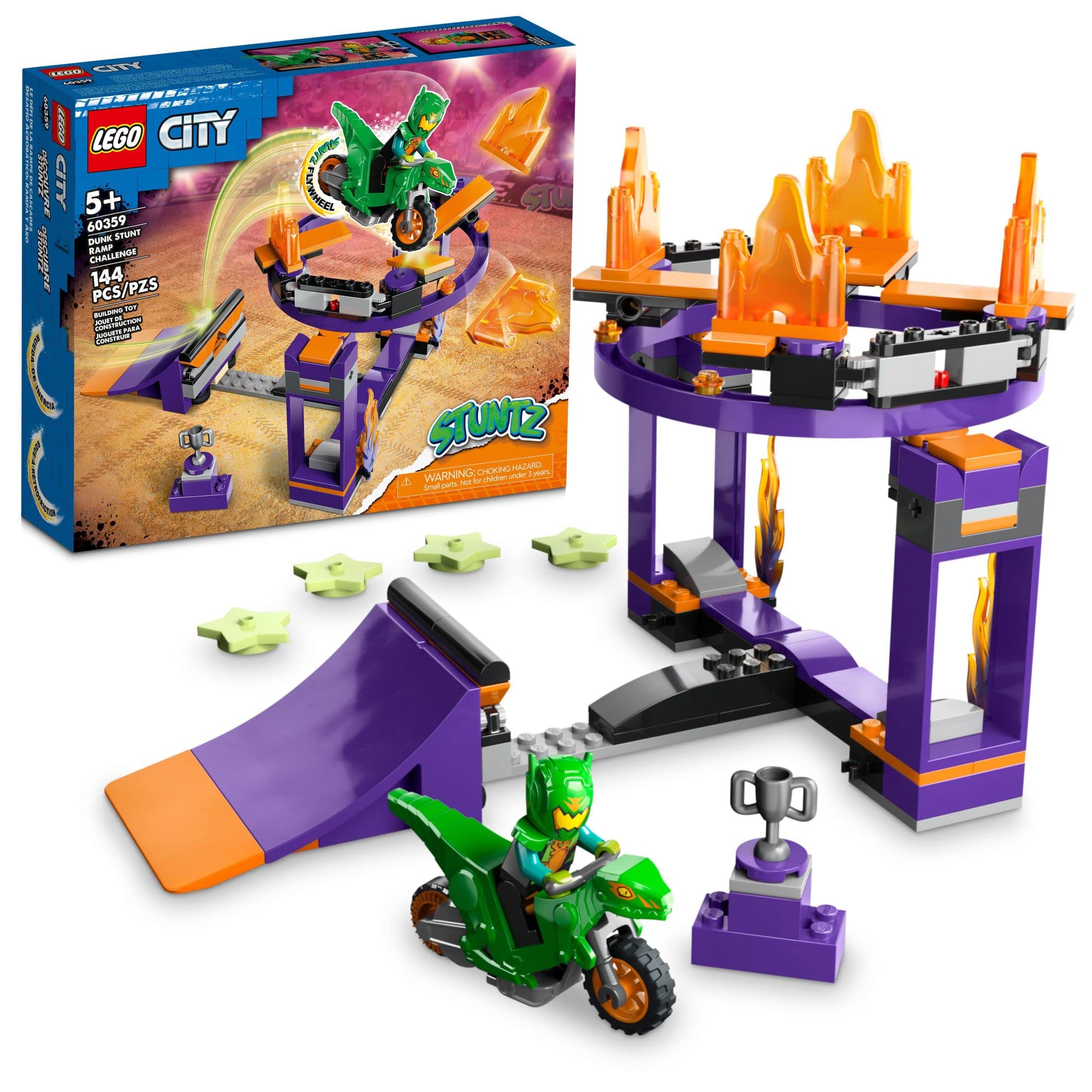
Applications: LEGO bricks, automotive components, and consumer electronics.
Polyethylene (PE)
-
Properties: Tough, chemical resistant, and low friction.
-
Applications: Bottles, bags, and toys.
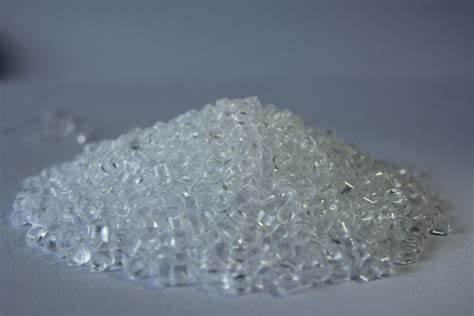
Polystyrene (PS)
-
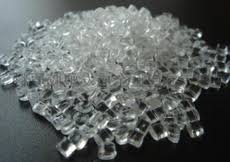
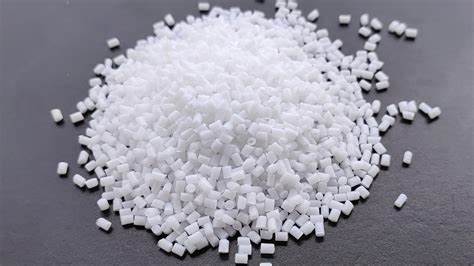
Properties: Rigid, brittle, and transparent.
-
Applications: Disposable cutlery, CD cases, and packaging materials.
Polycarbonate (PC)
- Properties: High impact resistance, transparent, and temperature resistant.
- Applications: Safety glasses, bullet-proof windows, and electronic components.
Polyoxymethylene (POM)
- Properties: High stiffness, low friction, and excellent dimensional stability.
- Applications: Precision parts, gears, and sliding elements.
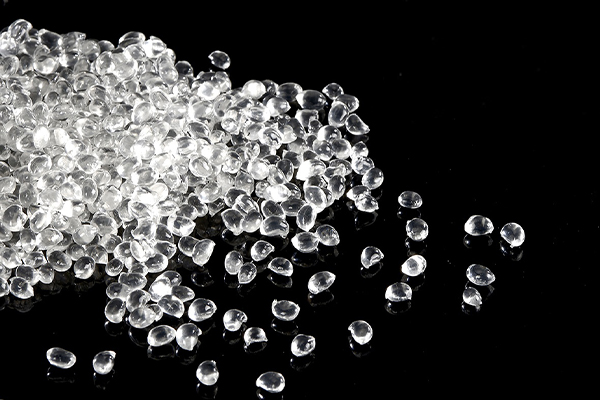
Polyoxymethylene (POM)
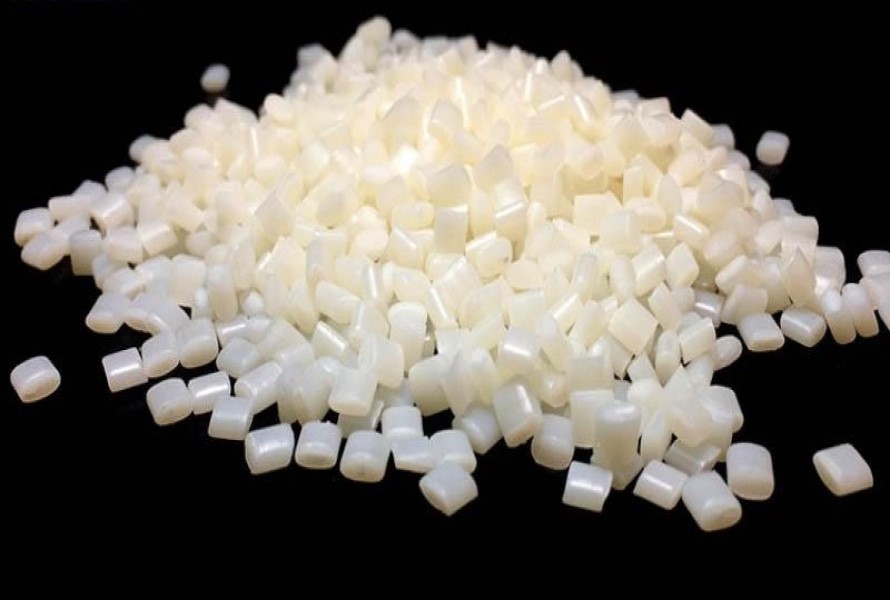
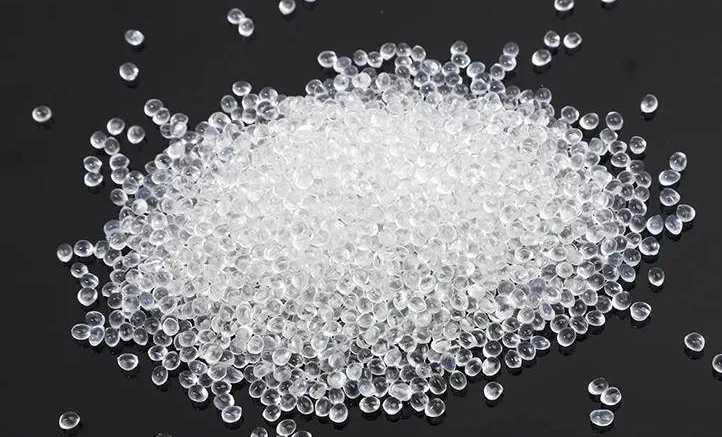
- Properties: High stiffness, low friction, and excellent dimensional stability.
- Applications: Precision parts, gears, and sliding elements.
Thermoplastic Polyurethane (TPU)
-
Properties: Flexible, durable, and resistant to oil and grease.
-
Applications: Footwear, automotive parts, and medical devices.
Thermoplastic Polyurethane (TPU)
-
Properties: Has excellent resistance to extreme temperatures and chemicals.
-
Applications: Housings or enclosures for electronic and medical equipment.
How to Choose Plastic for Injection Molding
Factors to Consider When Choosing a Plastic
-
Mechanical Properties: Strength, flexibility, and impact resistance.
-
Thermal Properties: Melting point and heat resistance.
-
Chemical Resistance: Resistance to chemicals and solvents.
-
Aesthetic Qualities: Color, transparency, and surface finish.
-
Cost: Material cost and processing cost.
-
Regulatory Compliance: Food-grade, medical-grade, or other industry-specific standards.
Injection Molding Process Overview
-
Clamping: The mold is closed and clamped shut.
-
Injection: Molten plastic is injected into the mold cavity.
-
Cooling: The plastic cools and solidifies within the mold.
-
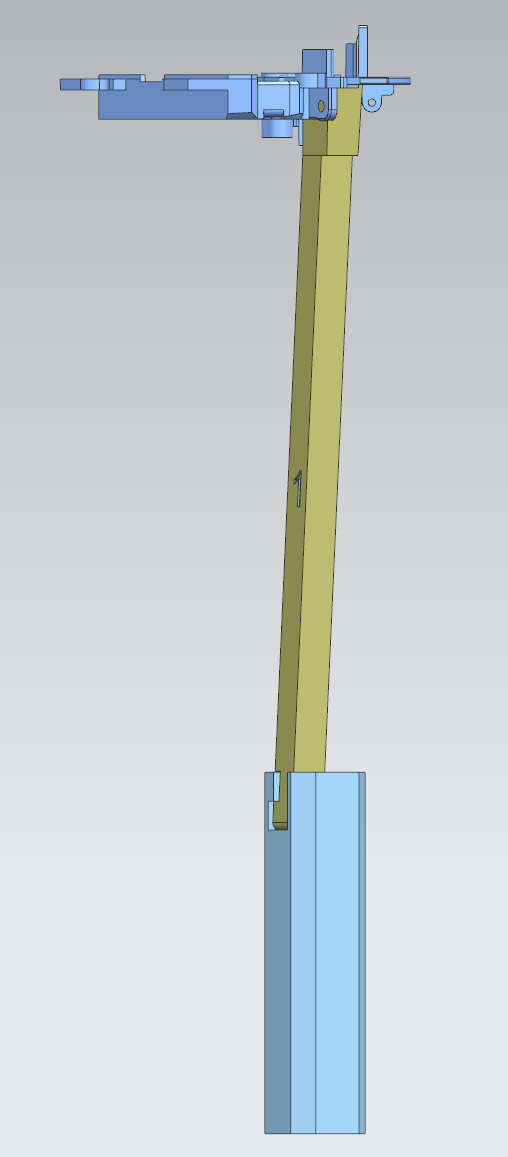
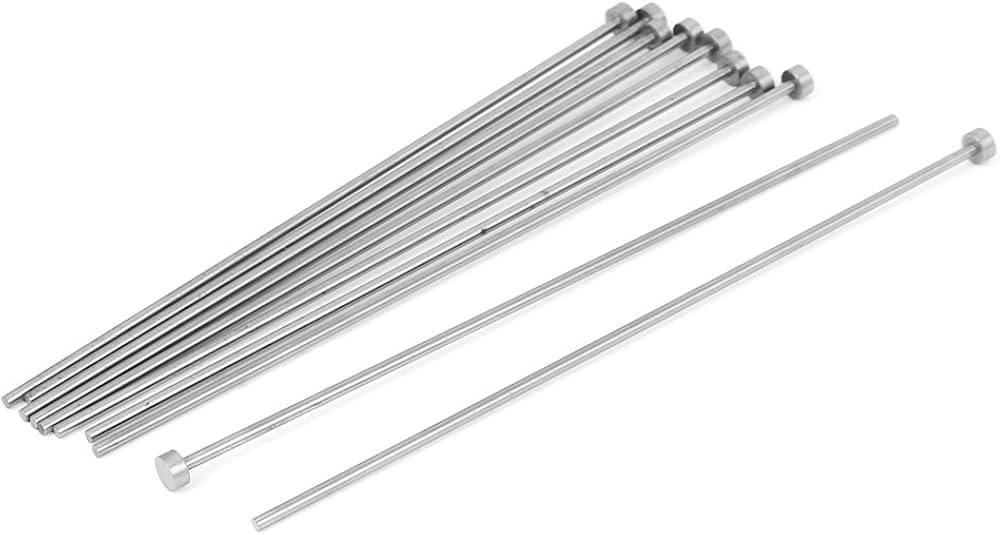
Ejection: The mold opens, and the part is ejected.
Advantages of Injection Molding
-
High Efficiency: Suitable for high-volume production.
-
Consistency: Produces uniform parts with tight tolerances.
-
Versatility: Can produce complex shapes and intricate details.
-
Material Variety: Wide range of plastics can be used.
Disadvantages of Injection Molding
-
High Initial Cost: Expensive tooling and setup.
-
Design Constraints: Limited by mold design and material properties.
-
Lead Time: Longer lead times for mold creation and setup.

Dongguan Sanlixin Plastic Technology Co.,Ltd
Shenzhen Sanlixin Technology Co., Ltd. and Dongguan Sanlixin Plastic Technology Co., Ltd. is a manufacturer integrating precision plastic mold design, mold opening, single (double) color injection molding, IML injection molding processing, producing various single (double) color, IML process high-end appearance decorative structural parts, two-color buttons, USB dust plugs, panels and other plastic products, providing customers with fast, excellent, Midea all-round service, the company has 15 years of experience in precision plastic mold design, processing and production, with a variety of advanced machine injection molding equipment with excellent quality and fast service to win the trust and strong support of our customers.
Understand the principles of custom mold making
The Advantages and Disadvantages of Injection Molding