How Traditional Injection Molding Processes Create Uncontrolled Risk
How Traditional Injection Molding Processes Create Uncontrolled Risk
Introduction to Traditional Injection Molding
Traditional injection molding has long been a cornerstone of manufacturing, enabling the mass production of plastic parts with consistent quality. However, as industries demand more complex and precise components, the limitations of traditional injection molding processes have become increasingly apparent. These limitations often introduce uncontrolled risks that can impact product quality, production efficiency, and overall costs.

Key Risks in Traditional Injection Molding
Several inherent risks are associated with traditional injection molding processes, which can lead to defects, inefficiencies, and increased costs. Below are some of the most significant risks:
Material Inconsistencies
Traditional injection molding relies heavily on the uniformity of raw materials. Variations in material properties, such as viscosity or thermal stability, can lead to defects like warping, sink marks, or incomplete fills. These inconsistencies are often difficult to predict and control, resulting in higher scrap rates and rework costs.
Mold Wear and Tear
Over time, molds used in traditional injection molding can degrade due to repeated use. Wear and tear on the mold surfaces can lead to imperfections in the final product, such as flash or dimensional inaccuracies. Regular maintenance and mold replacement are necessary but can be costly and time-consuming.
Process Variability
Traditional injection molding processes are subject to variability in parameters such as temperature, pressure, and cooling rates. Even minor deviations can significantly impact the quality of the final product. Manual adjustments and operator expertise are often required to mitigate these issues, but this introduces human error as another potential risk factor.
Quality Control Challenges
Ensuring consistent quality in traditional injection molding can be challenging. Manual inspections and sampling methods may not detect all defects, leading to the risk of defective parts reaching the market. This can result in costly recalls, reputational damage, and potential safety hazards.
Impact of Uncontrolled Risks
The uncontrolled risks associated with traditional injection molding can have far-reaching consequences for manufacturers. These impacts include:
Increased Production Costs
Defects and inefficiencies lead to higher scrap rates, rework costs, and increased material usage. Additionally, the need for frequent mold maintenance and replacement adds to the overall production expenses.
Reduced Production Efficiency
Process variability and manual interventions can slow down production lines, reducing overall efficiency. Downtime for mold maintenance and quality control further exacerbates this issue, leading to longer lead times and reduced output.
Compromised Product Quality
Inconsistent product quality can harm a manufacturer's reputation and lead to customer dissatisfaction. In industries where precision and reliability are critical, such as automotive or medical devices, compromised quality can have severe consequences.
Mitigating Risks with Advanced Technologies
To address the uncontrolled risks associated with traditional injection molding, manufacturers are increasingly turning to advanced technologies and methodologies. These include:
Automated Process Control
Advanced injection molding machines equipped with automated process control systems can monitor and adjust parameters in real-time, ensuring consistent quality and reducing the risk of defects.
Predictive Maintenance
Utilizing sensors and data analytics, predictive maintenance systems can anticipate mold wear and schedule maintenance before issues arise, minimizing downtime and extending mold life.
Enhanced Quality Assurance
Incorporating automated inspection systems and machine learning algorithms can improve defect detection rates, ensuring that only high-quality parts reach the market.
Conclusion
While traditional injection molding has served as a reliable manufacturing method for decades, its inherent risks can no longer be overlooked in today's demanding industrial landscape. By adopting advanced technologies and process improvements, manufacturers can mitigate these risks, enhance product quality, and maintain a competitive edge in the market.
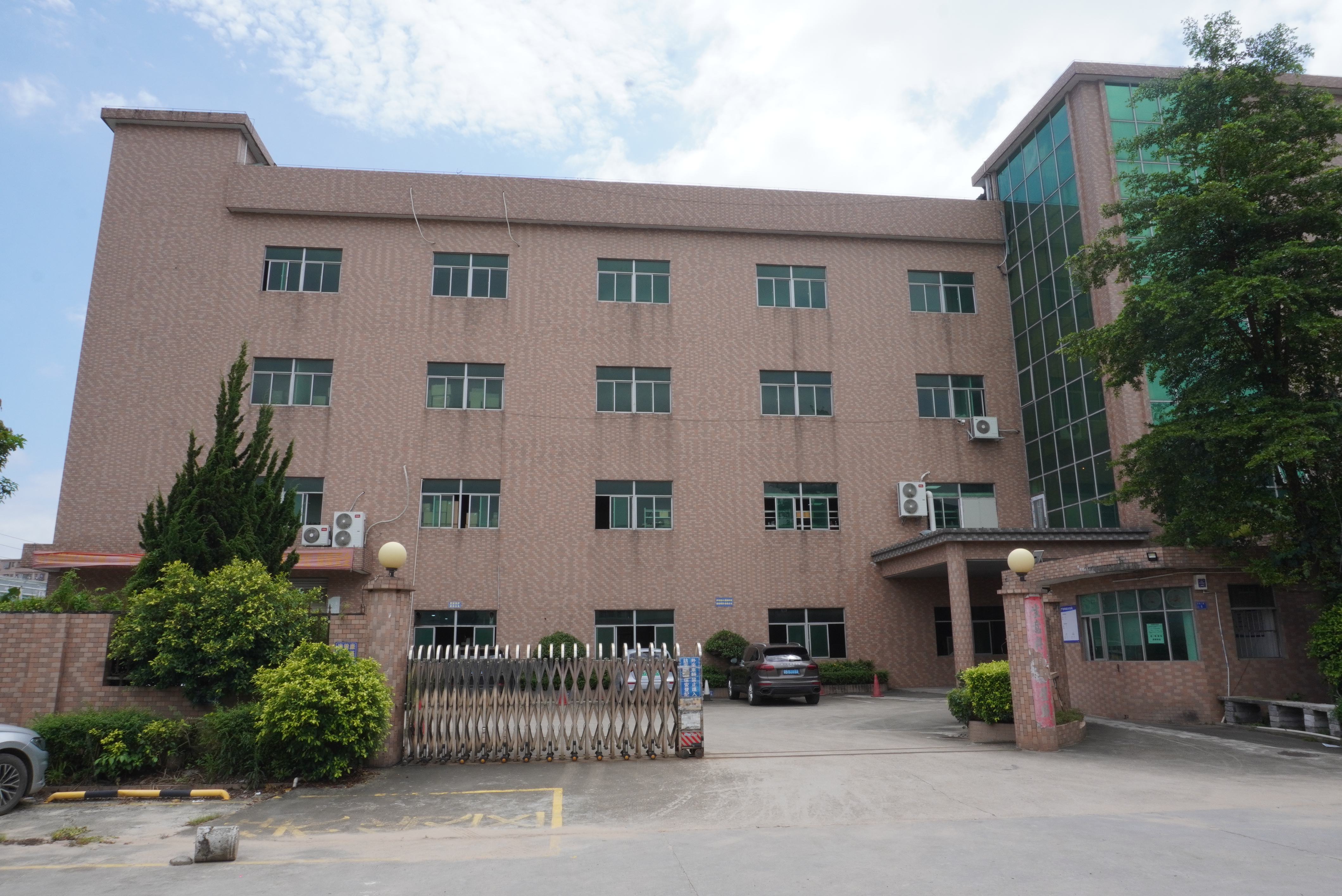
Dongguan Sanlixin Plastic Technology Co.,Ltd
Shenzhen Sanlixin Technology Co., Ltd. and Dongguan Sanlixin Plastic Technology Co., Ltd. is a manufacturer integrating precision plastic mold design, mold opening, single (double) color injection molding, IML injection molding processing, producing various single (double) color, IML process high-end appearance decorative structural parts, two-color buttons, USB dust plugs, panels and other plastic products, providing customers with fast, excellent, Midea all-round service, the company has 15 years of experience in precision plastic mold design, processing and production, with a variety of advanced machine injection molding equipment with excellent quality and fast service to win the trust and strong support of our customers.
Collapsible Core Design in Injection Molding
Injection molding revolutionizes the production of geometric parts