What Are Plastic Parts? Exploring the Advantages and Disadvantages
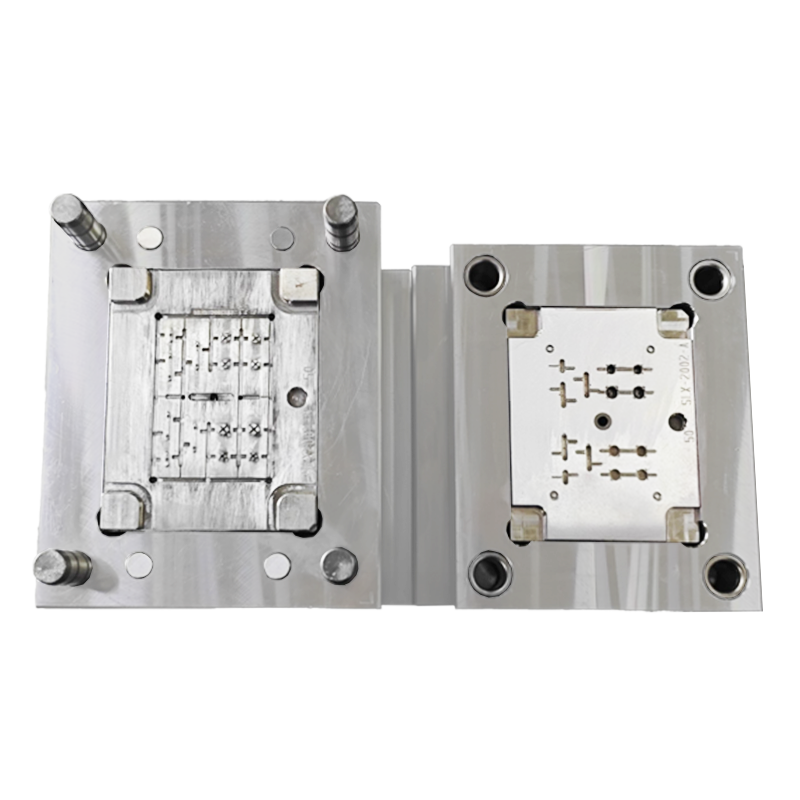
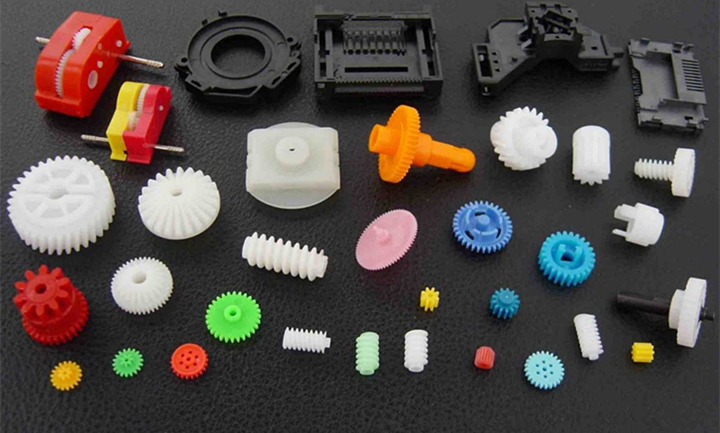
Plastic parts are ubiquitous in modern life, found in everything from household items to advanced technological devices. These components are manufactured through various processes, such as injection molding, extrusion, and blow molding, to create a wide range of products. This article delves into what plastic parts are, their advantages, and their disadvantages, providing a comprehensive overview of their role in today's world.
What Are Plastic Parts?
Definition
Plastic parts are components made from synthetic or semi-synthetic materials known as polymers. These materials can be molded into various shapes and sizes, making them highly versatile for numerous applications.
Common Types of Plastics
There are several types of plastics used in manufacturing, including:
- Thermoplastics: Such as polyethylene (PE), polypropylene (PP), and polyvinyl chloride (PVC), which can be melted and reshaped multiple times.
- Thermosetting Plastics: Such as epoxy and phenolic resins, which harden permanently after being molded.
- Engineering Plastics: Such as polycarbonate (PC) and acrylonitrile butadiene styrene (ABS), known for their superior mechanical properties.
 Advantages of Plastic Parts
Lightweight
Plastic parts are significantly lighter than their metal counterparts, making them ideal for applications where weight reduction is crucial, such as in the automotive and aerospace industries.
Cost-Effective
Plastic parts are generally less expensive to produce than metal parts due to lower material costs and more efficient manufacturing processes like injection molding.
Versatility
Plastics can be easily molded into complex shapes and sizes, allowing for a high degree of design flexibility. This versatility makes them suitable for a wide range of applications, from simple household items to intricate medical devices.
Corrosion Resistance
Unlike metals, plastics are resistant to corrosion, making them ideal for use in environments exposed to moisture, chemicals, and other corrosive elements.
Electrical Insulation
Plastic parts are excellent electrical insulators, making them essential in the electronics industry for components such as connectors, housings, and circuit boards.
Disadvantages of Plastic Parts
Environmental Impact
One of the most significant drawbacks of plastic parts is their environmental impact. Plastics are not biodegradable and can persist in the environment for hundreds of years, contributing to pollution and harming wildlife.
Lower Strength and Durability
While some engineering plastics offer high strength, most plastic parts are not as strong or durable as metal parts. They are more prone to wear and tear, especially under high stress or temperature conditions.
Thermal Limitations
Plastics generally have lower thermal stability compared to metals. They can deform or melt at high temperatures, limiting their use in high-heat applications.
Recycling Challenges
Although some plastics are recyclable, the recycling process can be complex and costly. Contamination and the presence of different types of plastics can complicate recycling efforts, leading to lower recycling rates.
Applications of Plastic Parts
Consumer Goods
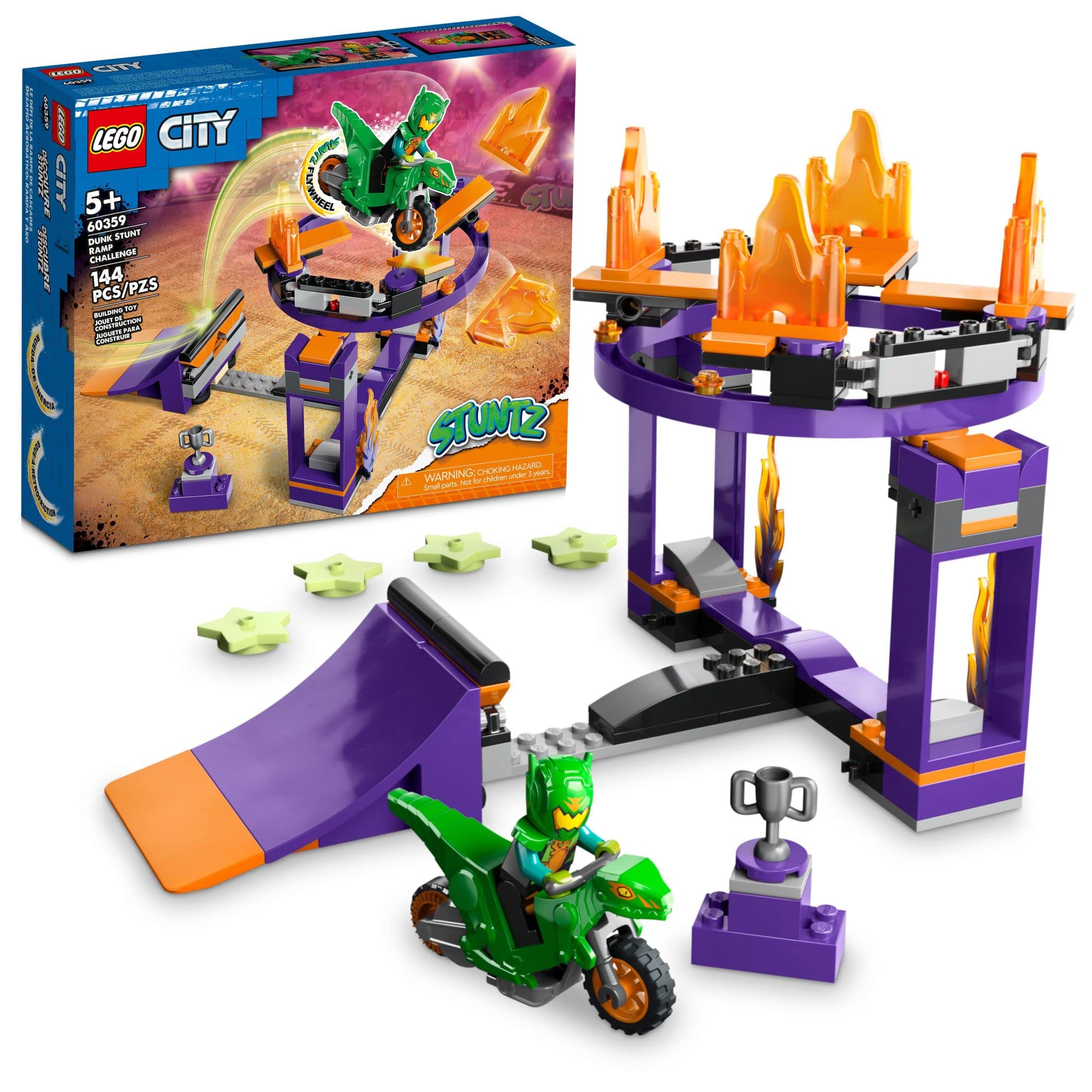
Plastic parts are widely used in consumer goods such as toys, kitchen utensils, and packaging materials due to their lightweight and cost-effectiveness.
Automotive Industry
In the automotive industry, plastic parts are used for interior and exterior components, including dashboards, bumpers, and fuel tanks, to reduce vehicle weight and improve fuel efficiency.
Medical Devices
Plastic parts are essential in the medical field for devices such as syringes, IV bags, and surgical instruments, where sterility and disposability are crucial.
Electronics
The electronics industry relies heavily on plastic parts for components like connectors, housings, and circuit boards, benefiting from their electrical insulation properties and design flexibility.
Conclusion
Plastic parts play a vital role in modern manufacturing, offering numerous advantages such as lightweight, cost-effectiveness, versatility, and corrosion resistance. However, they also come with significant disadvantages, including environmental impact, lower strength, thermal limitations, and recycling challenges. Understanding these pros and cons is essential for making informed decisions about the use of plastic parts in various applications. As technology advances, ongoing research and development aim to address these challenges, paving the way for more sustainable and high-performance plastic materials.
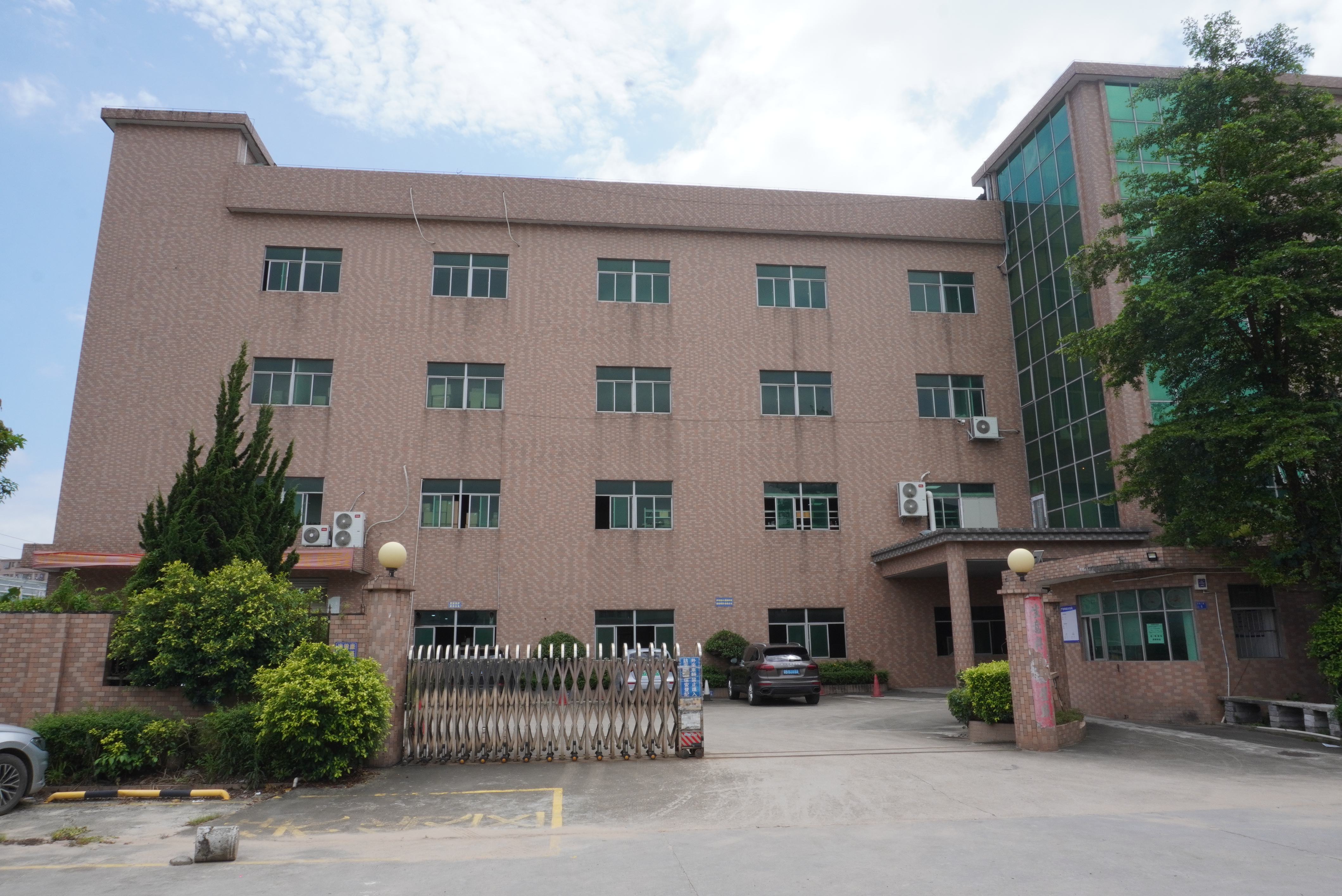
Dongguan Sanlixin Plastic Technology Co.,Ltd
Shenzhen Sanlixin Technology Co., Ltd. and Dongguan Sanlixin Plastic Technology Co., Ltd. is a manufacturer integrating precision plastic mold design, mold opening, single (double) color injection molding, IML injection molding processing, producing various single (double) color, IML process high-end appearance decorative structural parts, two-color buttons, USB dust plugs, panels and other plastic products, providing customers with fast, excellent, Midea all-round service, the company has 15 years of experience in precision plastic mold design, processing and production, with a variety of advanced machine injection molding equipment with excellent quality and fast service to win the trust and strong support of our customers.
Why Does the Plastic Mold Slip? Causes and Solutions
Electronics Injection Molding: A Precision Process Shaping the Future of Technology