PLA Plastic: Benefits and Limitations of the Popular Bioplasti
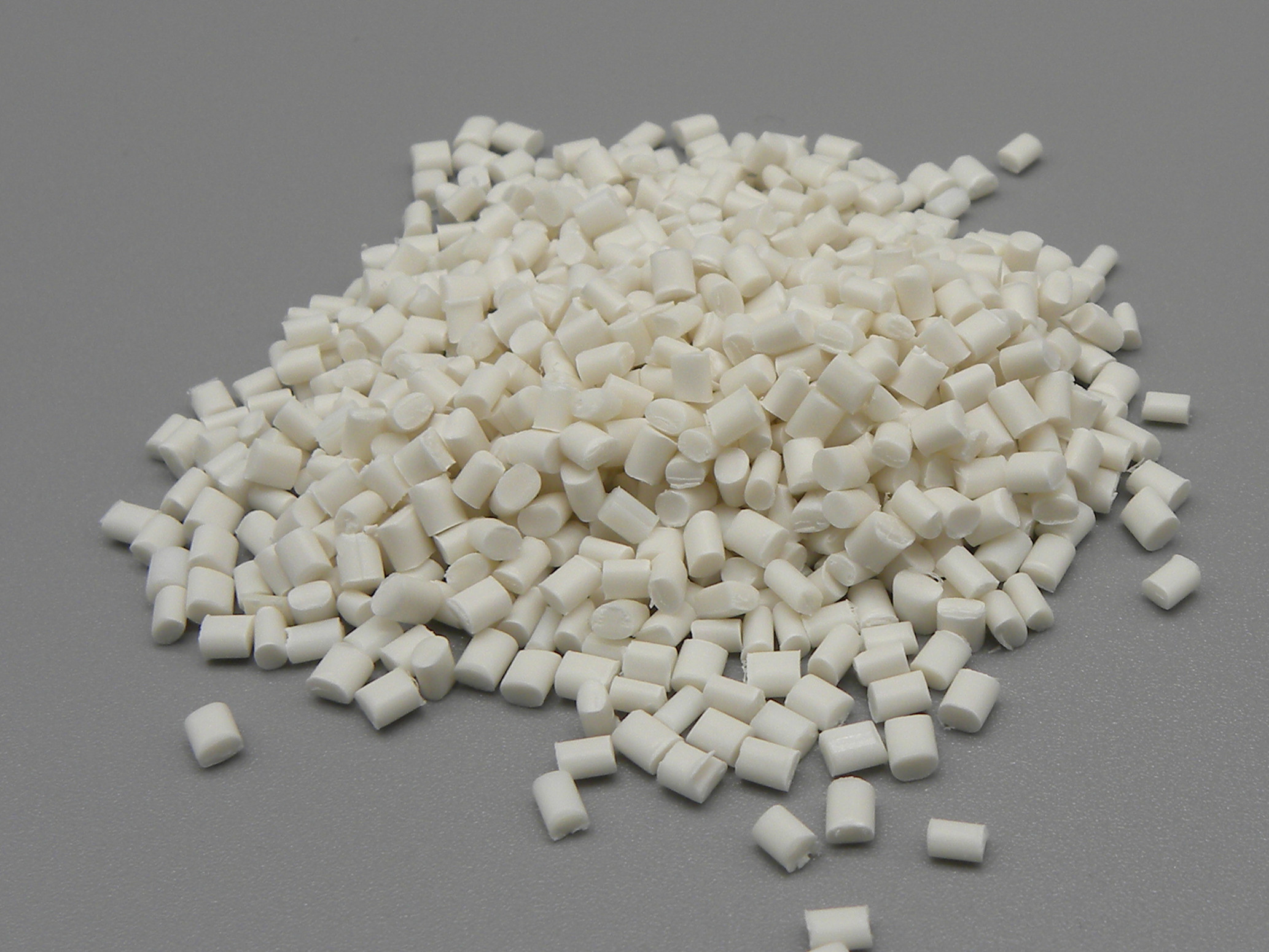
Polylactic Acid (PLA) is a biodegradable thermoplastic derived from renewable resources like corn starch or sugarcane. As one of the most common bioplastics, PLA is widely used in 3D printing, food packaging, disposable tableware, and medical applications due to its eco-friendly profile and ease of processing.
Key Advantages of PLA
1. Environmentally Friendly
Biodegradable under industrial composting conditions and made from renewable plant-based materials, reducing carbon footprint.
2. Ease of Processing
Low melting temperature (150-160°C) makes it energy-efficient to process and ideal for 3D printing.
3. Food Safety
FDA-approved for food contact applications, non-toxic, and odorless when processed properly.
4. Good Mechanical Properties
High strength and stiffness comparable to polystyrene, with excellent surface finish.
5. Printing Performance
Excellent layer adhesion and minimal warping make it the preferred filament for FDM 3D printing.
6. Versatility
Available in various formulations (flexible, reinforced, colored) and can be blended with other materials.
Main Disadvantages of PLA
1. Limited Heat Resistance
Low glass transition temperature (55-60°C) causes deformation in hot environments.
2. Slow Degradation in Nature
Requires industrial composting facilities (50-60°C) to biodegrade within months rather than years.
3. Brittleness
Low impact resistance and tendency to crack under stress compared to conventional plastics.
4. Moisture Sensitivity
Absorbs moisture from air, requiring careful storage and drying before processing.
5. Limited Chemical Resistance
Vulnerable to solvents, acids, and bases which can degrade the material.
PLA vs Common Plastics
| Property | PLA | ABS | PET | PP |
|---|---|---|---|---|
| Tensile Strength | 50-70 MPa | 40-50 MPa | 55-75 MPa | 25-40 MPa |
| Heat Resistance | 55-60°C | 95-105°C | 70-80°C | 100-140°C |
| Biodegradability | Yes | No | No | No |
| Printability | Excellent | Good | Fair | Poor |
Optimal Applications for PLA
Best Uses:
- 3D printing filaments and prototypes
- Disposable food packaging and utensils
- Medical implants and drug delivery systems
- Compostable bags and agricultural films
- Short-life consumer products
- Educational and demonstration models
Special Considerations for Working with PLA
- Requires drying (4-6 hours at 45-50°C) before processing
- Optimal printing temperature typically 190-220°C
- Benefits from heated print beds (50-60°C) but doesn't strictly require them
- Can be recycled but requires separate streams from conventional plastics
- Surface treatments can improve adhesion for painting or coating
Conclusion
PLA offers an attractive combination of environmental benefits and processing ease, making it ideal for applications where sustainability is prioritized over durability. While it has limitations in heat resistance and toughness, ongoing developments in PLA composites and blends continue to expand its potential uses. Proper understanding of its properties allows designers to leverage PLA's advantages while accounting for its limitations.
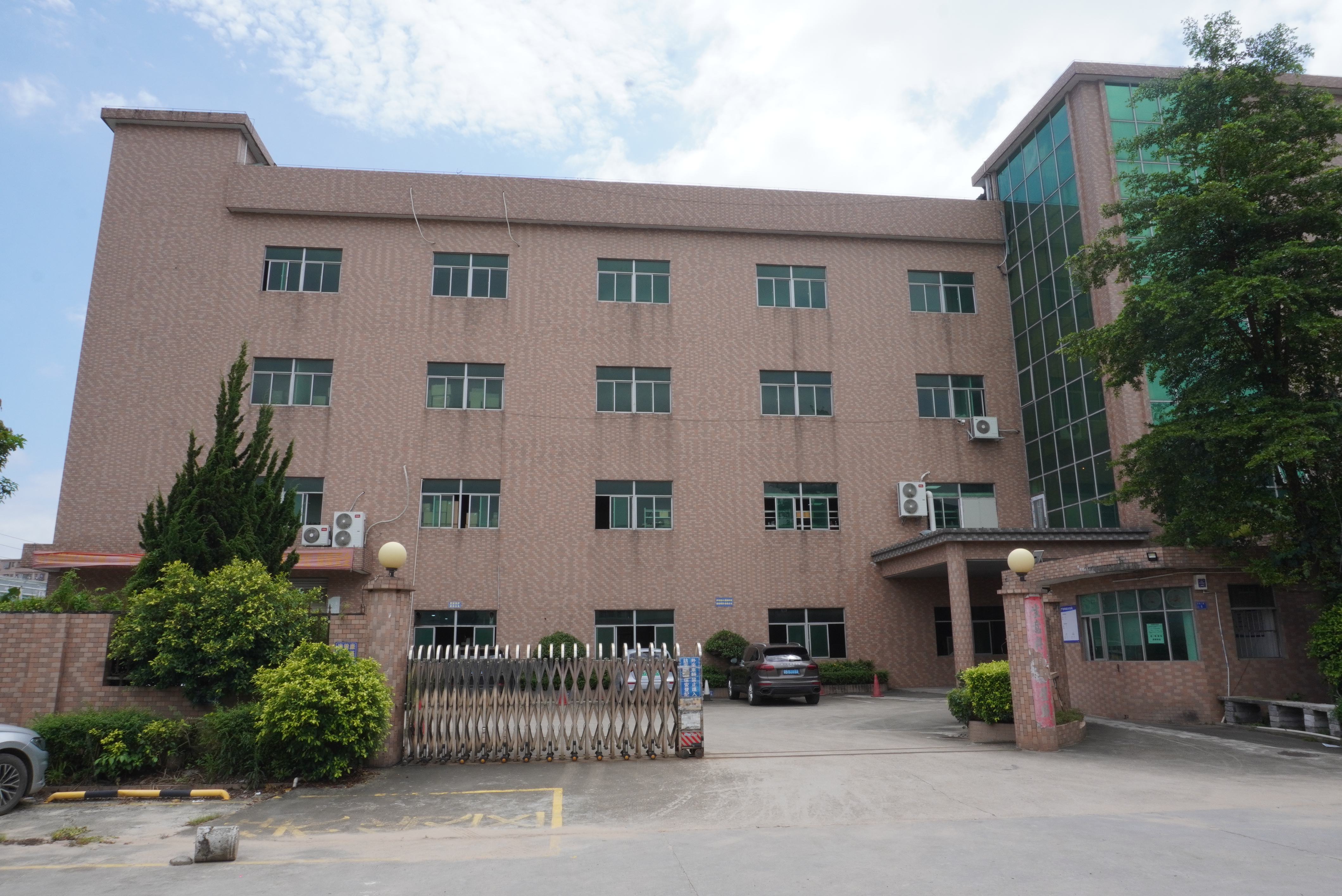
Dongguan Sanlixin Plastic Technology Co.,Ltd
Shenzhen Sanlixin Technology Co., Ltd. and Dongguan Sanlixin Plastic Technology Co., Ltd. is a manufacturer integrating precision plastic mold design, mold opening, single (double) color injection molding, IML injection molding processing, producing various single (double) color, IML process high-end appearance decorative structural parts, two-color buttons, USB dust plugs, panels and other plastic products, providing customers with fast, excellent, Midea all-round service, the company has 15 years of experience in precision plastic mold design, processing and production, with a variety of advanced machine injection molding equipment with excellent quality and fast service to win the trust and strong support of our customers.
Liquid Crystal Polymers (LCP) for Injection Molding: Benefits and Challenges
Acrylic/PMMA Material: Benefits and Limitations