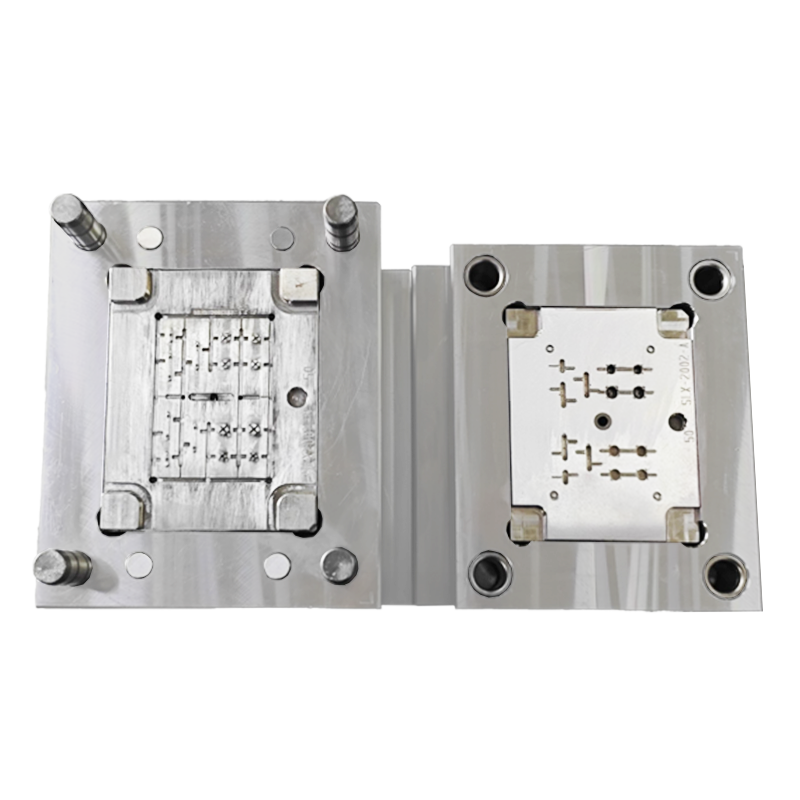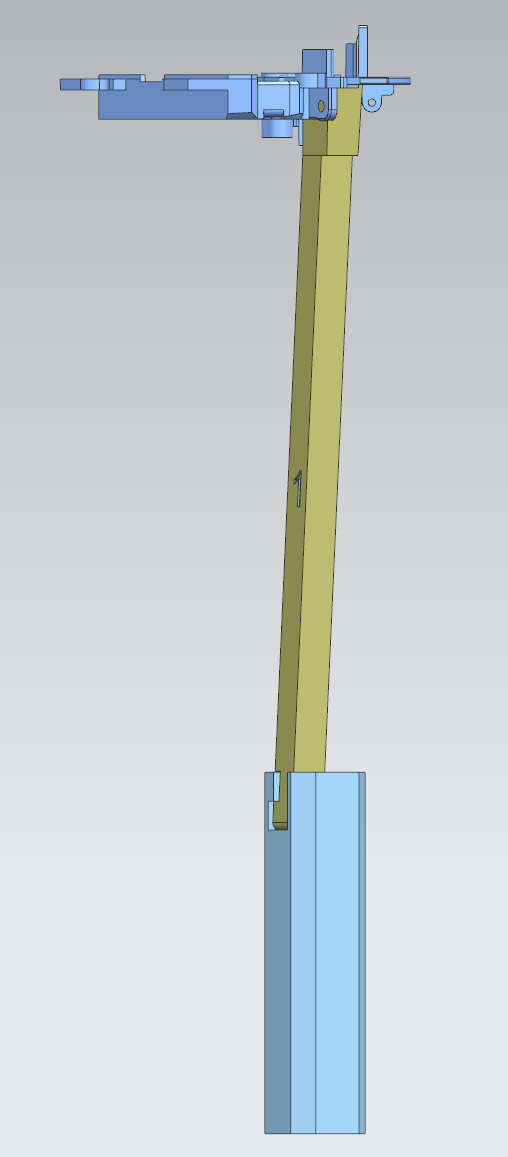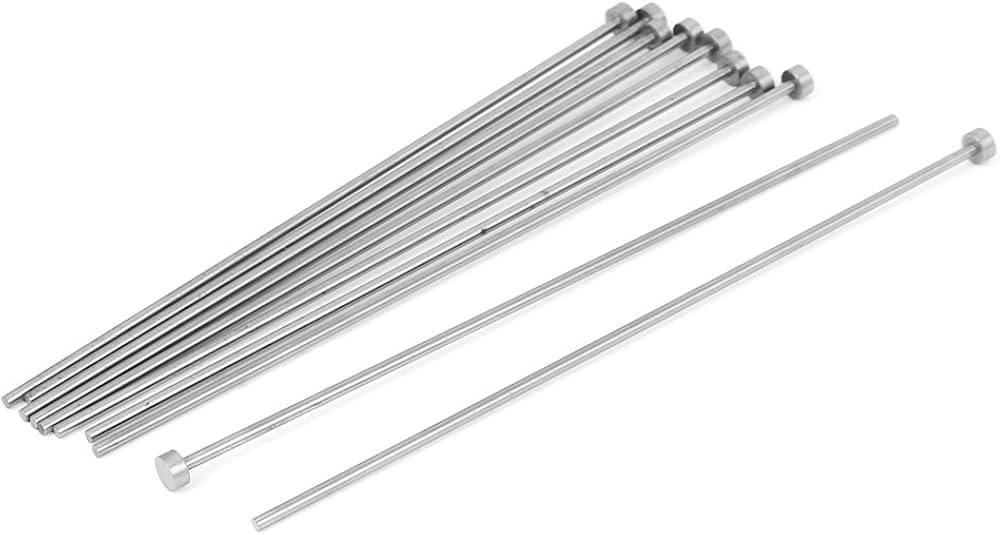
Permanent Molds: The Backbone of High-Quality Metal Casting – Advantages & Comparisons
Permanent molds are reusable metal tools for casting metals like aluminum. They ensure consistent part shapes, high production efficiency, and are widely used in automotive and industrial component manufacturing.
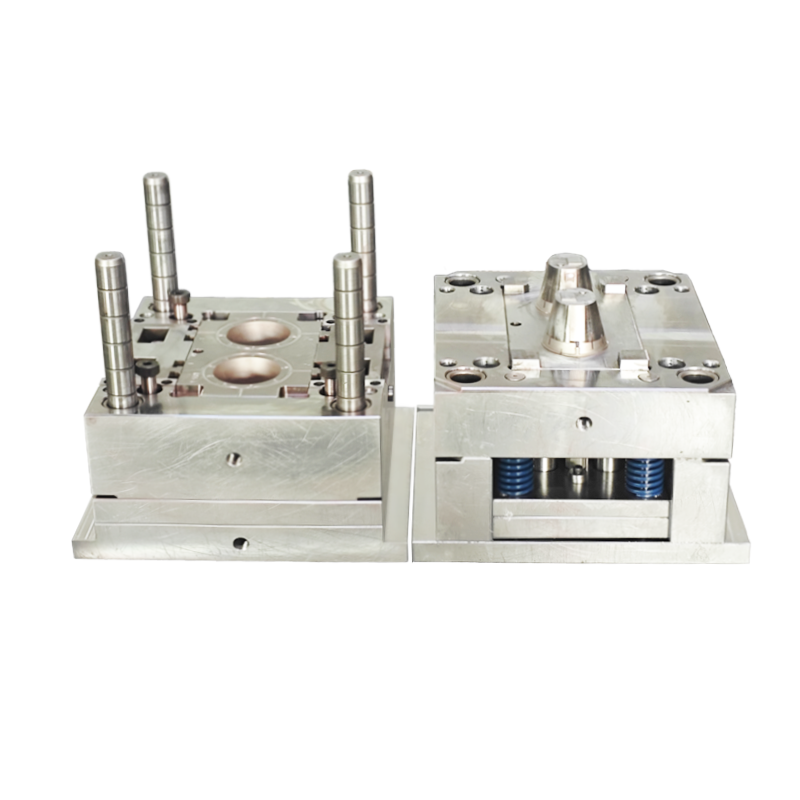
Table of Contents
- What Are Permanent Molds?
- The Industry Importance of Permanent Molds
- Core Advantages of Permanent Molds
- Permanent Molds vs. Other Mold Types: A Detailed Comparison
- Key Applications of Permanent Molds
- Conclusion: Why Permanent Molds Remain Indispensable
What Are Permanent Molds?
The Industry Importance of Permanent Molds
- Consistency for Mass Production: Industries like automotive and aerospace rely on identical components for safety and performance. Permanent molds deliver uniform castings with minimal variation across thousands of units .
- Cost Efficiency at Scale: While initial tooling costs are higher, the molds’ reusability drives down per-unit expenses for medium to high production runs (500+ pieces annually) .
- Quality Benchmarking: They set standards for dimensional accuracy and material integrity, enabling the production of critical parts like engine pistons and medical implants .
Core Advantages of Permanent Molds
H3: Exceptional Reusability & Longevity
H3: Superior Dimensional Accuracy & Surface Finish
H3: Enhanced Mechanical Properties
H3: Environmental Sustainability
Permanent Molds vs. Other Mold Types: A Detailed Comparison
H3: Permanent Molds vs. Sand Molds
H4: Advantages of Permanent Molds Over Sand Molds
- Tighter dimensional tolerances and more consistent part geometry .
- Smoother surface finish (200–420 RMS vs. 300–900 RMS for sand molds) .
- Higher mechanical strength due to refined grain structure .
- Lower long-term costs for medium to high production volumes .
- Less waste and environmental impact .
H4: Disadvantages of Permanent Molds vs. Sand Molds
- Higher initial tooling costs, making them less cost-effective for low-volume runs (<500 pieces) .
- Limited to smaller to medium-sized parts (typically 1–110 pounds) .
- Less flexibility for highly complex part geometries .
H3: Permanent Molds vs. Expendable Molds
H4: Advantages of Permanent Molds Over Expendable Molds
- Significantly faster production cycles (no need for mold reconstruction between casts) .
- Lower per-unit costs for scaled production .
- More consistent part quality across runs .
- Greater durability and resistance to high temperatures .
H4: Disadvantages of Permanent Molds vs. Expendable Molds
- Higher upfront investment in tooling .
- Less suitable for prototypes or custom, low-volume parts .
- Requires specialized equipment for mold clamping and operation .
Key Applications of Permanent Molds
- Automotive: Engine pistons, transmission housings, suspension components, and gear housings .
- Aerospace: Aircraft engine parts, landing gear components, and turbine parts .
- Medical: Orthopedic implants, surgical tools, and medical device housings .
- Industrial Machinery: Pumps, valves, gears, and hydraulic components .
- Marine: Propellers, marine pumps, and hardware .
Conclusion: Why Permanent Molds Remain Indispensable

Dongguan Sanlixin Plastic Technology Co.,Ltd
Shenzhen Sanlixin Technology Co., Ltd. and Dongguan Sanlixin Plastic Technology Co., Ltd. is a manufacturer integrating precision plastic mold design, mold opening, single (double) color injection molding, IML injection molding processing, producing various single (double) color, IML process high-end appearance decorative structural parts, two-color buttons, USB dust plugs, panels and other plastic products, providing customers with fast, excellent, Midea all-round service, the company has 15 years of experience in precision plastic mold design, processing and production, with a variety of advanced machine injection molding equipment with excellent quality and fast service to win the trust and strong support of our customers.
Property Data Sheet: Why Plastic Mold Polishing Is Critical for Material Performance & Product Quality
CNC Machining: The Cornerstone of Precision Manufacturing – Advantages, Comparisons & Industry Impact