PA6 vs PA66: Understanding the Key Differences
Chemical Structure Comparison
| Property | PA6 (Nylon 6) | PA66 (Nylon 66) |
|---|---|---|
| Chemical Name | Polycaprolactam | Polyhexamethylene adipamide |
| Monomer Structure | Single monomer (6 carbon atoms) | Two monomers (6 carbon atoms each) |
| Polymerization | Ring-opening polymerization | Polycondensation |
Mechanical Properties Comparison
| Property | PA6 | PA66 |
|---|---|---|
| Tensile Strength (MPa) | 70-80 | 80-90 |
| Elongation at Break (%) | 30-100 | 20-60 |
| Flexural Modulus (GPa) | 2.5-3.0 | 2.8-3.2 |
| Impact Strength (kJ/m²) | No break | 50-80 |
Thermal Properties
| Property | PA6 | PA66 |
|---|---|---|
| Melting Point (°C) | 215-220 | 255-265 |
| HDT @ 1.82MPa (°C) | 65-80 | 70-90 |
| Continuous Service Temp (°C) | 80-100 | 90-110 |
Physical and Chemical Properties
| Property | PA6 | PA66 |
|---|---|---|
| Moisture Absorption (24h, 23°C) | 1.6-2.0% | 1.2-1.6% |
| Moisture Absorption (Equilibrium) | 8-9% | 6-7% |
| Chemical Resistance | Good | Slightly better |
| Crystallinity | 30-40% | 40-50% |
Processing Differences
| Parameter | PA6 | PA66 |
|---|---|---|
| Processing Temperature (°C) | 240-260 | 280-300 |
| Mold Shrinkage (%) | 1.0-1.5 | 1.5-2.0 |
| Drying Requirements | 80°C for 4-6 hours | 80°C for 4-6 hours |
| Flow Characteristics | Better flow | More viscous |
Applications Comparison
Where PA6 Performs Better:
- Applications requiring higher impact resistance
- Thin-walled components (better flow characteristics)
- Parts needing higher elongation
- Extruded products (films, fibers)
Where PA66 Excels:
- High-temperature applications
- Structural components requiring higher stiffness
- Precision parts (better dimensional stability)
- Applications with frequent chemical exposure
Cost Considerations
- Material Cost: PA66 typically costs 10-20% more than PA6
- Processing Cost: PA66 requires higher processing temperatures (increased energy costs)
- Total Cost: Often similar when considering part performance requirements
Key Decision Factors
| Choose PA6 When... | Choose PA66 When... |
|---|---|
| • Cost is primary concern • High impact resistance needed • Better flow required for complex parts • Higher elongation needed |
• Higher temperature resistance required • Better mechanical properties needed • Lower moisture absorption critical • Superior dimensional stability important |
Conclusion
While PA6 and PA66 share many characteristics, their differences in molecular structure lead to distinct performance profiles. PA66 generally offers better mechanical properties and thermal resistance, while PA6 provides superior impact resistance and processability. The choice between them depends on specific application requirements, environmental conditions, and cost considerations. In many cases, the performance advantages of PA66 justify its higher cost, but PA6 remains the more economical choice for less demanding applications.
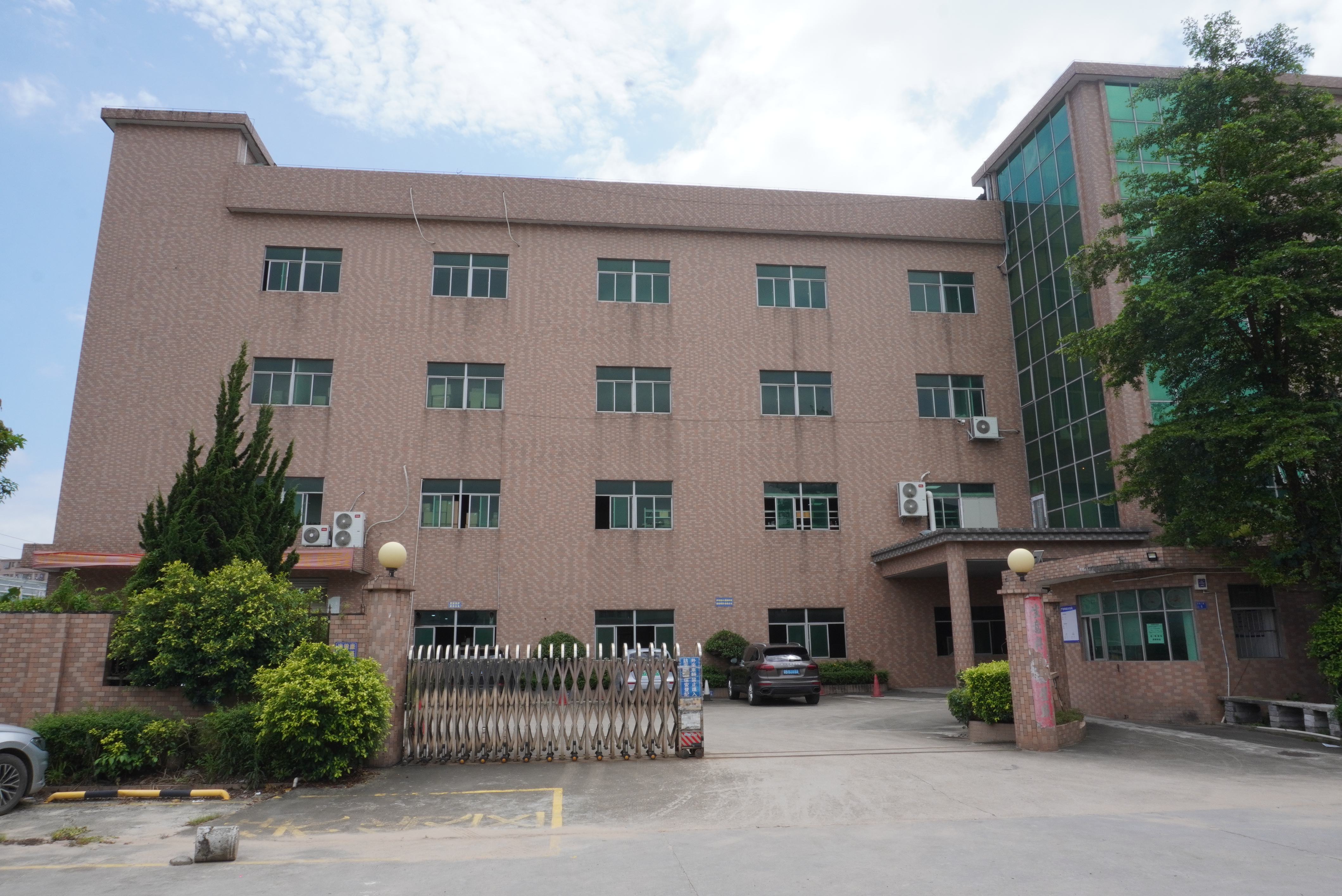
Dongguan Sanlixin Plastic Technology Co.,Ltd
Shenzhen Sanlixin Technology Co., Ltd. and Dongguan Sanlixin Plastic Technology Co., Ltd. is a manufacturer integrating precision plastic mold design, mold opening, single (double) color injection molding, IML injection molding processing, producing various single (double) color, IML process high-end appearance decorative structural parts, two-color buttons, USB dust plugs, panels and other plastic products, providing customers with fast, excellent, Midea all-round service, the company has 15 years of experience in precision plastic mold design, processing and production, with a variety of advanced machine injection molding equipment with excellent quality and fast service to win the trust and strong support of our customers.
Understanding the Key Differences Between HDPE, LDPE and LLDPE
Polyphthalamide (PPA): Material Advantages and Disadvantages