Overmolding: A Comprehensive Guide
What is Overmolding?
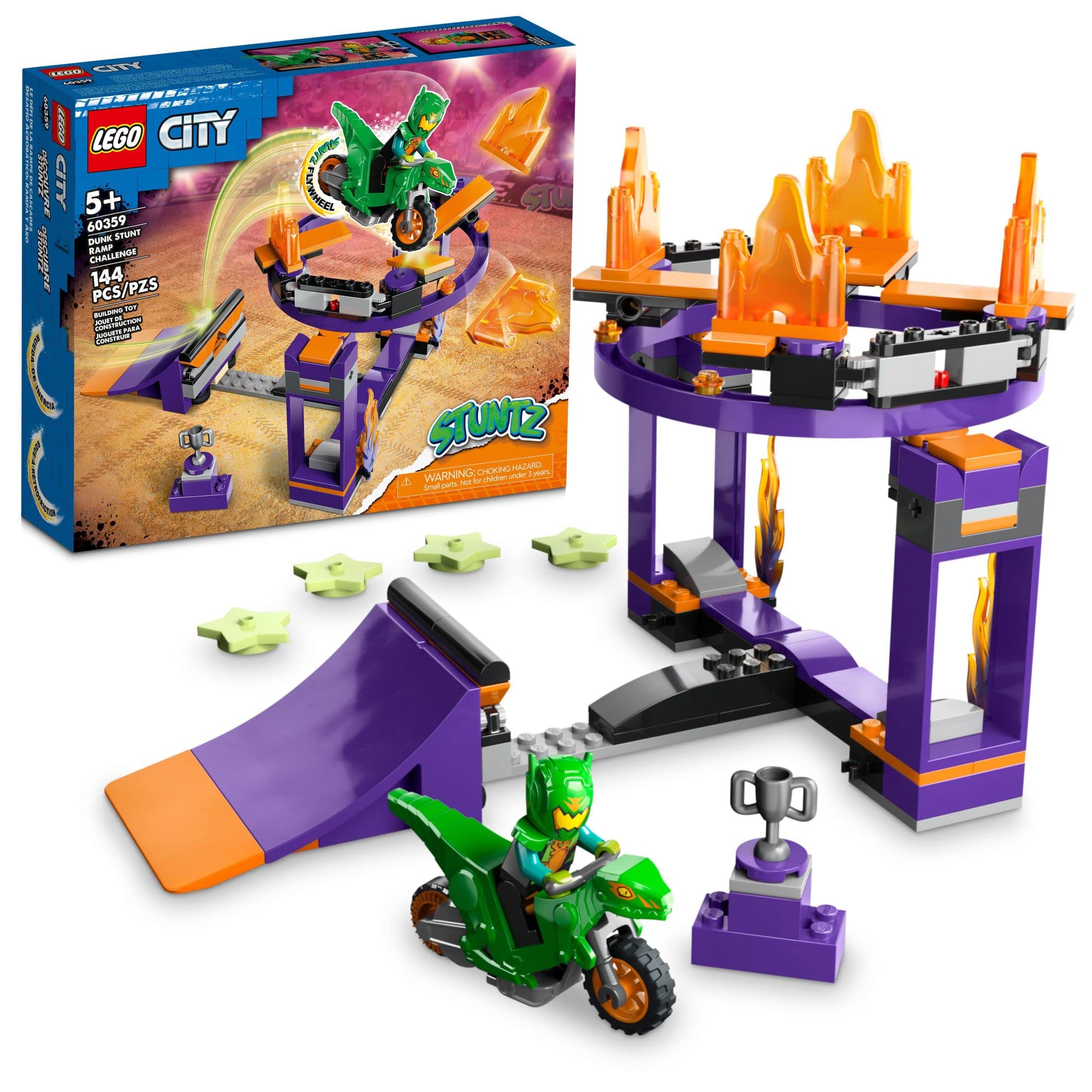
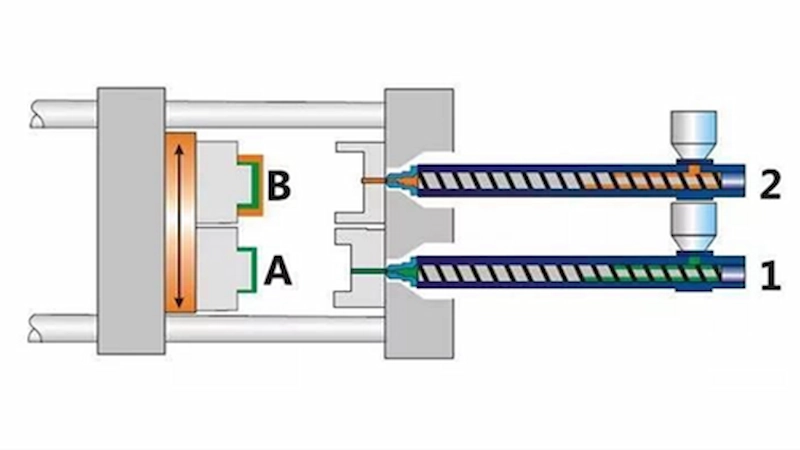
Overmolding is a multi-step injection molding process that involves applying a second layer of material onto a previously molded part. The second layer is typically softer or more flexible, often made of thermoplastic elastomers (TPE), silicone, or rubber, but can also be a variety of materials depending on the desired characteristics of the final product.
How Does Overmolding Work?
The process begins with injecting a rigid base material, such as ABS (Acrylonitrile Butadiene Styrene), polypropylene, or polycarbonate, into a mold. Once the base material cools and solidifies, a second material is injected over or around it. This second material may bond with the base material due to chemical or mechanical adhesion, forming a single bonded part. The final product often combines functionality, aesthetics, and ergonomics that are difficult to achieve with traditional molding techniques.
How does overmolding work?
Overmolding process?
Choosing the Right Overmolding Materials
Selecting the appropriate overmolding materials is key to manufacturing high-quality, durable products. Whether you're developing consumer goods, designing medical devices, or creating hand tools, the materials chosen play a crucial role in the final product's performance, durability, and overall user experience.
Material Compatibility: Ensuring Strong Bonds
The most critical factor in selecting overmolding materials is compatibility—specifically, how well the two materials bond. Without a strong bond between the materials, the overmolding process can fail, leading to weak spots, poor durability, or product failure.
Performance and Functional Requirements
The choice of materials also depends on the specific functional needs of the product. What is the product intended to do? Does it need to withstand high temperatures, resist chemicals, or provide enhanced grip? Understanding the performance requirements will help you select materials that meet these needs.
Base Material Considerations
The base material or substrate is just as important as the overmolding material. The first material could be a rigid plastic like ABS, polycarbonate, or polypropylene, which needs to be compatible with the injected material to ensure a strong and reliable bond.
Moldability and Processing Requirements
Different materials have different processing requirements, which can affect the molding process and costs. Some materials are easier to inject and mold than others, and understanding how these materials behave in the mold is crucial for achieving successful results.
Cost Considerations: Balancing Quality and Budget
While material selection impacts the total cost, high-performance materials like silicone rubber or TPE may have higher upfront costs but can reduce overall costs in the long run by eliminating the need for secondary finishing operations or additional steps.
Advantages of Overmolding
Overmolding offers significant advantages across the entire production ecosystem. The solutions it addresses make it more advantageous than other available methods. Its benefits include:
Durability and Protection
When a product is overmolded, its performance is significantly enhanced. Overmolding adds a layer of protection to the underlying精密 components, shielding them from harsh weather, extreme impacts, and moisture, thereby extending the product's lifespan.
Reduced Material Waste
Overmolding works tirelessly to ensure no material is wasted, especially raw materials. Hand tools are a testament to the role overmolding plays in reducing waste.
Enhanced Functionality
The use of multiple unique materials in the overmolding process ultimately enhances grip, provides insulation, and mitigates adverse effects experienced during use.
Improved Aesthetics
To a large extent, overmolding can improve a product's texture, feel, and even appearance. The attractive look of patient monitors in hospitals is a secret of overmolding.
Creating Waterproof Seals in Electronics
Due to its ability to blend well with other materials, overmolding seals openings that could allow liquids to enter electronic devices, causing damage.
Disadvantages of Overmolding
Despite its many advantages, overmolding has some drawbacks:
Complex Tooling
Creating molding tools for overmolding can be more complex than standard injection molding due to the need for specialized equipment capable of handling different materials. The molding process may also require fine-tuning to ensure proper material flow and bonding.
Material Selection Complexity
While there are many materials to choose from, not all bond well together. Incorrect material selection can lead to poor adhesion and potential part failure.
Production Costs
Although overmolding can reduce part counts and assembly costs, the initial costs for tooling, material selection, and specialized equipment can be high, especially for low-volume production.
High Initial Costs
The initial cost of purchasing overmolding tools can be very high, hindering acquisition and use.
Material Compatibility Issues
Many materials are incompatible, leaving only a small subset suitable for overmolding. This affects bonding and significantly reduces the product's appearance.
Long Production Cycles
Overmolding involves two steps, increasing the time required to obtain finished products. Compared to single-shot injection molding, overmolding takes less time, which is why many prefer it.
Design Complexity and Engineering Expertise
Overmolding requires careful attention to mold design, angles, and usage. Detailed engineering expertise is necessary to ensure compatibility, ease of bonding, and good mold design, requiring significant resources and time.
Design Considerations for Overmolding
Successful overmolding requires careful design considerations, including:
Material Selection
Carefully consider the base and overmolding materials, as this will determine success or failure. Ensure compatibility between materials.
Surface Preparation
Ensure the surface to be overmolded is well-prepared. This ensures a seamless overmolding process. Primers and substrate texturing are useful for consistent preparation, enhancing the bonding process.
Geometry and Engineering Tolerances
When designing for overmolding, consider draft angles and engineering techniques to streamline the process.
Best Practices for Overmolding
When embarking on an overmolding project, consider the following design factors:
Material Compatibility
Ensure the two materials used for overmolding are compatible. Mismatched material properties can lead to poor bonding and failure during use.
Part Geometry
The product's geometry should facilitate an efficient molding process. Ensure the design allows both materials to flow smoothly within the mold cavity and bond securely.
Mold Design
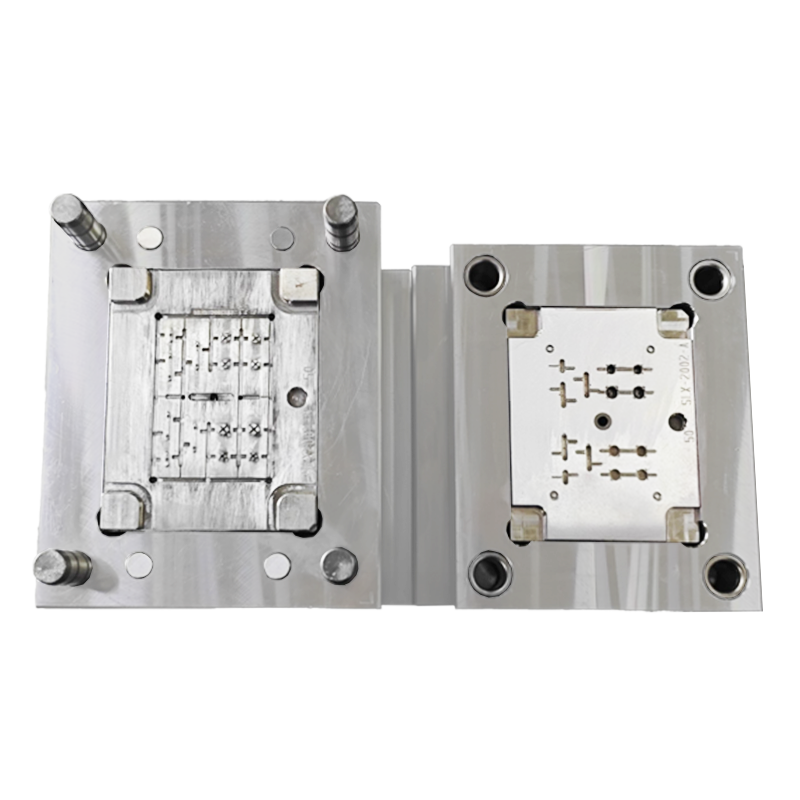
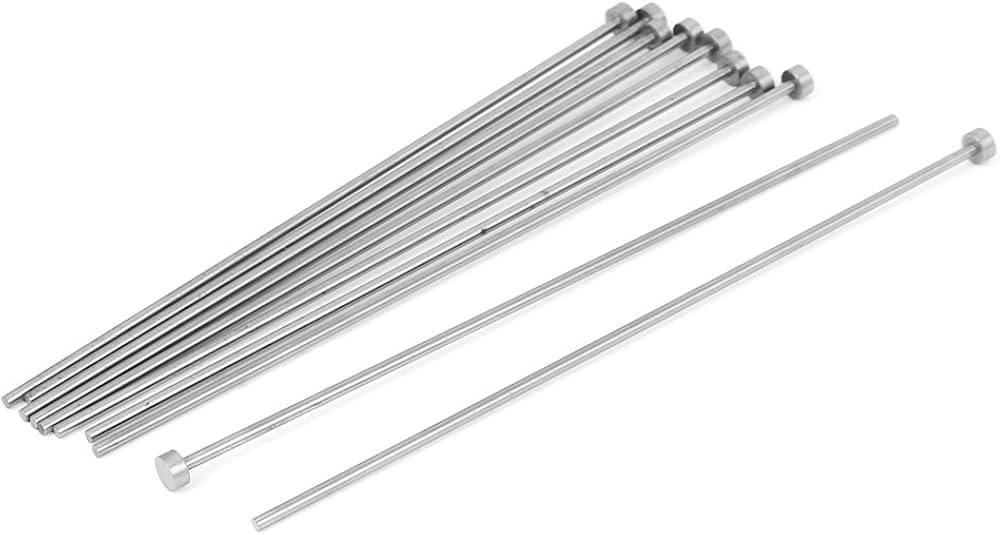
Overmolding requires precise mold design to ensure even material distribution and proper bonding. Overmolding tools need to accommodate both materials and allow easy ejection of the final product.
Tolerances
Design tolerances need careful consideration, especially when combining rigid substrates with softer overmolding materials. Proper fit is crucial for the part's functionality and durability.
Conclusion
Overmolding is a versatile and valuable manufacturing process that combines multiple materials to create products with enhanced functionality, durability, and aesthetics. Whether you're designing consumer goods, power tools, or medical devices, overmolding can help you achieve superior performance and user experience.
By selecting the right overmolding materials, ensuring proper mold design, and following best practices in material selection, you can optimize the injection molding process and create products with significant advantages in both form and function.
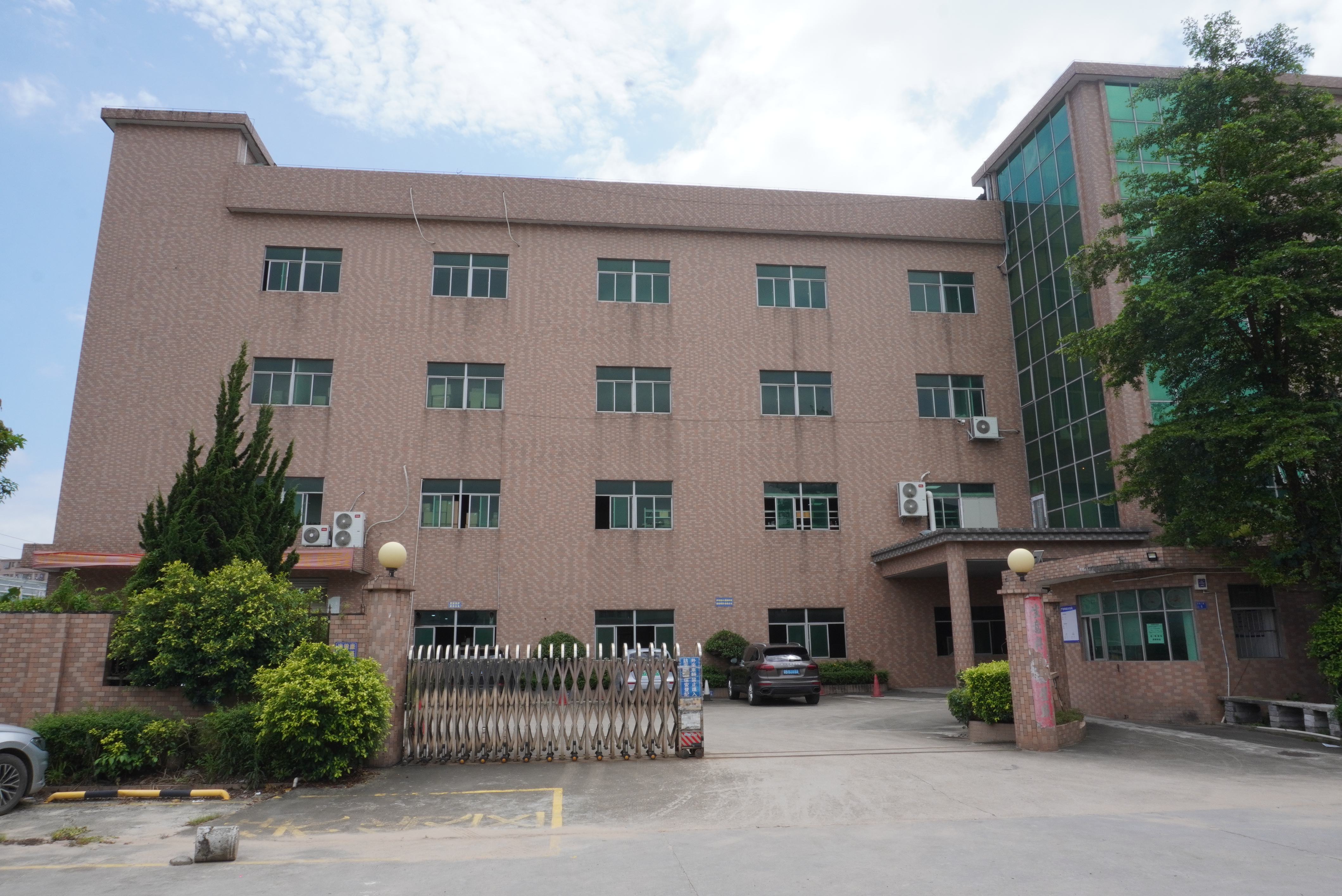
Dongguan Sanlixin Plastic Technology Co.,Ltd
Shenzhen Sanlixin Technology Co., Ltd. and Dongguan Sanlixin Plastic Technology Co., Ltd. is a manufacturer integrating precision plastic mold design, mold opening, single (double) color injection molding, IML injection molding processing, producing various single (double) color, IML process high-end appearance decorative structural parts, two-color buttons, USB dust plugs, panels and other plastic products, providing customers with fast, excellent, Midea all-round service, the company has 15 years of experience in precision plastic mold design, processing and production, with a variety of advanced machine injection molding equipment with excellent quality and fast service to win the trust and strong support of our customers.
Application and advantages of aluminum in automotive parts
Injection Molding: A Comprehensive Guide to Single Cavity vs. Multi-Cavity Molds