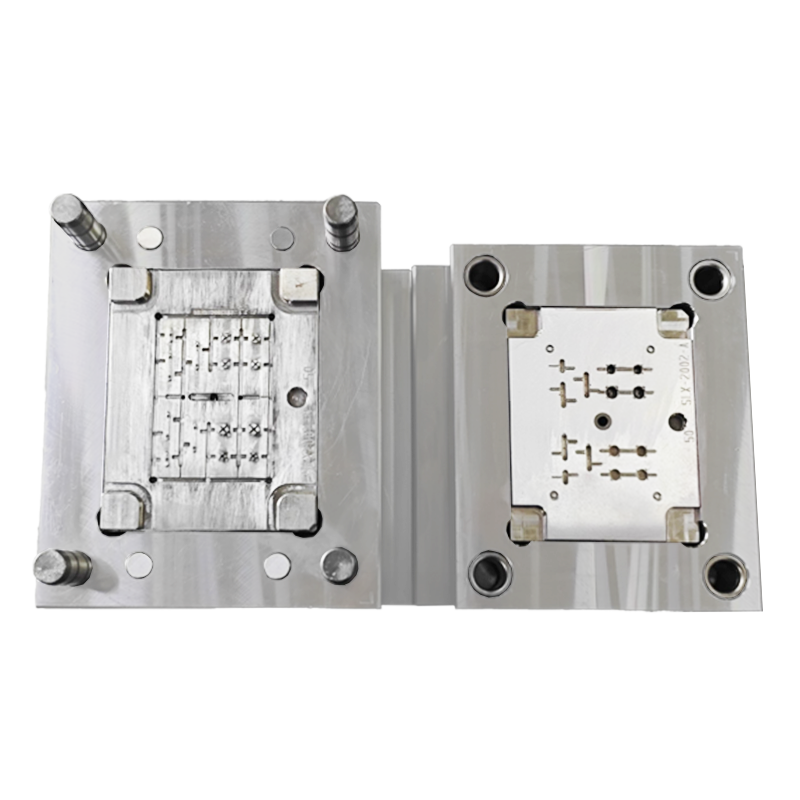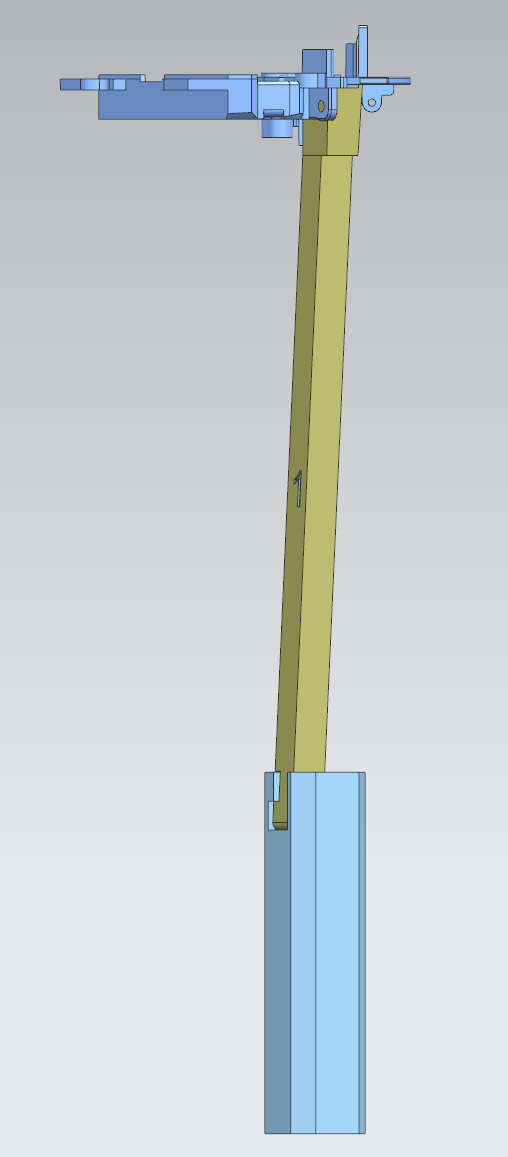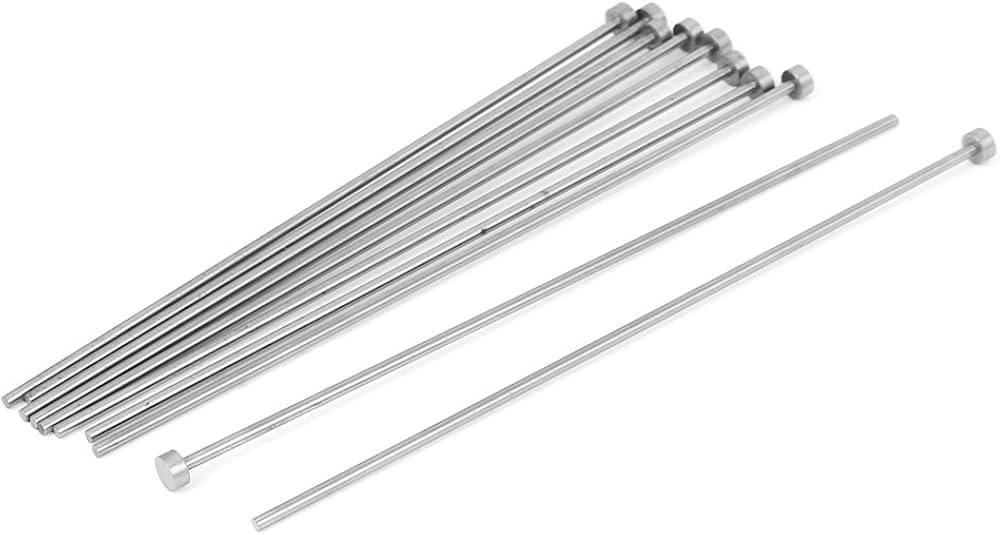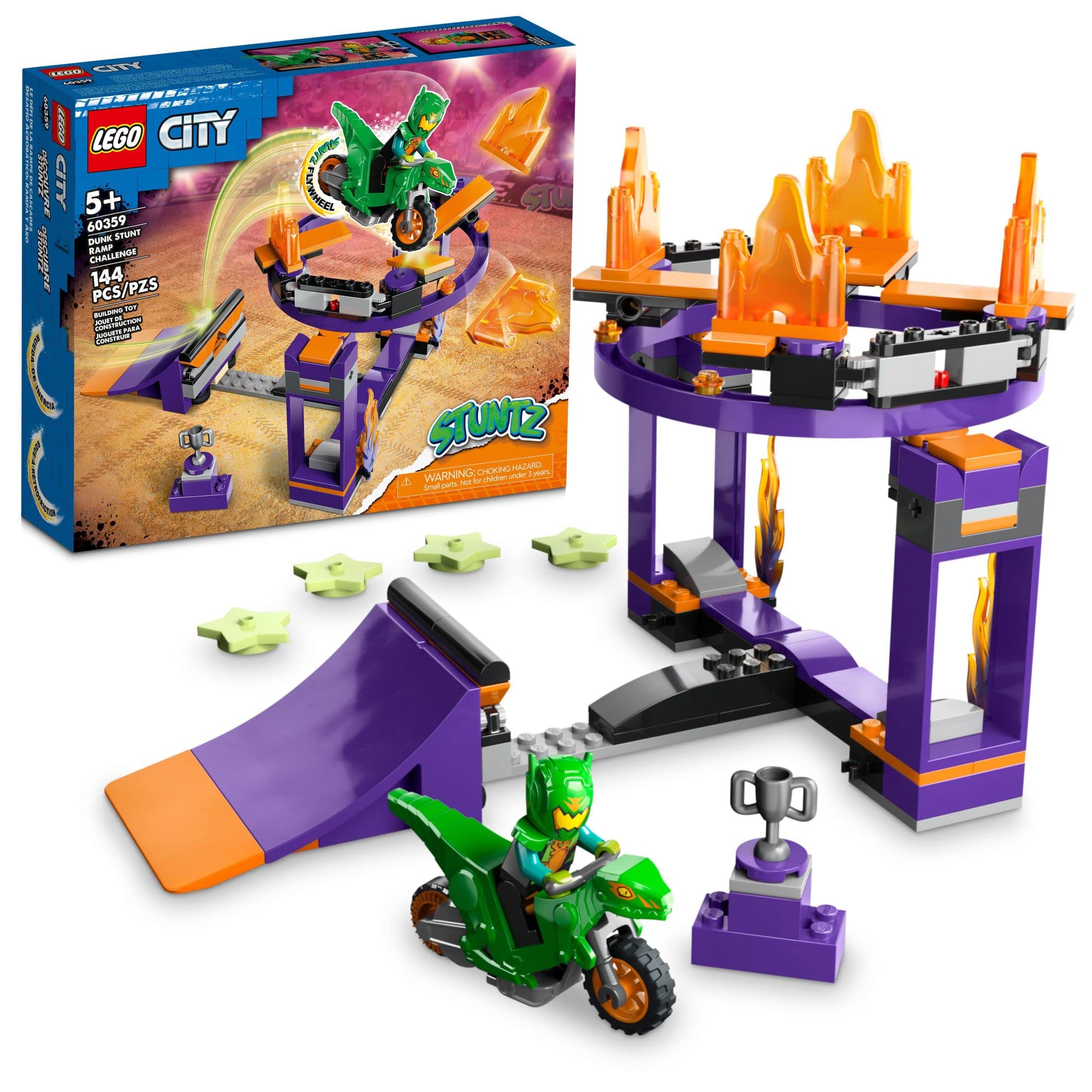
Overmolding and Insert Molding
What is Insert Molding?
One of the most common applications for insert molding is the creation of metal attachment features for fasteners. Fasteners enable assemblies to be securely assembled and disassembled without product damage. Heat-set threaded inserts are molded into plastic to reduce the risks of thread damage during installation.
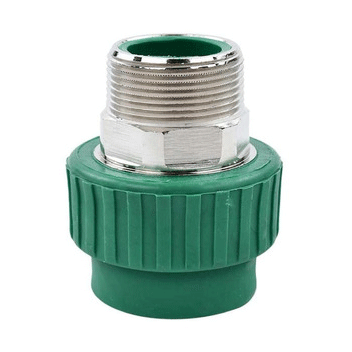
Insert molding has the following advantage
Improve strength and durability
Simplify assembly
Reduce the number of parts, assembly steps and material waste, and reduce overall production costs.
Inserts are fixed during the molding process, reducing the need for subsequent processing.
Material optimization
Summary: Insert molding has significant advantages in improving product performance, simplifying production, and reducing costs, and is widely used in many industries.
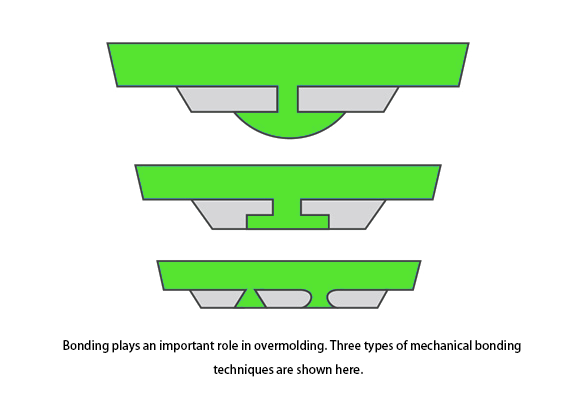
What is Overmolding?
Overmolding is an injection molding process that allows an additional layer of resin to be added to an existing molded part to provide a combination of characteristics that no single material can provide. One of the most common applications is to add a soft, functional, hand-friendly layer of rubber-like material Another is to change or enhance the appearance or “cosmetics” of a part by overmolding material of a different color or finish to it.
As a manufacturing process, overmolding can provide excellent adhesion between different materials and eliminate the need to assemble materials by hand. Because the process can be automated to varying degrees it can be quite cost-effective. And, by reducing the complexity of assembly, it can help reduce costs and accelerate products and devices to market. But most important, it can greatly enhance the range of material characteristics available to a product developer.
Why Use Overmolding and Insert Molding?
- It allows materials to be combined to provide characteristics that no single resin can deliver.
- It can eliminate assembly steps, saving both time and money.
- It can meld materials in a way that assembly processes cannot match.
- Inserts add strength and durability to parts.
Range of Applications
-
One of the most common is for comfort and grip. Soft elastomers are frequently molded over a hard substrate to create a safe, non-slip grip on a variety of hand-held items ranging from hand tools to devices.
-
Because the overmolded material is typically an elastomer, sealing, shock absorption, and vibration damping are also common applications.
-
Another common application is aesthetic; the substrate can have an indented pattern that is filled with the overmolded material in a contrasting color to create text, a logo, or other design.
-
Overmolding can change the characteristics of a part’s surface to give it different electrical, thermal, or other environmental qualities.
-
It can also be used to capture or encapsulate something within another material.
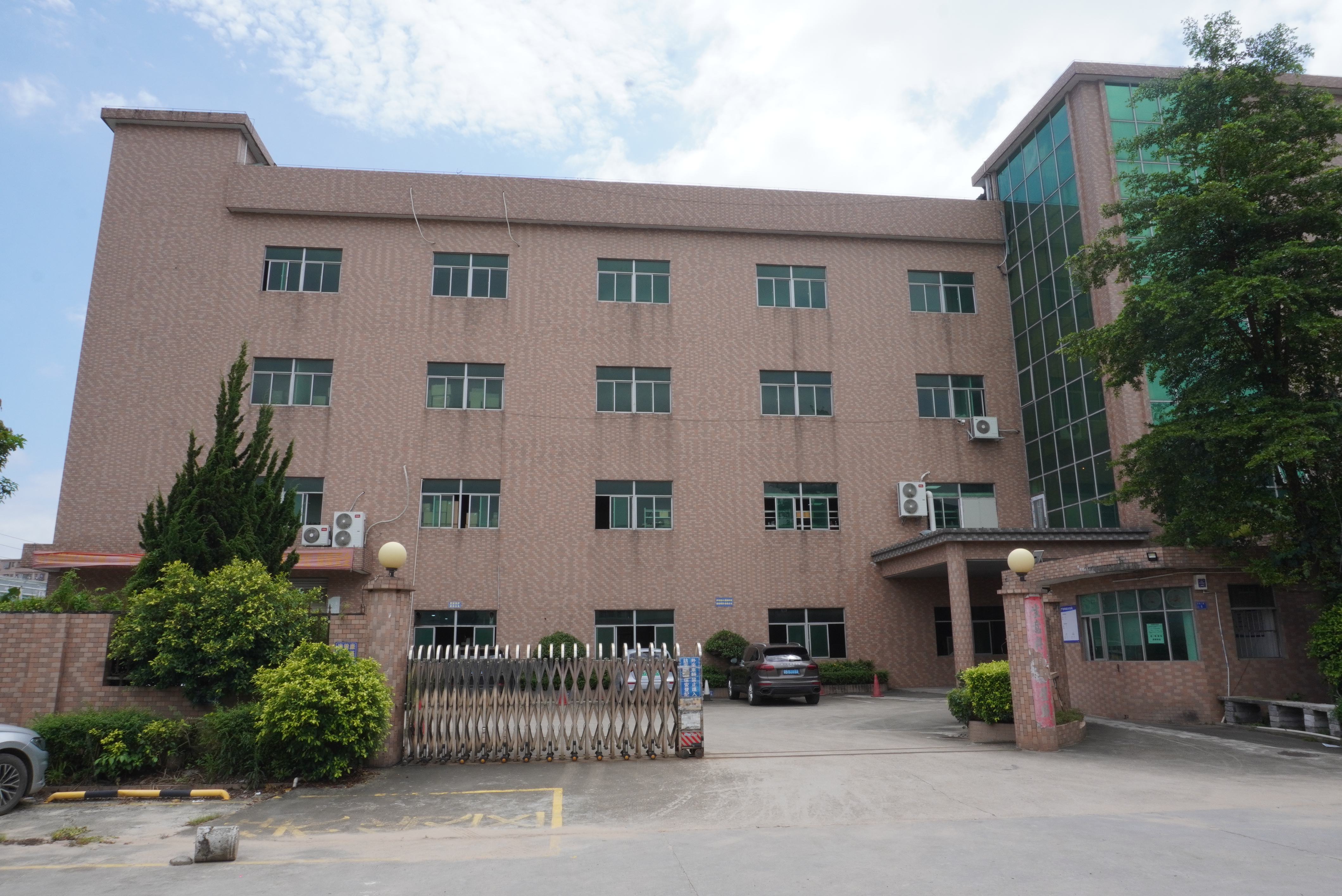
Dongguan Sanlixin Plastic Technology Co.,Ltd
Shenzhen Sanlixin Technology Co., Ltd. and Dongguan Sanlixin Plastic Technology Co., Ltd. is a manufacturer integrating precision plastic mold design, mold opening, single (double) color injection molding, IML injection molding processing, producing various single (double) color, IML process high-end appearance decorative structural parts, two-color buttons, USB dust plugs, panels and other plastic products, providing customers with fast, excellent, Midea all-round service, the company has 15 years of experience in precision plastic mold design, processing and production, with a variety of advanced machine injection molding equipment with excellent quality and fast service to win the trust and strong support of our customers.
The Advantages and Disadvantages of Injection Molding
Acrylonitrile Butadiene Styrene (ABS) for Plastic Injection Molding