OEM or ODM? How Should Enterprises Choose the Right OEM/ODM Model?
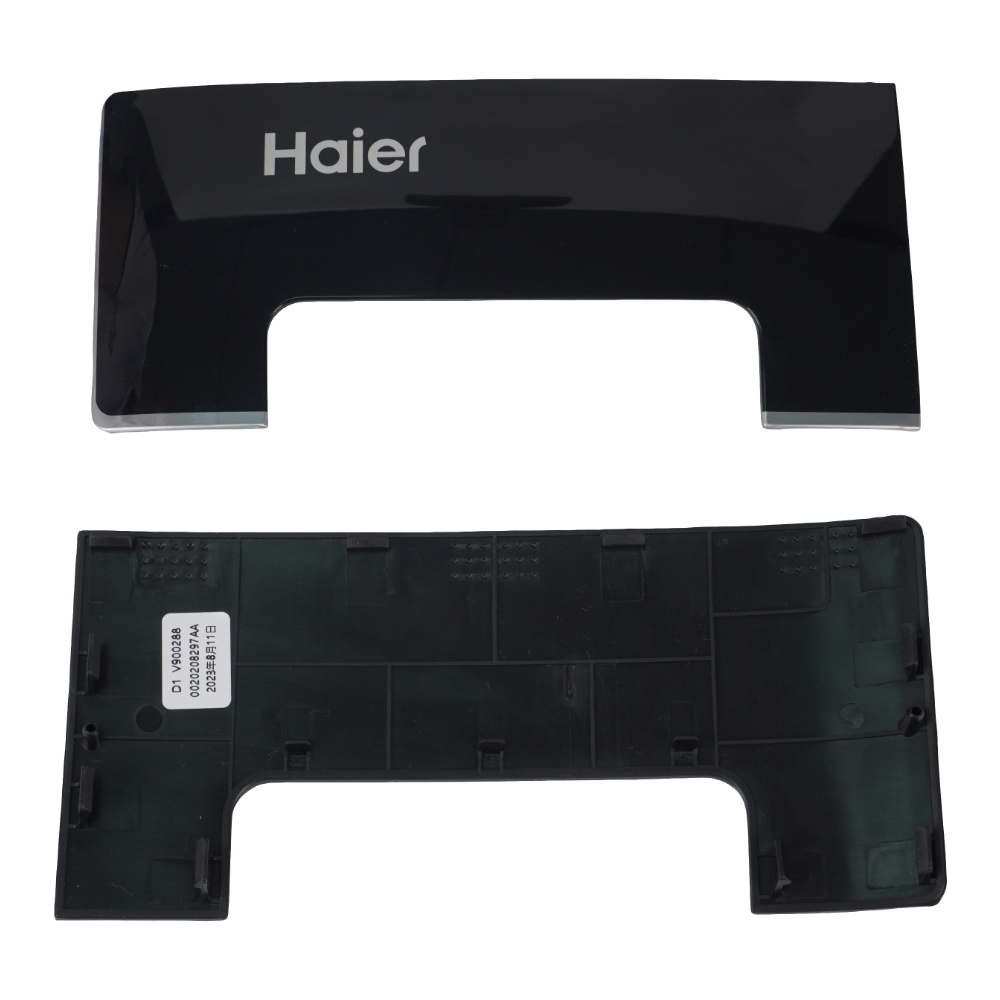
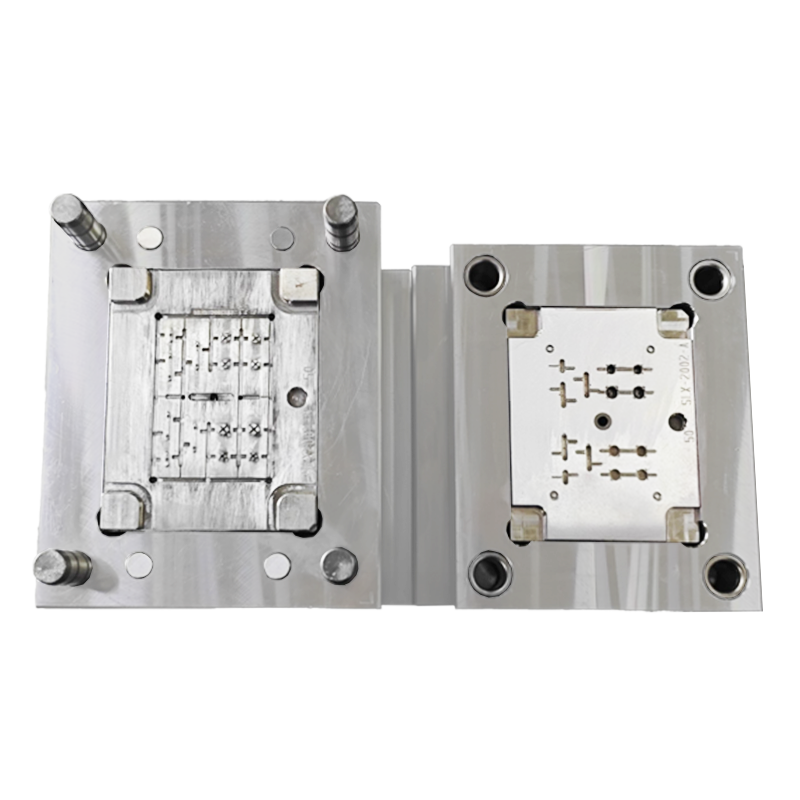
OEM Services: We produce goods strictly to your designs and specifications, handling manufacturing processes while you retain full control over product design and intellectual property.

Table of Contents
1. Introduction: The Critical Role of OEM/ODM in Modern Business Ecosystems
2. Demystifying OEM: Definition, Mechanism, and Core Characteristics
2.1 What Exactly Is OEM?
2.2 The End-to-End Operation Flow of OEM
- Product Design and Development by the Brand Owner:
- Supplier Selection and Qualification:
- Contract Negotiation and Agreement:
- Prototype and Pilot Production:
- Full-Scale Production:
- Logistics and Delivery:
- Post-Sales Support and Reordering:
2.3 Key Advantages of Adopting an OEM Model
- Reduced Capital Expenditure (CapEx):
- Focus on Core Competencies:
- Access to Specialized Manufacturing Expertise:
- Scalability and Flexibility:
- Global Cost Optimization:
- Faster Time-to-Market (TTM) for Established Designs:
2.4 Inherent Challenges and Risks of OEM
- Dependence on Supplier Performance:
- Intellectual Property (IP) Theft Risks:
- Limited Control Over Production Processes:
- Higher Costs for Small Production Runs:
- Communication and Cultural Barriers:
- Difficulty in Differentiating Products:
2.5 Typical Industry Scenarios for OEM Application
- Electronics and Consumer Tech:
-
- Apple partnering with Foxconn (an OEM) to assemble iPhones and iPads.
-
- Dell using OEMs in Taiwan and China to produce laptops and servers.
-
- Samsung contracting OEMs to manufacture budget smartphones (while producing high-end models in-house).
- Automotive and Auto Parts:
-
- Toyota using Bridgestone (an OEM) to supply tires for its vehicles.
-
- Volkswagen partnering with Bosch (an OEM) to produce fuel injection systems.
-
- Tesla contracting OEMs to manufacture interior components (e.g., seat frames) while keeping battery production in-house.
- Medical Devices:
-
- Medtronic using OEMs to assemble glucose monitors and insulin pumps.
-
- Johnson & Johnson partnering with OEMs to produce surgical instruments.
- Apparel and Footwear:
-
- Zara contracting OEMs in Bangladesh and Turkey to manufacture clothing.
-
- Nike using OEMs in Vietnam and Indonesia to produce sneakers (while designing the shoes in-house).
- Industrial Equipment:
-
- Caterpillar partnering with Cummins (an OEM) to supply engines for its excavators.
-
- John Deere using OEMs to produce sensors for precision farming equipment.
3. Unpacking ODM: Definition, Mechanism, and Core Characteristics
3.1 What Exactly Is ODM?
3.2 The End-to-End Operation Flow of ODM
- Brand Defines Product Requirements and Goals:
- ODM Supplier Proposes Design Options:
- Design Customization and Approval:
- IP Negotiation and Contract Signing:
- Pilot Production and Quality Testing:
- Full-Scale Production and Customization:
- Logistics, Delivery, and Post-Sales Support:
3.3 Key Advantages of Adopting an ODM Model
- Dramatically Reduced Time-to-Market (TTM):
- Lower R&D Costs:
- Access to Expert Design and Technical Knowledge:
- Reduced Risk of Design Failures:
- Flexibility for Small-to-Medium Production Runs:
- Simplified Supply Chain Management:
3.4 Inherent Challenges and Risks of ODM
- Intellectual Property (IP) Ownership Disputes:
- Limited Product Differentiation:
- Reduced Control Over Design and Quality:
- Dependence on the ODM’s Technical Capabilities:
- Higher Long-Term Costs for Exclusive Designs:
- Difficulty in Making Design Changes Post-Launch:
3.5 Typical Industry Scenarios for ODM Application
- Consumer Electronics (Smart Home, Wearables):
-
- A startup launching a smart thermostat partners with an ODM like Foxconn Interconnect Technology (FIT) to use a pre-existing design, customized with the startup’s logo and app integration.
-
- A small electronics brand uses an ODM to produce wireless earbuds, with customizations like a unique color scheme and branded charging case.
- FMCG (Personal Care, Household Goods):
-
- A beauty brand partners with an ODM to produce a facial cleansing brush, using the ODM’s base design with custom branding and packaging.
-
- A home goods brand uses an ODM to launch a portable blender, leveraging the ODM’s expertise in motor design and safety compliance.
- Toys and Children’s Products:
-
- A toy company uses an ODM to produce a robotic dinosaur, customizing the ODM’s base design with unique sounds and colors.
-
- A children’s brand partners with an ODM to launch a tablet for kids, using the ODM’s pre-tested hardware with child-friendly software.
- Medical Devices (Low-to-Medium Complexity):
-
- A startup medical brand partners with an ODM to produce a portable ECG monitor, using the ODM’s FDA-approved base design with custom software.
-
- A regional medical supplier uses an ODM to produce disposable syringes, leveraging the ODM’s compliance with ISO 13485.
- Automotive Aftermarket Parts:
-
- An automotive aftermarket brand uses an ODM to produce a wireless car charger, customizing the ODM’s design to fit different dashboard sizes.
-
- A seat cover brand partners with an ODM to produce waterproof covers, using the ODM’s material expertise to ensure durability.
4. Core Differences Between OEM and ODM: A Side-by-Side Comparison
4.1 Design Responsibility and Intellectual Property (IP) Ownership
|
Dimension
|
OEM
|
ODM
|
|
Design Owner
|
The brand owner is fully responsible for product design and R&D. It provides detailed blueprints, BOMs, and technical specifications to the supplier.
|
The ODM supplier owns the base design (pre-existing or custom-developed) and leads R&D. The brand provides input on customization (e.g., color, logo) but does not own the core design unless it negotiates exclusive rights.
|
|
IP Ownership
|
The brand retains full IP ownership of the product (designs, patents, trademarks). The OEM supplier has no rights to the design and cannot use or share it without permission.
|
The ODM owns the base design IP by default. The brand may own IP for customizations (e.g., logos, packaging), but exclusive IP rights require additional negotiation and cost.
|
|
IP Risk
|
Risk of IP theft (supplier sharing design specs with competitors) but lower risk of duplicate products (since the brand owns the IP).
|
High risk of duplicate products (ODM can sell the same base design to multiple brands) unless the brand purchases exclusivity. IP disputes are more common due to shared ownership.
|
|
Design Control
|
The brand has complete control over all design decisions (materials, components, functionality). The OEM cannot modify the design without explicit approval.
|
The brand has limited control over the core design. It can request customizations but cannot change the base design (e.g., internal circuitry, hardware) without the ODM’s approval.
|
4.2 Cost Structure and Investment Requirements
|
Dimension
|
OEM
|
ODM
|
|
Upfront Costs (R&D/CapEx)
|
High upfront costs: The brand must invest in R&D, design, and testing (often \(100k–\)1M+ for complex products). No CapEx for manufacturing (supplier provides facilities).
|
Low upfront costs: The ODM covers R&D and design costs for the base product. The brand only pays for customizations (e.g., \(10k–\)50k for logo, color changes).
|
|
Per-Unit Cost
|
Lower per-unit costs for large production runs (10,000+ units) due to economies of scale. Higher per-unit costs for small batches (since the OEM charges a premium for low volumes).
|
Higher per-unit costs than OEM for large batches (ODM includes design fees in the price). Lower per-unit costs for small batches (500–5,000 units) due to lower MOQs.
|
|
Long-Term Costs
|
Lower long-term costs if production volumes remain high (no ongoing design fees). Risk of higher costs if the brand needs to update the design (requires new R&D investment).
|
Higher long-term costs if the brand wants exclusive IP (requires paying a premium to the ODM). Lower long-term costs for design updates (ODM can modify the base design at a lower cost).
|
|
Cost Predictability
|
More predictable costs: The brand knows exact BOM costs and production fees upfront. No surprises unless the brand requests design changes.
|
Less predictable costs: ODM may charge additional fees for customizations, exclusive IP, or regulatory compliance. Cost increases are common if the brand expands production.
|
4.3 Time-to-Market (TTM) for Products
|
Dimension
|
OEM
|
ODM
|
|
Pre-Production Timeline
|
Long pre-production time (6–18 months): The brand must complete R&D, design, and testing before the OEM can start production.
|
Short pre-production time (3–6 months): The ODM uses a pre-existing base design, so only customization and testing are required.
|
|
Production Timeline
|
Fast production once the design is approved (2–4 weeks for large batches). The OEM has optimized production lines for efficiency.
|
Slightly slower production than OEM (4–6 weeks for large batches). The ODM may need to adjust its production line for customizations.
|
|
Time to Launch
|
Total time to launch: 8–24 months (R&D + production). Best for brands with no urgent market deadlines.
|
Total time to launch: 4–10 months (customization + production). Ideal for brands capitalizing on trends or launching new products quickly.
|
|
Time to Update Products
|
Long time to update (3–6 months): The brand must rework the design, test prototypes, and re-qualify the OEM.
|
Short time to update (1–3 months): The ODM can modify the base design quickly (e.g., adding a new feature) without full R&D.
|
4.4 Flexibility and Customization Capabilities
|
Dimension
|
OEM
|
ODM
|
|
Customization Scope
|
Unlimited customization: The brand can modify any aspect of the design (materials, components, functionality) as long as it provides updated specs.
|
Limited customization: The brand can only modify surface-level features (color, logo, packaging). Core design elements (e.g., hardware, software) cannot be changed without the ODM’s approval.
|
|
Minimum Order Quantity (MOQ)
|
High MOQs (typically 10,000+ units) to justify the OEM’s production setup costs. Low MOQs are possible but expensive.
|
Low MOQs (typically 500–5,000 units) since the ODM already has a base design and production line in place.
|
|
Ability to Pivot
|
Difficult to pivot: Changing the design requires new R&D, prototypes, and OEM re-qualification. This is time-consuming and costly.
|
Easy to pivot: The brand can quickly switch to a new customization (e.g., a different color) or even a new base design from the ODM.
|
|
Adaptability to Market Changes
|
Slow to adapt: If market demand shifts (e.g., consumers want a new feature), the brand must invest in R&D to update the design.
|
Fast to adapt: The ODM can modify the base design to meet new market demands (e.g., adding a feature) in weeks.
|
4.5 Brand Control and Market Differentiation
|
Dimension
|
OEM
|
ODM
|
|
Brand Control
|
Full brand control: The brand defines the product’s unique value proposition (UVP), features, and quality. It can position the product as “premium” or “innovative” based on its design.
|
Limited brand control: The product’s UVP is tied to the ODM’s base design. The brand can only differentiate through marketing and surface-level customizations.
|
|
Market Differentiation
|
Strong differentiation: Since the brand owns the unique design, there are no identical products from competitors (unless IP is stolen). Ideal for brands competing on innovation.
|
Weak differentiation: The ODM can sell the same base design to multiple brands, leading to “me-too” products. Harder to stand out in crowded markets.
|
|
Brand Reputation Risk
|
Lower reputation risk: The brand controls quality through detailed specs and QC. If defects occur, the brand can hold the OEM accountable.
|
Higher reputation risk: The ODM controls the core design and quality. If the base design has flaws, multiple brands (using the same ODM) may face recalls—damaging the brand’s reputation.
|
|
Customer Loyalty
|
Higher customer loyalty: Unique products create stronger brand affinity. Customers associate the product’s quality and features with the brand.
|
Lower customer loyalty: Homogenized products make it easier for customers to switch to competitors offering similar products at lower prices.
|
4.6 Supply Chain Dependence and Risk Management
|
Dimension
|
OEM
|
ODM
|
|
Supplier Dependence
|
High dependence on the OEM’s production capacity. If the OEM faces delays (e.g., labor shortages), the brand’s supply chain is disrupted.
|
Very high dependence on the ODM’s design and production capabilities. If the ODM stops supporting the base design, the brand must find a new supplier or invest in R&D.
|
|
Quality Control (QC)
|
Brand-led QC: The brand provides detailed quality standards and conducts regular inspections of the OEM’s facility. The brand is responsible for ensuring compliance.
|
ODM-led QC: The ODM is primarily responsible for quality, as it designed the product. The brand may conduct audits, but has less visibility into production processes.
|
|
Regulatory Compliance
|
Brand-led compliance: The brand ensures the design meets regulatory standards (e.g., FDA, RoHS). The OEM only follows the brand’s specs.
|
ODM-led compliance: The ODM ensures the base design meets regulations. The brand must verify that customizations do not violate standards.
|
|
Supply Chain Risk
|
Risk of production delays or IP theft. Mitigated by auditing OEMs and signing strict IP contracts.
|
Risk of duplicate products, IP disputes, or ODM quality failures. Mitigated by negotiating exclusive IP rights and conducting thorough supplier vetting.
|
5. Key Factors Enterprises Must Consider When Choosing OEM/ODM
5.1 Internal Resource Assessment: R&D Capabilities and Technical Teams
- Do we have an in-house team of engineers, designers, and product developers?
- Can we afford to invest in R&D (e.g., salaries, equipment, testing) for a new product?
- Do we have the expertise to design a product that meets industry standards and customer needs?
5.2 Product Complexity, Innovation Goals, and Technological Barriers
- Is your product simple (e.g., a basic water bottle) or complex (e.g., a medical imaging device)?
- Do you want to launch an “innovative” product (unique features, patents) or a “commoditized” product (affordable, standard features)?
- Are there high technological barriers to entry (e.g., specialized software, advanced materials) in your industry?
5.3 Market Positioning: Mass Market vs. Niche Market
- Do we target price-sensitive consumers (mass market) or consumers willing to pay for uniqueness (niche market)?
- Is our market crowded with competitors, or is there a gap for a unique product?
5.4 Cost Budget and Profit Margin Expectations
- What is our total budget for product development and production?
- What profit margin do we need to achieve (e.g., 20% vs. 50%)?
- Can we afford large upfront investments, or do we need to minimize initial costs?
5.5 Time-to-Market Pressure and Product Lifecycle Stage
- Is there a time-sensitive opportunity (e.g., a holiday season, a new trend) we need to capitalize on?
- Are we launching a new product (introduction stage) or updating an existing one (growth/maturity stage)?
- Introduction: ODM for speed, OEM for innovation.
- Growth: OEM (scale up production to meet demand, leverage lower per-unit costs).
- Maturity: ODM (update the product quickly with minor customizations to extend its lifecycle).
- Decline: ODM (low-cost updates to maintain sales until the product is phased out).
5.6 Brand Strength and Customer Loyalty
- Do consumers recognize our brand and associate it with quality/innovation?
- Do we have a loyal customer base that will choose our product over competitors?
5.7 Supply Chain Control Needs and Risk Tolerance
- Do we need to oversee every step of production (e.g., for regulatory compliance)?
- Can we tolerate risks like IP theft, product delays, or quality issues?
- Low risk tolerance: OEM (more control over quality, IP, and compliance).
- High risk tolerance: ODM (faster time to market, lower upfront costs—worth the risk of IP disputes or homogenization).
6. Industry-Specific OEM/ODM Selection Guidelines
6.1 Electronics and Consumer Tech Industry
- You are a mature brand with strong R&D capabilities (e.g., Apple, Samsung).
- You are launching a flagship product with unique features (e.g., a smartphone with a new camera technology).
- IP protection is critical (you have patents for hardware/software).
- You need large production volumes (100,000+ units) to achieve economies of scale.
- You are a startup or SME with limited R&D resources (e.g., a new smart home brand).
- You are launching a budget or niche product (e.g., a smart bulb, a portable speaker).
- Speed to market is critical (you want to capitalize on a trend, like smart thermostats during winter).
- You have small production volumes (1,000–10,000 units).
- You have a small R&D team and want to balance innovation with speed. For example, a mid-size electronics brand works with an ODM to develop a base smartwatch design, then uses its in-house team to add a unique health-tracking feature.
6.2 Automotive and Auto Parts Industry
- You are an automaker producing core components (e.g., engines, chassis) or high-safety parts (e.g., airbags).
- You need full control over design to meet safety and performance standards.
- You have large production volumes (10,000+ units per year).
- You are an aftermarket brand producing non-core parts (e.g., car chargers, seat covers, floor mats).
- You are a startup in the electric vehicle (EV) space, focusing on accessories (e.g., EV charging cables).
- You need to launch a product quickly to meet aftermarket demand.
- You are a Tier 1 supplier producing semi-complex parts (e.g., infotainment systems). For example, a supplier works with an ODM to develop the hardware for an infotainment system, then uses its in-house team to integrate the software with the automaker’s vehicle.
6.3 Medical Device Industry
- You are launching a complex, high-risk device (e.g., pacemakers, MRI machines) that requires extensive testing and regulatory approval.
- You have patents for proprietary technology (e.g., a new surgical tool).
- You need full control over production to meet FDA/CE standards.
- You are launching a low-risk, simple device (e.g., thermometers, blood pressure monitors, disposable syringes).
- You are a small medical brand with limited resources to navigate regulatory compliance.
- The device has a standard design (no unique features) that meets regulatory standards.
6.4 Apparel, Footwear, and Textile Industry
- You are a luxury brand producing high-quality, unique designs (e.g., designer dresses, premium leather goods).
- You have proprietary materials or manufacturing techniques (e.g., a brand using sustainable fabrics).
- You need full control over fit, quality, and craftsmanship.
- You are a fast-fashion brand (e.g., Zara, H&M) producing trendy, low-cost clothing.
- You need to launch new styles quickly to keep up with trends (e.g., summer dresses, holiday sweaters).
- You have small-to-medium production volumes for niche styles.
- You are a mid-size brand balancing uniqueness with speed. For example, a sportswear brand uses an ODM to produce the base design of a running jacket, then uses its in-house team to add a proprietary moisture-wicking fabric.
6.5 FMCG (Fast-Moving Consumer Goods) Industry
- You are a large FMCG brand (e.g., Procter & Gamble, Unilever) producing core products (e.g., shampoo, laundry detergent) with high volumes.
- You have proprietary formulas or packaging designs.
- You need to scale production to meet global demand.
- You are a small FMCG brand launching a niche product (e.g., organic skincare, eco-friendly cleaning products).
- You have limited resources to develop formulas or packaging.
- You want to test a new product before scaling (e.g., a limited-edition candle).
6.6 Toy and Children’s Products Industry
- You are a large toy brand (e.g., Lego, Mattel) producing iconic, patented products (e.g., Lego bricks, Barbie dolls).
- You have unique designs or manufacturing techniques (e.g., interactive toys with proprietary software).
- You need to ensure strict safety compliance (e.g., non-toxic materials, no small parts).
- You are a small toy brand producing trendy, low-cost toys (e.g., fidget toys, stuffed animals).
- You need to launch a product quickly to capitalize on a trend (e.g., a viral toy during the holiday season).
- The toy has a simple design with no unique features.
7. Real-World Case Studies: Successful OEM/ODM Implementations
7.1 Case Study 1: A Global Smartphone Brand’s OEM Strategy for Cost Optimization
- XYZ Tech’s in-house manufacturing facilities were focused on flagship phones, with high production costs that made mid-range phones unprofitable.
- The brand needed to reduce per-unit costs while maintaining quality to compete in the mid-range market.
- It had strong R&D capabilities (able to design mid-range phones in-house) but lacked affordable manufacturing capacity.
- Cost Savings: OEMs in Southeast Asia had lower labor and material costs, reducing per-unit production costs by 30% compared to in-house manufacturing.
- Scalability: The OEMs could handle large volumes (5 million units per quarter) to meet global demand.
- Quality Control: XYZ Tech retained design control, providing detailed specs for materials (e.g., Gorilla Glass, Qualcomm processors) and quality standards (e.g., 1% defect rate tolerance).
- Design Phase: XYZ Tech’s R&D team spent 6 months designing the mid-range phone, focusing on key features (e.g., 6.5-inch display, 5,000mAh battery) at an affordable price.
- Supplier Selection: X

Dongguan Sanlixin Plastic Technology Co.,Ltd
Shenzhen Sanlixin Technology Co., Ltd. and Dongguan Sanlixin Plastic Technology Co., Ltd. is a manufacturer integrating precision plastic mold design, mold opening, single (double) color injection molding, IML injection molding processing, producing various single (double) color, IML process high-end appearance decorative structural parts, two-color buttons, USB dust plugs, panels and other plastic products, providing customers with fast, excellent, Midea all-round service, the company has 15 years of experience in precision plastic mold design, processing and production, with a variety of advanced machine injection molding equipment with excellent quality and fast service to win the trust and strong support of our customers.
Why Injection Molding Remains a Cornerstone of Mass Production
OEM vs. ODM: A Single Character Difference That Shapes a Brand’s Future