Enhancing Nylon's Wear Resistance: Key Additives and Their Applications
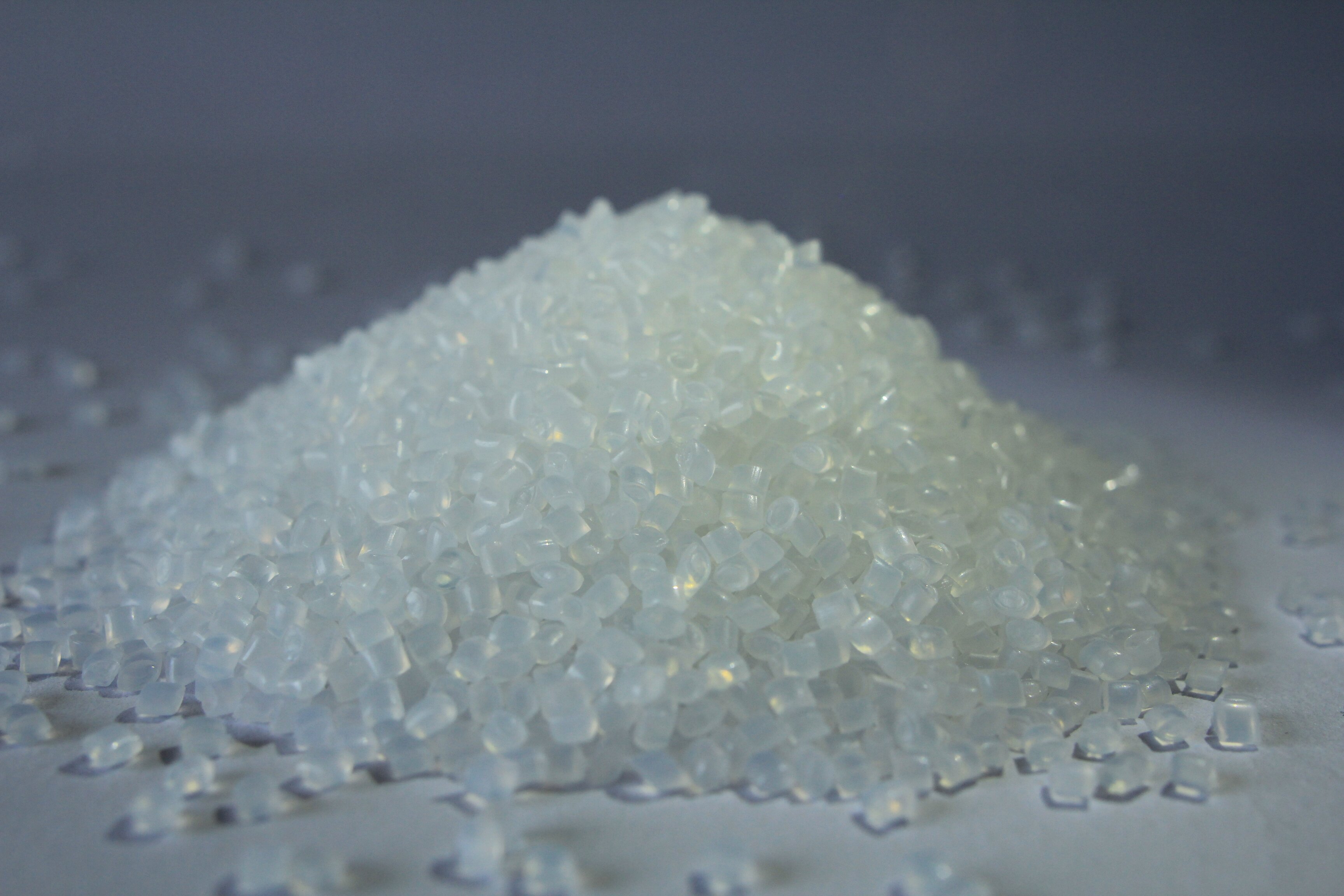
Nylon (polyamide) is widely used in mechanical applications requiring durability, but its inherent wear resistance can be significantly improved through additives. These enhancements are crucial for gears, bearings, bushings, and other moving parts subjected to friction and abrasion.
Primary Wear-Resistant Additives for Nylon
1. Solid Lubricants
Types:
- PTFE (Polytetrafluoroethylene): 5-20% addition reduces coefficient of friction by up to 80%
- Graphite: 5-15% improves dry running characteristics
- Molybdenum Disulfide (MoS₂): 2-5% enhances load-bearing capacity
2. Reinforcing Fibers
Types:
- Glass Fiber (15-40%): Improves abrasion resistance and load capacity
- Carbon Fiber (10-30%): Enhances wear resistance while reducing friction
- Aramid Fiber (5-15%): Provides excellent impact and wear resistance
3. Mineral Fillers
Types:
- Silica (5-15%): Improves surface hardness
- Talc (10-20%): Enhances lubricity and dimensional stability
- Calcium Carbonate (10-30%): Cost-effective wear improvement
4. Specialty Additives
Types:
- Silicone Oil (0.5-2%): Reduces friction coefficient
- Polyethylene Wax (1-3%): Improves surface slip
- Nanoparticles (SiO₂, TiO₂ - 1-5%): Enhances surface hardness
Additive Performance Comparison
| Additive Type | Wear Reduction | Friction Reduction | Impact on Mechanical Properties | Typical Loading |
|---|---|---|---|---|
| PTFE | 40-60% | 70-80% | ↓ Strength, ↑ Ductility | 10-15% |
| Glass Fiber | 50-70% | 10-20% | ↑ Strength, ↑ Stiffness | 25-35% |
| MoS₂ | 30-50% | 40-60% | ↓ Impact Strength | 3-5% |
| Carbon Fiber | 60-80% | 30-50% | ↑↑ Strength, ↑↑ Stiffness | 15-25% |
Selection Guidelines by Application
1. Sliding Applications (Bushings, Bearings):
- PTFE + MoS₂ combination (15% + 3%)
- Silicone oil for smooth motion
2. High-Load Gears:
- Glass fiber reinforcement (30-35%)
- PTFE addition (5-10%)
3. Dry Running Components:
- Graphite (10-15%) + Carbon fiber (15%)
4. Food-Grade Applications:
- Mineral-filled (talc or silica) with silicone
Processing Considerations
- Higher melt temperatures required for fiber-reinforced compounds (10-20°C above standard)
- Wear additives may increase viscosity - adjust injection parameters
- Moisture sensitivity increases with some additives - ensure proper drying
- Mold wear may accelerate with mineral-filled compounds
- Post-mold annealing can improve wear performance
Emerging Technologies
- Graphene additives: 0.5-2% loading for exceptional wear reduction
- Hybrid systems: Combining nanofillers with traditional additives
- Self-lubricating compounds: Microencapsulated lubricants
- Bio-based additives: Sustainable wear-reduction solutions
Conclusion
The selection of wear-resistant additives for nylon depends on specific application requirements, with options ranging from solid lubricants for friction reduction to reinforcing fibers for abrasion resistance. Modern compound formulations often combine multiple additive types to achieve optimal performance. As nylon applications become more demanding, advanced additive systems continue to evolve, offering improved wear characteristics while maintaining other critical material properties.
The Critical Role of Mold Temperature Control in Injection Molding Quality
Liquid Crystal Polymers (LCP) for Injection Molding: Benefits and Challenges